Economic cooperation can contribute to a political settlement only under the condition of full-fledged political and economic participation of Abkhazia as an equal subject
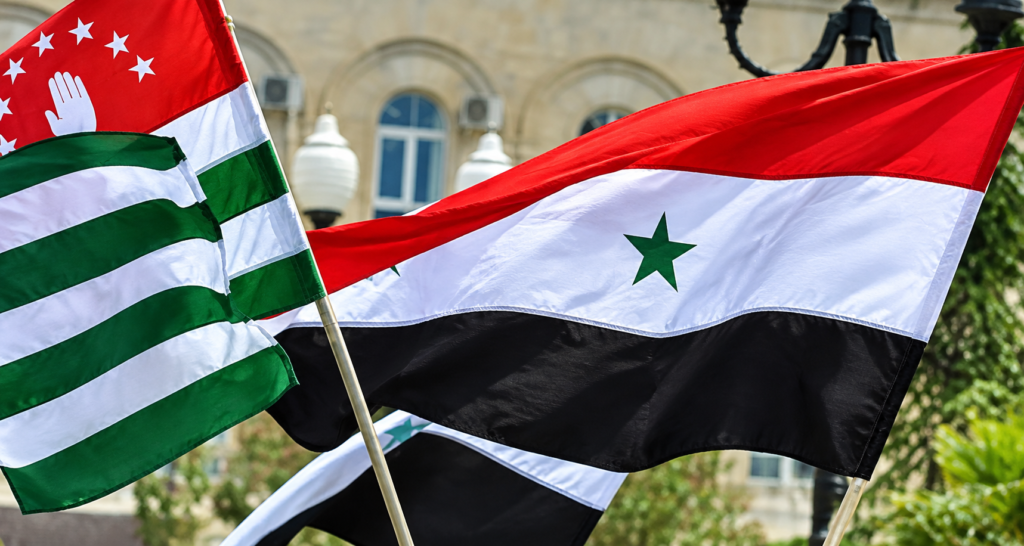
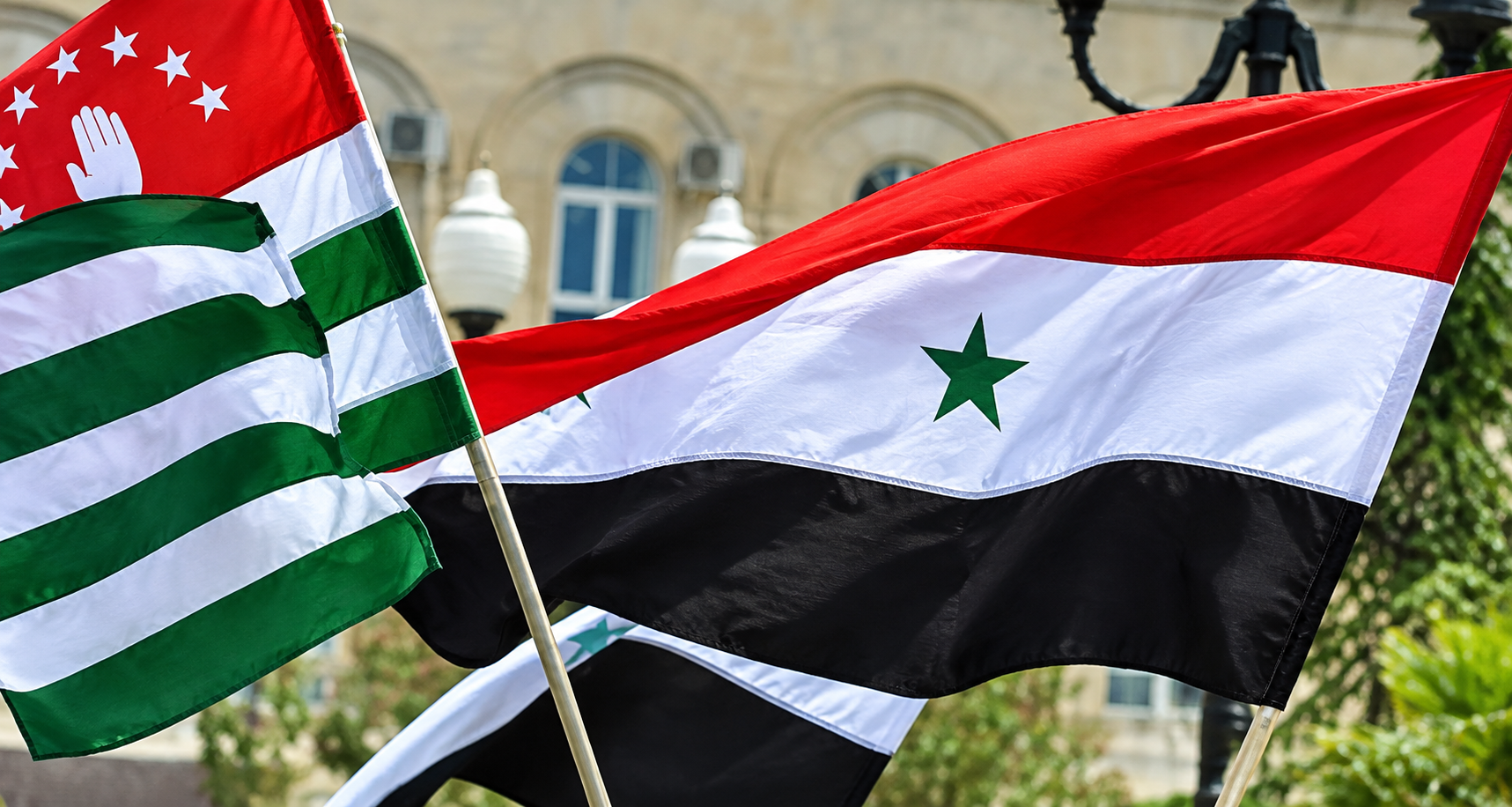
The descendants of the Muhajirs do not constitute a distinct political force. They are primarily engaged in economic activities. We should not view this group as either supporters of Assad or fighters against him.
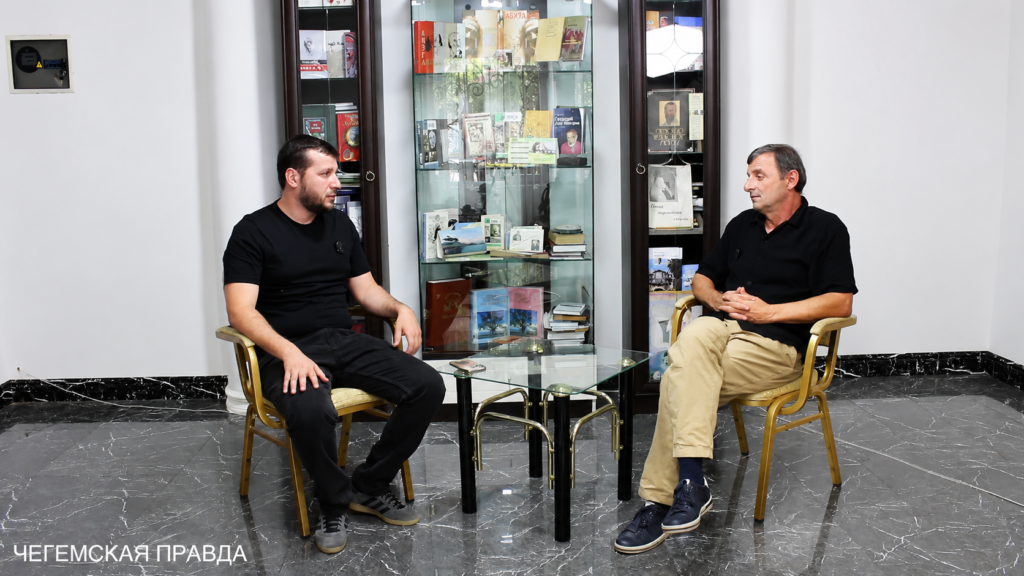
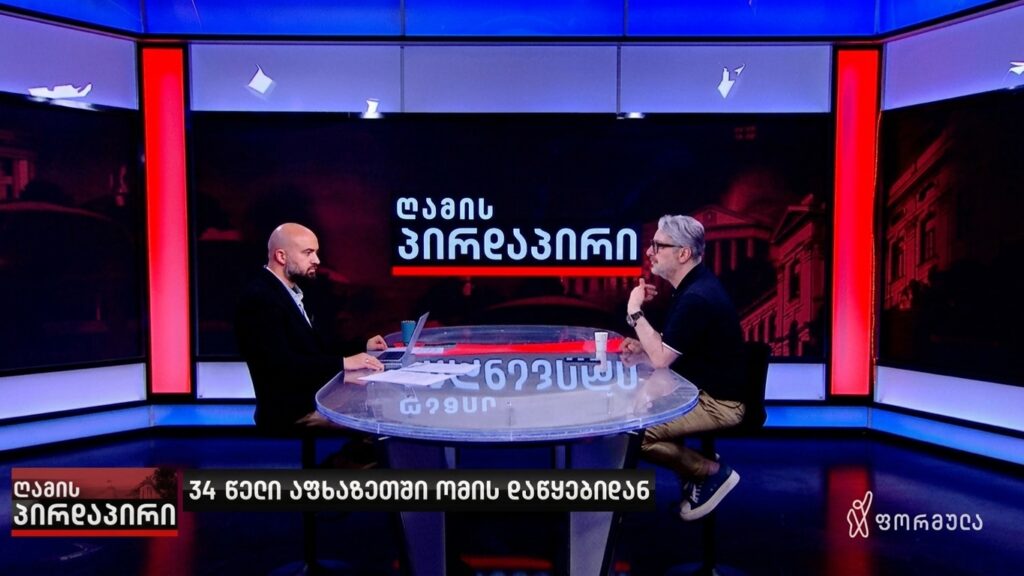
Astamur Tania: “Georgian opposition politician Nika Gvaramia’s statements on a peaceful solution to the conflict are part of domestic political struggle; the Abkhaz issue was raised only to stir emotions”
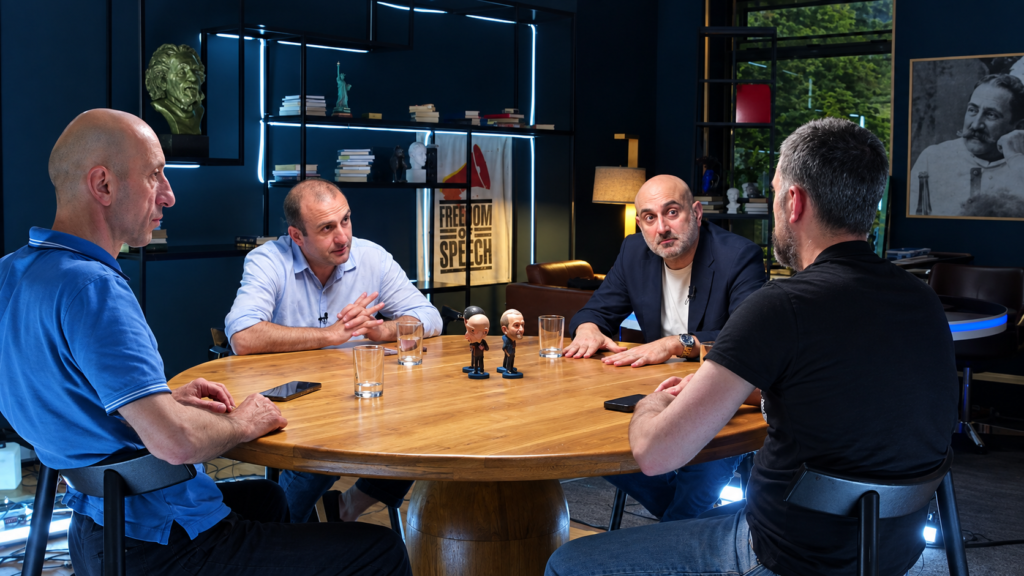
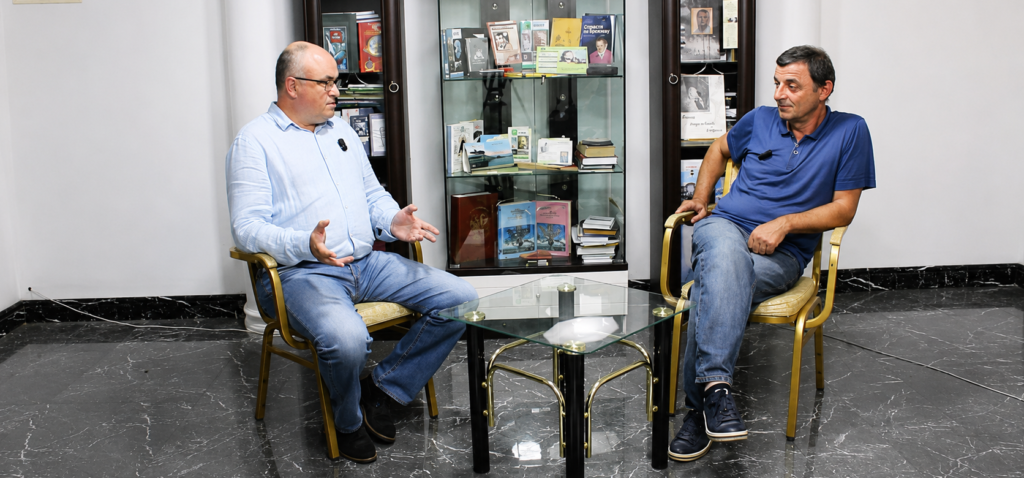
Nika Gvaramia: If we want our jurisdiction to extend over Abkhazia again, we will have to make certain concessions. But on the condition of EU membership and the existence of a state named Georgia, with its constitutional coverage of Abkhazia.
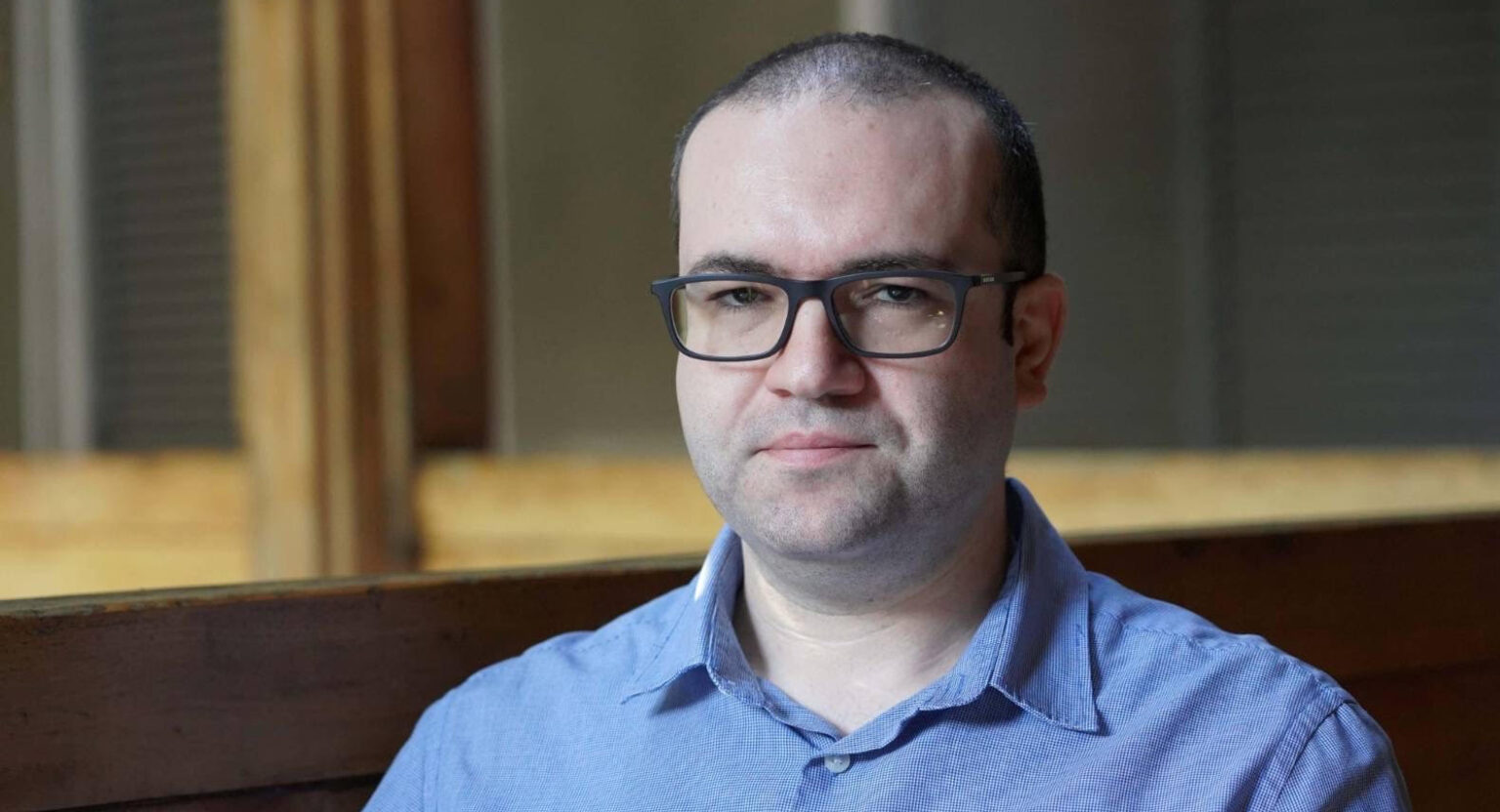
Vano Abramashvili: I think that we can talk with the Abkhaz even under the conditions of occupation. This simply requires political will and the correct formats.
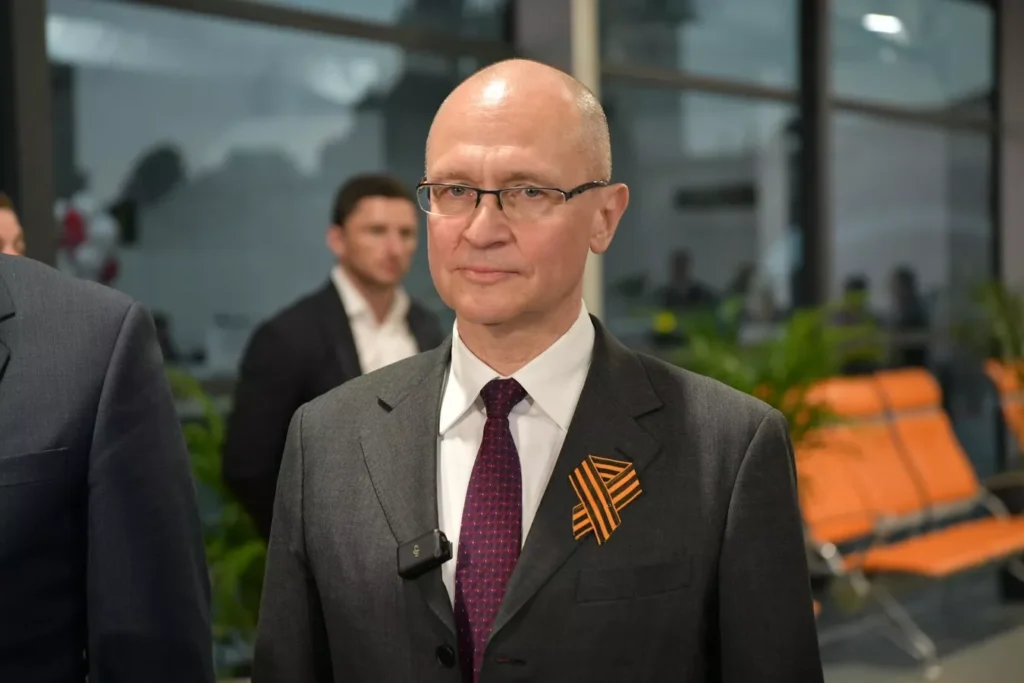
In recent years, one of the central figures shaping political processes in Abkhazia has been Sergei Kiriyenko, First Deputy Chief of Staff of the Presidential Administration of the Russian Federation.