







Syria and Abkhazia
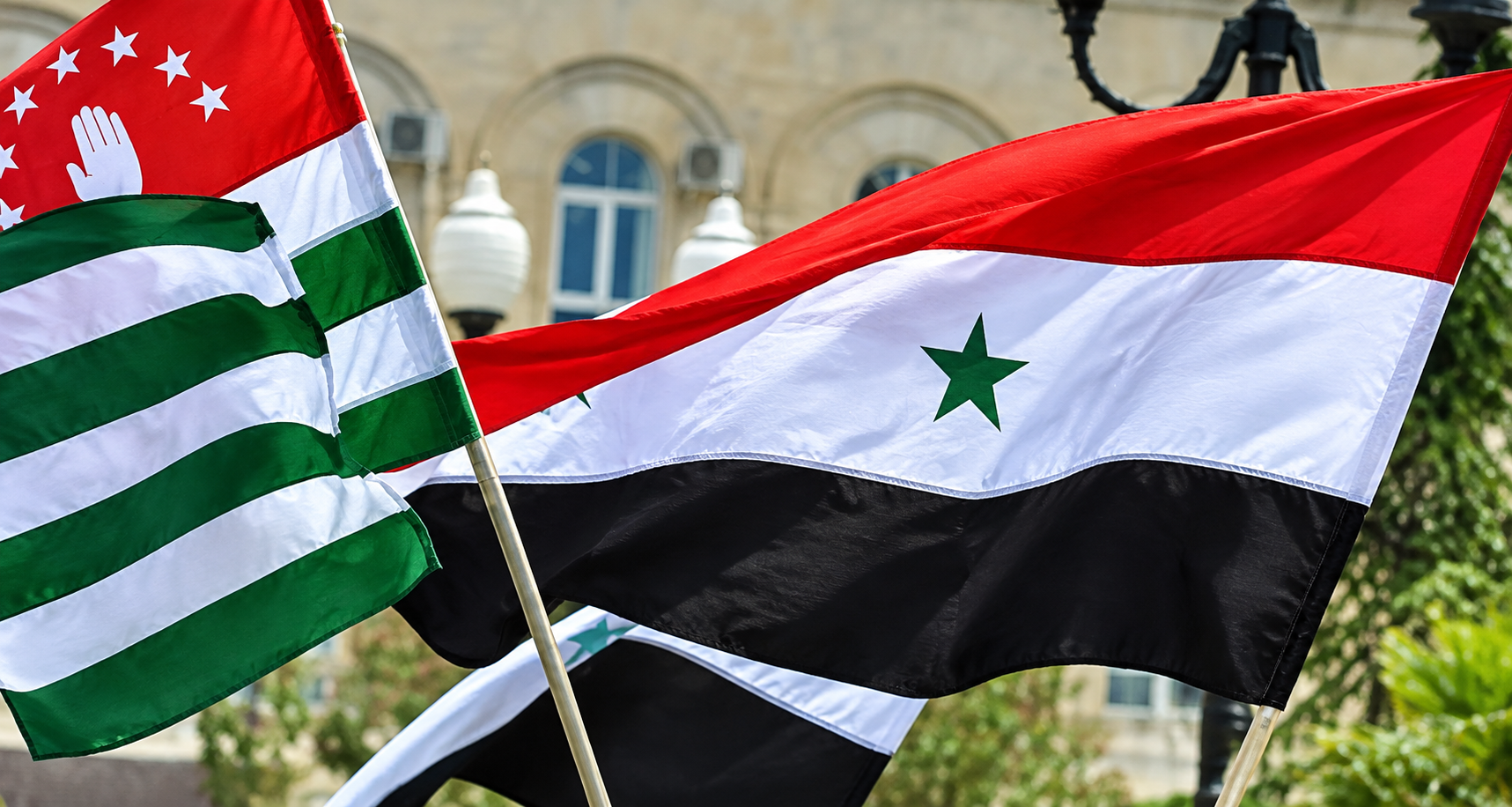
In September of this year, European Commission President Ursula von der Leyen, in a letter sent to the “Coalition for Change,” confirmed that the European Union will raise the issue of revoking the recognition of Georgia’s occupied territories during its communications with Syria.
Syria’s recognition of Abkhazia’s independence is not significant solely because of Damascus’s stance. Syria is part of the Arab world; therefore, it is insightful to analyze the attitudes toward the Georgian conflict not only in Syria, but across Arab countries in general.
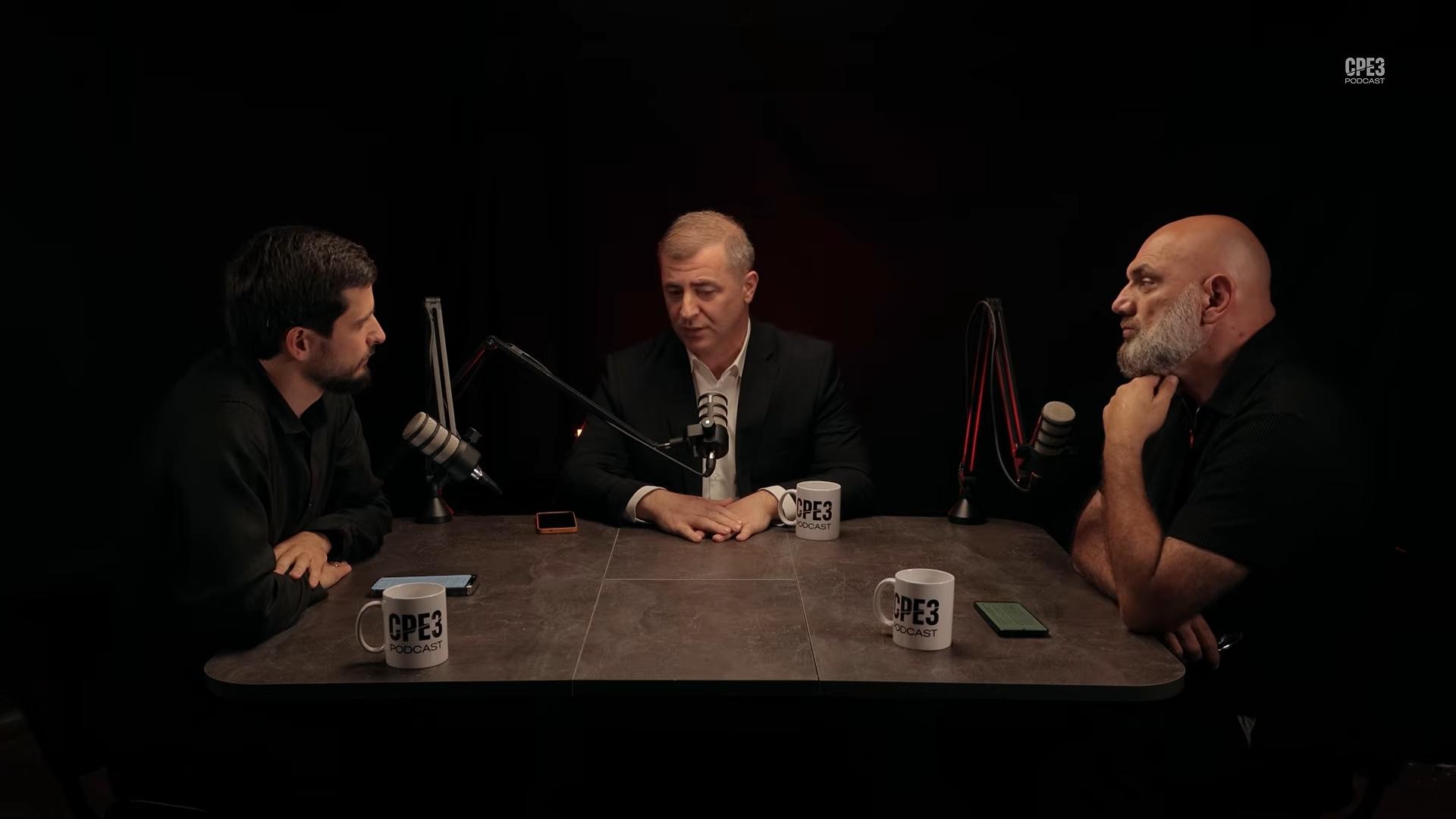
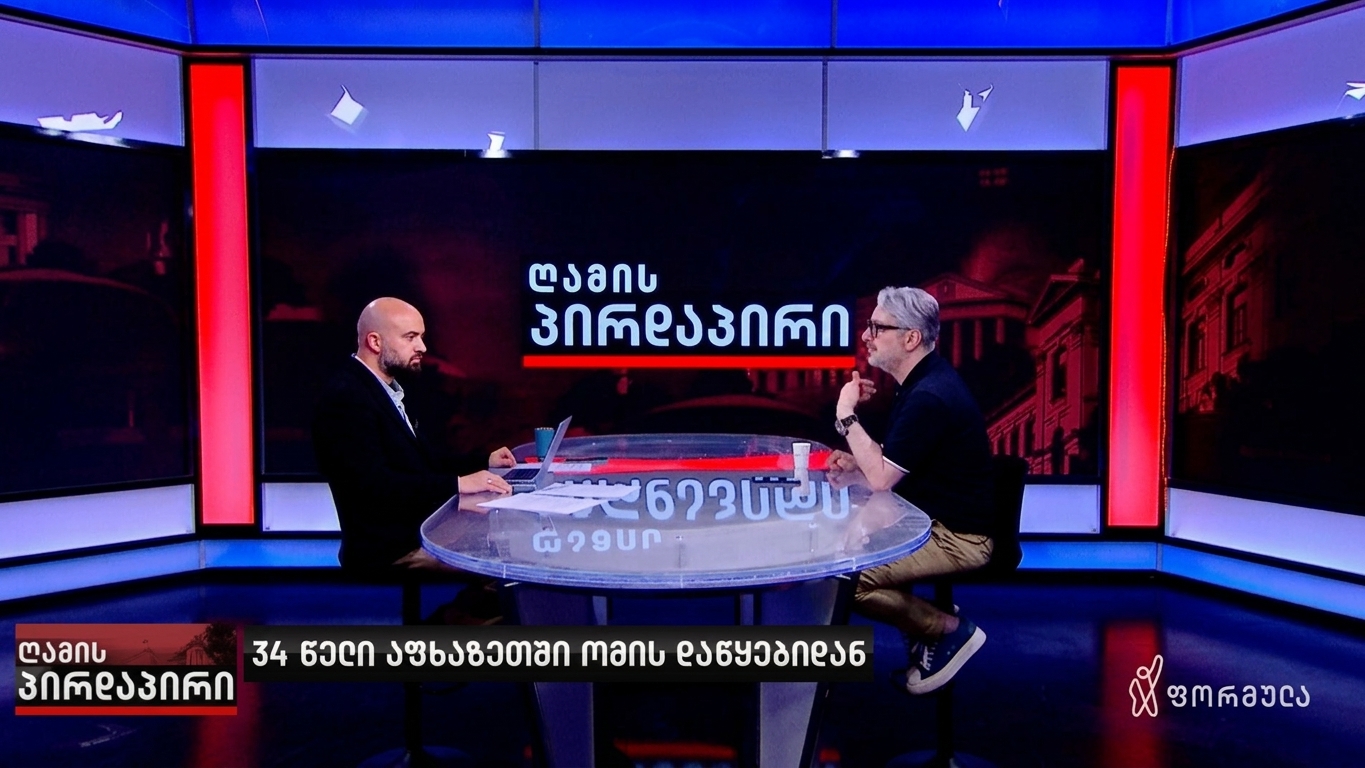
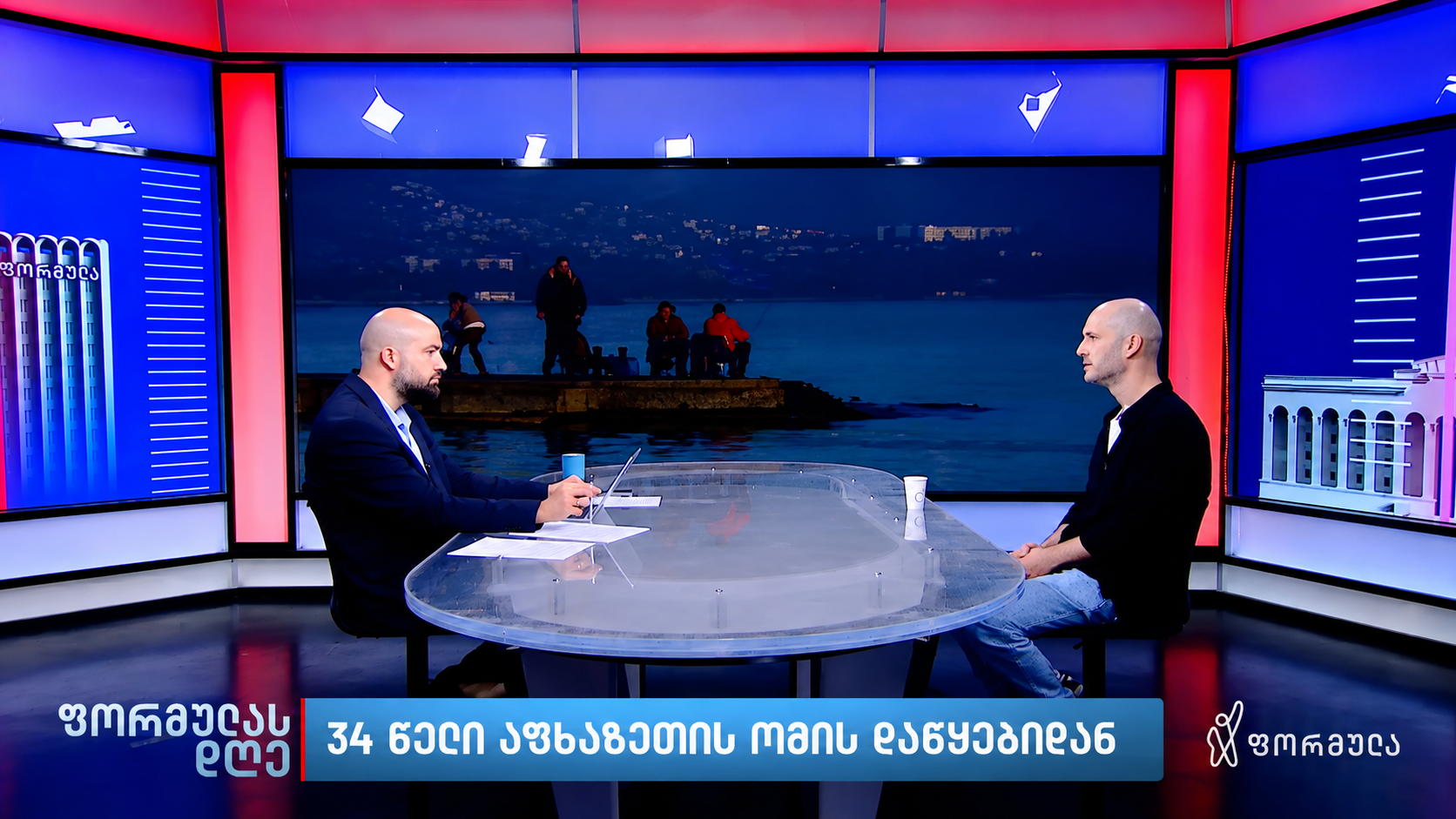
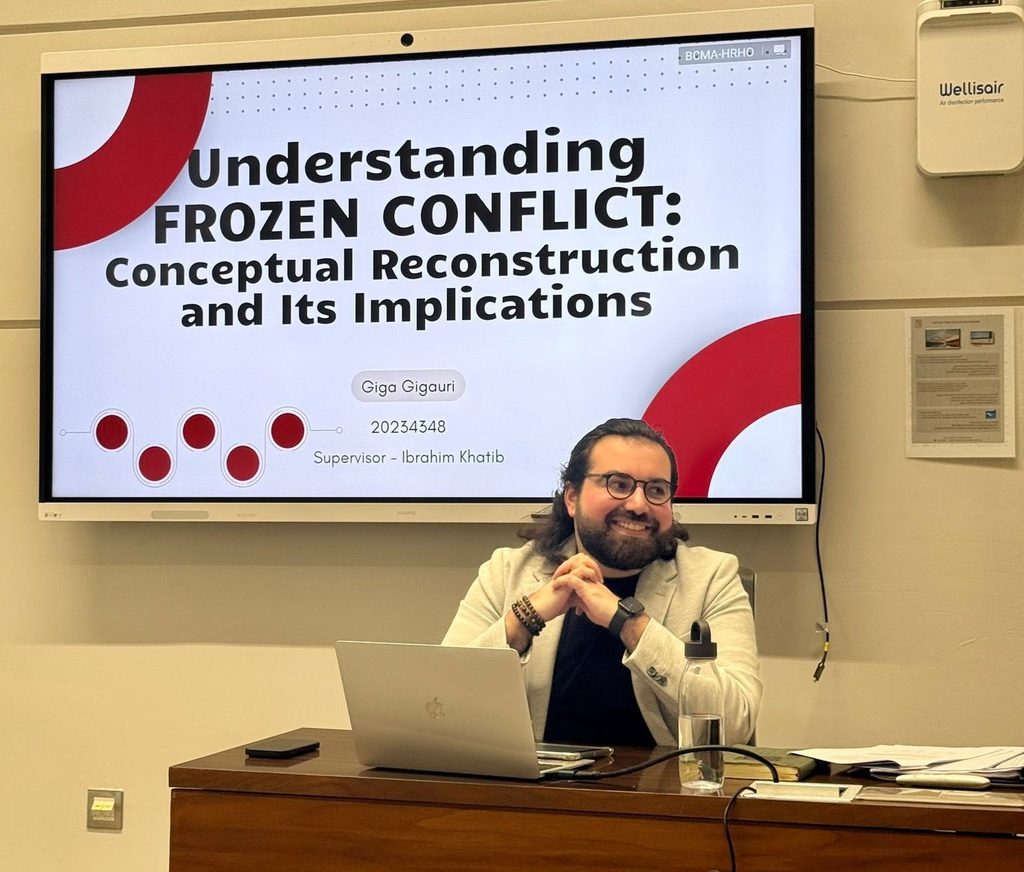
We offer an interview on these topics with Giga Gigauri, an Orientalist and holder of a Master’s degree in Conflict Management from Doha University.
Let us begin our discussion about the Arab world with Syria. The Assad regime recognized the independence of Abkhazia in 2018. What influenced this decision?
Giga Gigauri: The Arab world encompasses many diverse countries, each possessing its own distinct characteristics. The foreign policy of every single one of them is anchored in its own national and regional interests.
The case of Syria itself is one of the most intriguing in this regard. This country belongs to the Arab world, yet to this day remains the sole Arab state to have recognized the independence of Abkhazia and the Tskhinvali region—the so-called South Ossetia. At first glance, this decision appeared to be a contemporary Russian-Syrian agreement, or rather a deal between Assad and Putin; however, we must understand the specific nuances and history of the relations between these two nations. This relationship was not built solely on the personal ties between Assad and Putin. For decades, it had been institutionalized through military treaties, arms supplies, military education, diplomatic backing, financial arrangements, and strategic infrastructure.
We cannot say that this decision reflected the interests of the Syrian people. Nevertheless, this step unequivocally reflected the political, economic, and military ties built between Russia and Syria over the course of decades. Ever since the Soviet period, despite certain fluctuations, close military and political relations took shape between Syria and Moscow.
This relationship dates back to the Soviet era, right after the Syrian Republic gained independence in the mid-twentieth century. These ties grew even stronger under the Assad regime. During the era of Hafez al-Assad, Syria established particularly close military cooperation with the Soviet Union, leading to the deployment of a Soviet naval support facility in Tartus. Later, during the era of the Russian Federation, relations expanded beyond military cooperation to encompass financial agreements and the write-off of a significant portion of Syria’s Soviet-era debt.
The 2018 recognition must also be viewed within the context of this long-standing political interplay and the Assad regime’s heavy reliance on Russia. Russia served as the primary military and political ally of the Assad government during the Syrian Civil War. Subsequently, in 2022, Syria also recognized the so-called republics of Donetsk and Luhansk, which can be seen as a continuation of that exact same foreign policy trajectory.
Here, it is crucial to distinguish between the causes behind the 2018 recognition and the factors that contribute to maintaining this decision today. The Abkhaz side relies on the argument of state continuity: governments change, but not all international decisions of a previous administration are automatically voided. This does not imply that a new government is obligated to preserve the recognition forever, yet Assad’s departure was not in itself sufficient to prompt its revocation.
The fact that the new government has not revoked the recognition does not mean that it fully shares Assad’s original motivation either. Maintaining the decision may be tied to other priorities, diplomatic inertia, a lack of desire to sever relations with Russia completely, or the intention to keep this issue as potential leverage in negotiations with the West. Or quite simply, al-Sharaa currently lacks the time to deal with the Abkhazians during this transitional stage, as he is playing a much larger game.
The descendants of the Muhajirs living in Syria are frequently mentioned. Does this group exercise any influence over Syria’s domestic politics?
Giga Gigauri: In my opinion, the descendants of the Muhajirs did not have a major influence on the decisions made in 2018. During Assad’s rule, this group took care of cultural ties with Abkhazians, yet they had no political influence over the processes.
The descendants of the Muhajirs do not possess distinct political power. We should not imagine this group as one that either supported Assad or fought against him. This community had no unified political organization or distinct influence on state decisions. Its members were integrated in various ways into the social, economic, and civic life of Syria. While a segment of the diaspora organizations viewed the recognition positively in the context of cultural and historical ties, this does not imply that a unified stance existed within the community.
Due to cultural connections, it is only natural that a portion of these people received the recognition of Abkhazia positively, and some of them still point out today that Syria’s new government has not officially revoked the decision. Their role is most visible during visits by representatives of the de facto government, when the descendants of the Muhajirs host them and maintain cultural ties. However, as a political force or player, there is no indication that this group had any influence on the strategic decisions of either Syria’s former or current government.
Moreover, those whom we currently call Muhajirs have, over these 150 years, already become fully integrated into Syrian society. The average Syrian equates the entire North Caucasian community in Syria with a broader Circassian identity.
What is the attitude of other Arab countries, or the level of knowledge in their societies regarding Georgia’s conflicts? In recent years, Arabs have appeared in our region primarily as investors and are not political players. Is our region alien and unfamiliar to them?
Giga Gigauri: Very little is known about Georgia’s conflicts in Arab societies. The Abkhazian conflict does not constitute a significant topic of academic or public discussion in the Arab world. Among the general public, information about Georgia is often scarce, and knowledge regarding the conflicts in Abkhazia and the Tskhinvali region is even more limited. That is why I mentioned at the very beginning that the 2018 decision was not one based on the understanding and informed knowledge of the Syrians.
It is necessary to note the interview with the extraordinary Orientalist and diplomat, Mr. Apolon Silagadze. He was Georgia’s first ambassador to Cairo. In 2000, his interview was published in an Arab newspaper. There, he had to clarify and clearly emphasize that the conflict in Abkhazia was not a religious one. In the 1990s, information had reached parts of the Arab countries that somewhere in Georgia a war was taking place between Muslim Abkhazians and Christian Georgians.
From the interview, it is evident that a deliberately spread misconception existed in the Arab information space, suggesting that the conflict was a religious confrontation between Muslim Abkhazians and Christian Georgians. That is precisely why Mr. Apolon had to bring this issue to the forefront and provide a clarification.
Such were the perceptions 20 to 30 years ago. Today, Syria is the only exception from the Arab world that made the decision to recognize the independence of Abkhazia and the Tskhinvali region, and as we have already said, the main determinant of their decision was political and military relations with Russia, rather than an in-depth knowledge of the Abkhazian conflict or a policy on the Caucasus independently formulated by Damascus.
The passivity of Arab countries is not explained solely by non-interference in our region and a lack of knowledge. For these countries, the issue of sovereignty and territorial integrity is extremely important.
Turning directly to our conflict regions—according to your observations, what is the current state of peace policy?
Giga Gigauri: During my master’s research, I worked on the phenomenon of frozen conflict. Looking at it through this prism shows what kind of result long-term conflict management can lead to without a real peace process and political vision.
Today we see a stable yet unresolved post-war order that stands very far from the idea of peace. Direct signs of large-scale armed confrontation may not be visible, however, in an unresolved conflict, the risk of a resurgence of violence cannot be entirely ruled out.
In one of our conversations, Mr. Paata Zakareishvili noted that these frozen conflicts represent a kind of refrigerator, while international platforms [the Geneva format and others] serve as the freezer inside this refrigerator. The essence of this metaphor is that these formats often serve not to resolve the conflict, but rather to preserve the status quo.
The Abkhazian conflict is a clear example of what outcome prolonged conflict management can bring about in the absence of a genuine peace process and political vision. All sides have their own visions and goals, yet virtually no substantive political dialogue is taking place between them. The existing communication rarely moves on to issues where demonstrating common interest and cooperation would be possible.
Thematically, what issues would you highlight where the Georgian and Abkhaz sides could initiate dialogue and cooperation?
Giga Gigauri: Given today’s reality, this may sound utopian, but a topic of such shared interest could be education—vocational and academic ties, youth encounters, as well as language and research programs. Today, education systems often produce historical narratives that are completely different from one another, which further widens the distance between the societies.
A deep divide has emerged between the societies, and we notice that education systems are expanding this chasm even further. Healthcare is another relatively less politicized field where cooperation could be based on people’s everyday needs. I believe we must accord greater political agency to Abkhaz society and perceive them as participants in a direct dialogue. This does not mean recognizing their independence; it means recognizing that the peace process cannot take place without them.
It is a basic necessity that talking to one another should not be a problem. Such a thing should not surprise anyone, let alone cause annoyance. These conversations, meetings, and dialogue must become the norm.