







Nauru withdrew Abkhazia’s recognition
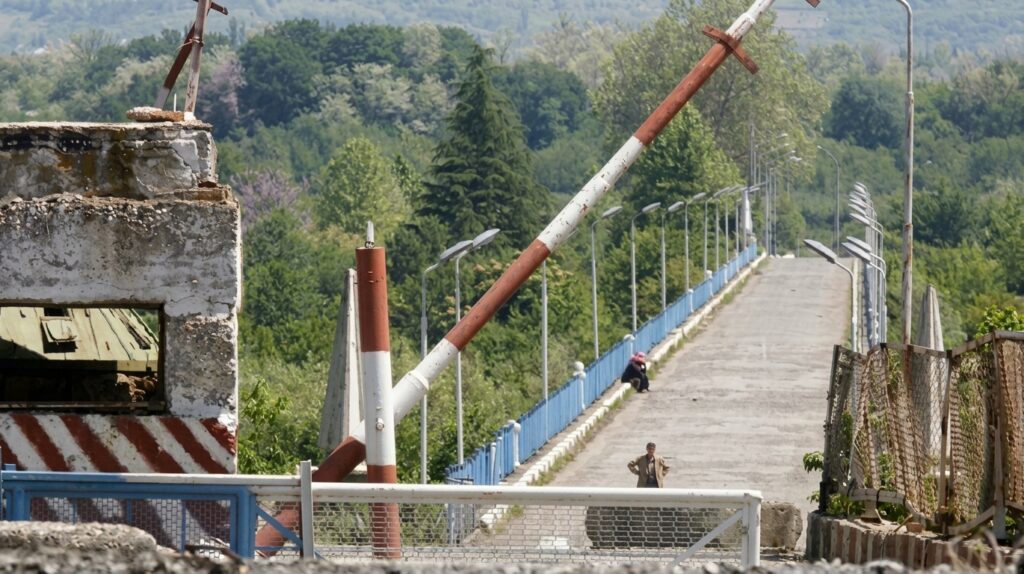
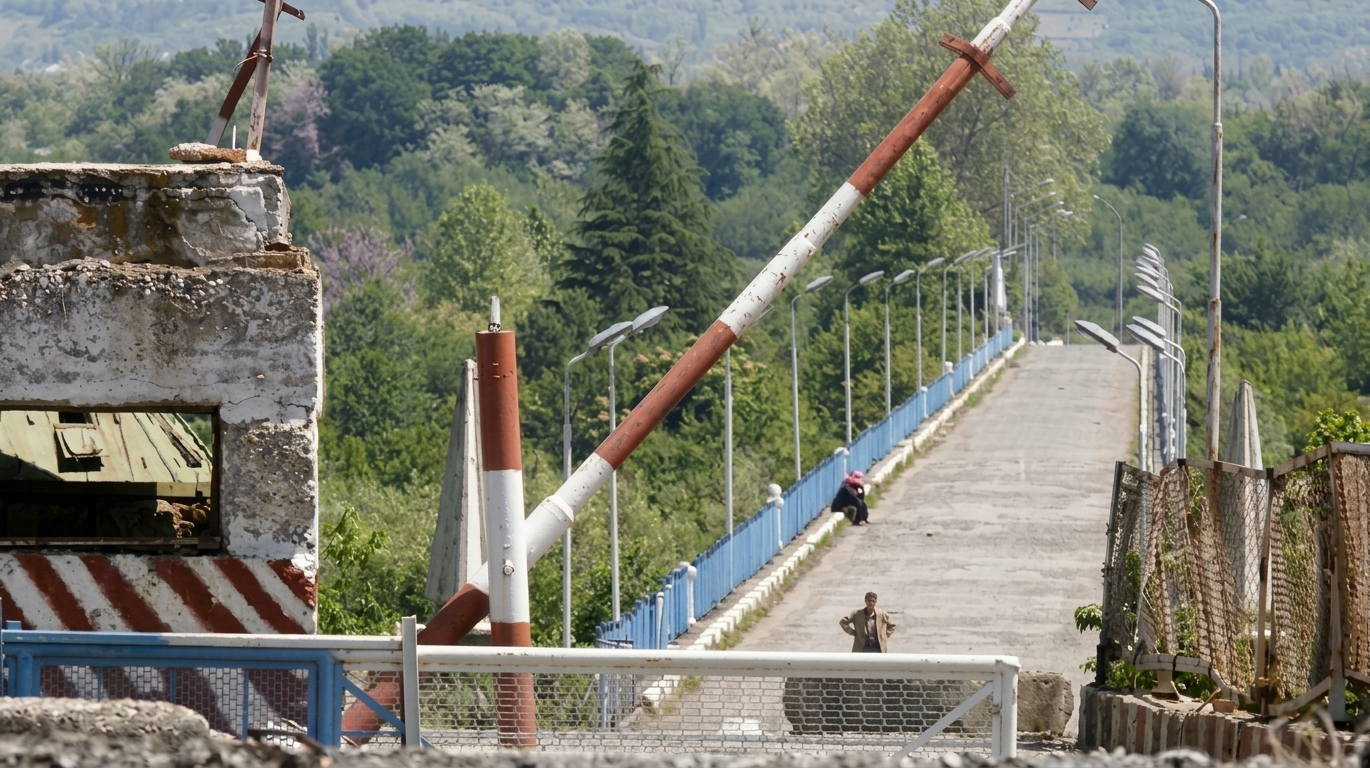
On July 29 of this year, it became known that Nauru withdrew its recognition of Abkhazia and South Ossetia. The decision was unexpected, as no information had been previously circulated in either Georgian or international media. Nor was any political or diplomatic process known to be underway. The Ministry of Foreign Affairs of Georgia called the decision an expression of respect for the principles of international law, without providing any further details. Meanwhile, the de facto Ministry of Foreign Affairs of Abkhazia cited unprecedented pressure from Georgia and its Western partners as the reason for Nauru’s decision.
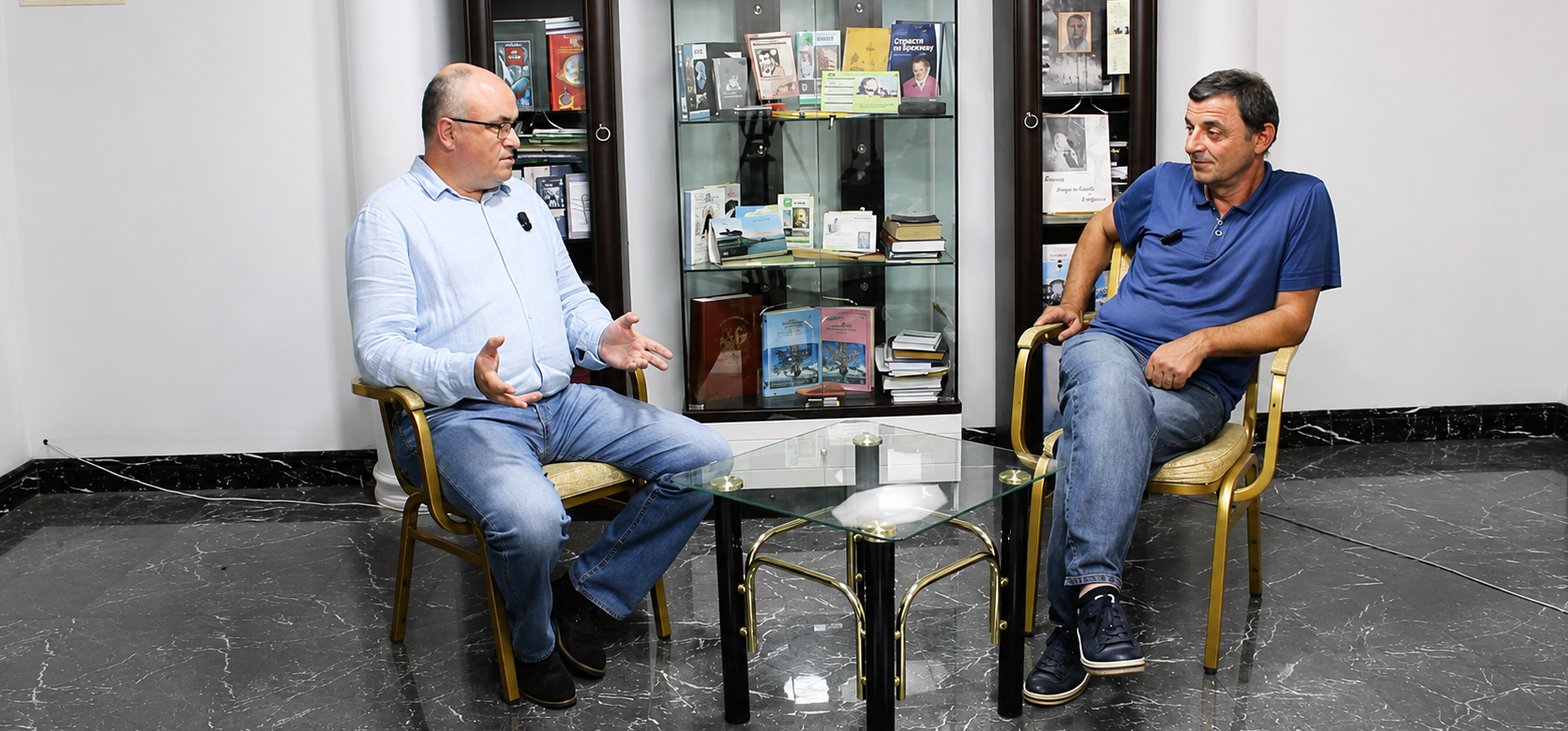
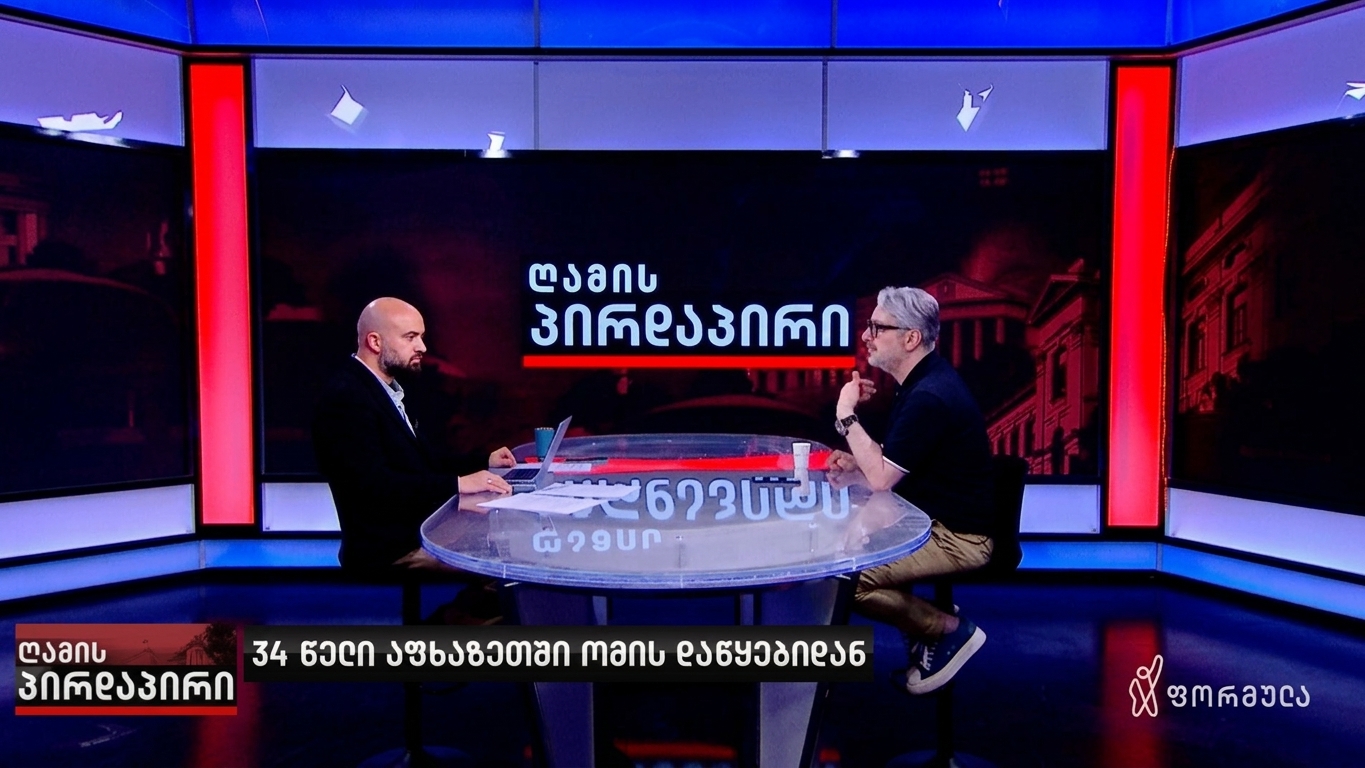
We interviewed Georgian political experts who offer several complementary and contrasting perspectives on why Nauru decided to recall its recognition of Abkhazia and South Ossetia, ranging from the influence of international legislation to a fundamental shift in the global order following the invasion of Ukraine.
Main theses:
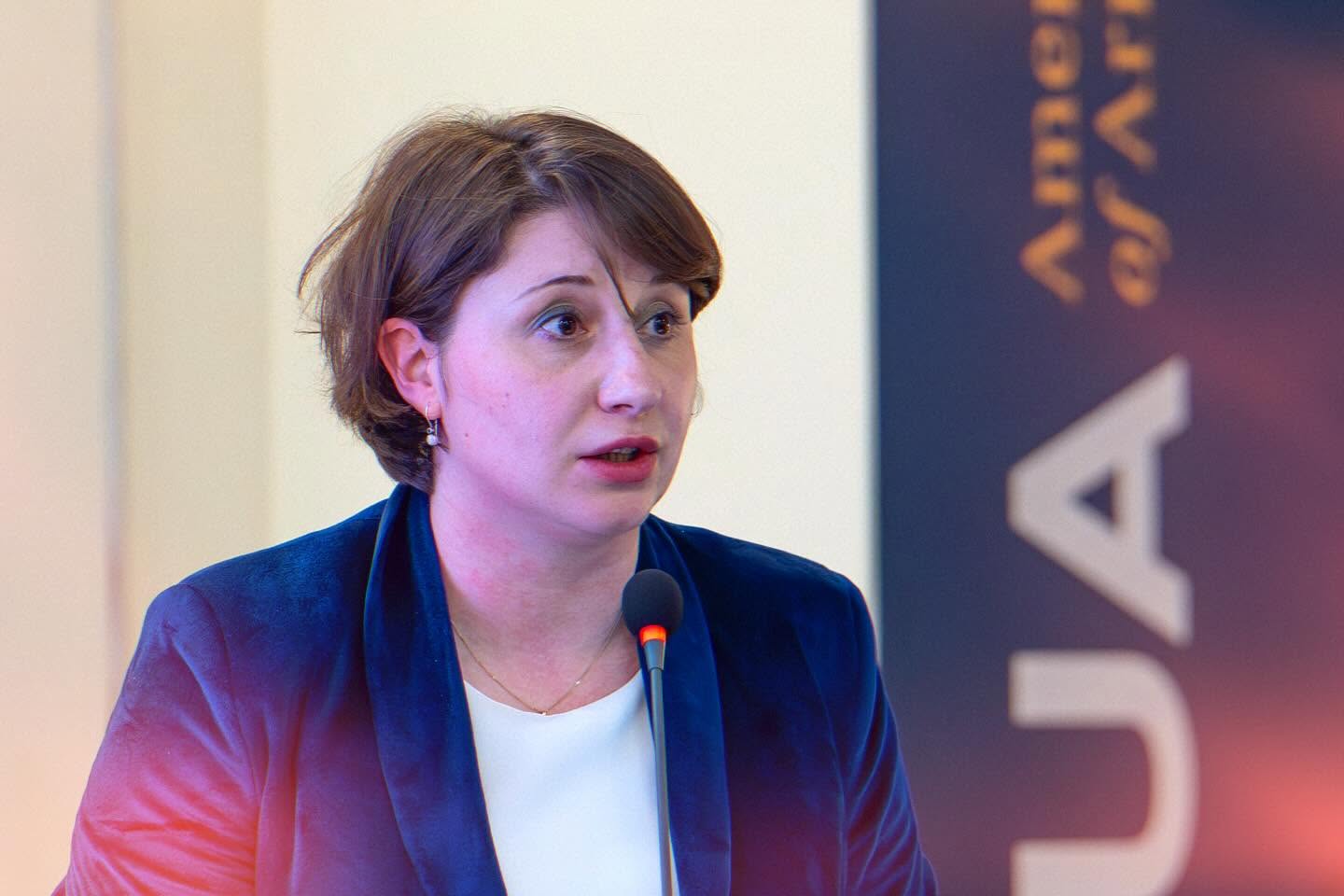
Olesya Vartanyan, research assistant at George Mason University provides a multi-layered analysis that frames Nauru’s decision within both the specific diplomatic behavior of small island nations and a broader, systemic shift in global geopolitics.
Central to her argument is the characterization of Nauru as one of the world’s “recognition traders,” a term she uses to describe countries for whom the act of granting or withdrawing diplomatic recognition serves as a “tool in relations with major powers”.
She explains that for a “tiny island nation” like Nauru, these decisions are often transactional, driven by a desire for “certain services, funds, or simply due to shifts in the geopolitical landscape”.
To illustrate this pattern, she points to Nauru’s history with Taiwan, noting that despite high-level visits, the nation eventually revoked its recognition of Taiwan when the geopolitical situation shifted in favor of China.
Vartanyan further explains the pragmatic logic behind such reversals, suggesting that for small countries, it is relatively “easier to revoke the recognition of some distant place, such as Abkhazia or South Ossetia,” if doing so yields tangible benefits in their relationships with “large and currently important” countries.
She posits that such a move can be a “conscious decision” to signal a change in foreign policy or even just a “cherry on top” – a diplomatic gesture that costs Nauru very little but “pleases your new partners”. In this view, the withdrawal is less about the specific status of the occupied territories and more about Nauru’s strategic alignment with major international actors.
Expanding her analysis to the global level, Vartanyan argues that these individual diplomatic acts are also part of a “general trend” toward the preservation of territorial integrity. She observes that since 2014, and accelerating with the 2022 invasion of Ukraine, the international system has moved away from “soft solutions” regarding unrecognized regions, causing the “grey zone” to narrow significantly.
She asserts that the “entire world is starting to work in favor of preserving territorial integrity even in cases where there is little benefit from it”. This systemic shift, she notes, is occurring alongside a “strengthening of authoritarian trends and the departure from liberal approaches in international relations”.
A striking aspect of Vartanyan’s analysis is her description of Georgia as a “free rider” in the current international climate. She argues that the global trend toward territorial integrity has been so powerful that Tbilisi has achieved successful outcomes, such as its annual UN General Assembly resolutions, “even without special diplomatic efforts and against the backdrop of complicated relations with Western partners”. In her view, the global situation itself is delivering Georgia’s desired results without requiring much effort from the Georgian government.
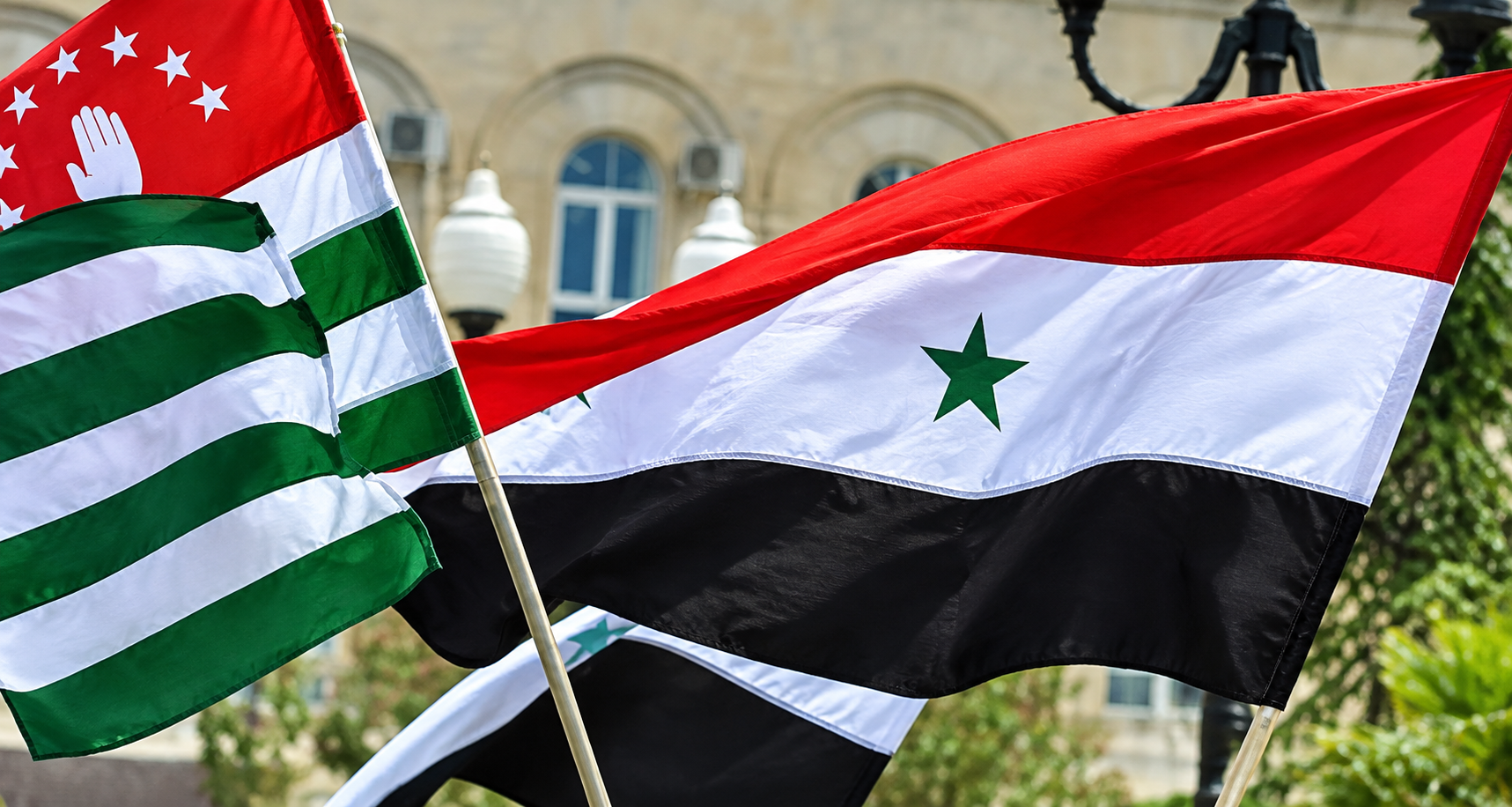
However, Vartanyan cautions that global trends alone are not always sufficient, as evidenced by the cases of Syria and Venezuela. She notes that while Syria has recently recognized Kosovo’s independence to establish closer ties with the European Union, specifically France, it has yet to provide clear signals regarding Abkhazia and South Ossetia. Similarly, she believes Venezuela is too focused on its own internal “governance crisis” and the aftermath of a “terrible earthquake” to reconsider its position without a “special request from the United States”. Despite these delays, she concludes that the withdrawal of recognition by these nations may be “merely a matter of time” due to the current dominance of the principle of territorial integrity.
If such a reset occurs, she suggests it would serve as a “concrete sign” that the Georgian Dream government and its Western partners have finally begun setting past problems aside.
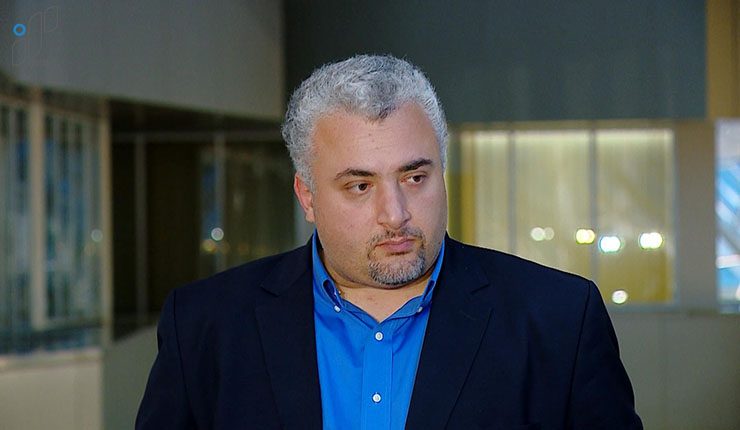
Sergi Kapanadze, professor of international relations and Georgia’s former deputy foreign minister argues that while the exact reasons for Nauru’s decision remain private, it can be understood through a combination of Nauru’s shifting foreign policy, declining Russian influence, and the inertia of Georgian diplomatic efforts.
He observes that Nauru has gradually evolved to become less dependent on Russia, instead seeking closer cooperation with Australia and other Western partners while aligning itself with the “One China” policy. Kapanadze considers it “entirely plausible” that the European Union, the United States, and Australia encouraged this reversal, though he notes a lack of public evidence for a direct deal.
He is particularly skeptical that the current Georgian government played a significant role, given the deteriorating relations between the Georgian Dream administration and Western partners, which makes it difficult to mobilize the political leverage necessary for such diplomatic outcomes.
Regarding Georgia’s internal efforts, Kapanadze acknowledges that the Ministry of Foreign Affairs (MFA) deserves some credit, but he characterizes these results as being driven by “inertia” rather than a proactive or well-supported strategy. He points out that the MFA has become highly politicized, even laying off dozens of professionals due to their pro-European views, which undermines the country’s long-term diplomatic capacity.
Kapanadze further explains that the broader geopolitical context has changed because Russia’s international position has weakened, and Moscow is now less focused on expanding the recognition of Abkhazia and South Ossetia than it was a decade ago. Instead, Russia’s current priority has shifted toward the “gradual de facto annexation” and the integration of these occupied territories into its own political and military systems.
Consequently, Kapanadze insists that Georgia’s strategic priority must evolve to counter this annexation rather than just focusing on non-recognition, a task he believes the current government is failing to address. He argues that distancing Georgia from democratic partners while aligning more closely with Russia is the least effective strategy for resisting annexation.
Looking toward other countries like Syria and Venezuela, he suggests that the chances of recognition reversals have increased due to shifting global dynamics and Syria’s own political transformations. However, he warns that as long as Georgian leaders continue to accuse the West of trying to “drag Georgia into war,” it remains significantly harder to mobilize the Western diplomatic influence required to secure such reversals.
Ultimately, Kapanadze concludes that democracies are Georgia’s strongest allies, and strengthening democratic institutions at home is the most effective way to preserve the international non-recognition policy.

Teona Akubardia, former deputy secretary of Georgia’s National Security Council and MP argues that Nauru’s decision to recall its recognition is a significant victory for the non-recognition policy and a clear manifestation of the support provided by Georgia’s Western partners.
She specifically credits Western allies, particularly the United States, rather than “international partners” in general, which was the terminology used by the Georgian Ministry of Foreign Affairs. According to Akubardia, the most critical factor in this process is United States legislation, which acts as a “mechanism of strong pressure” by prohibiting financial assistance to any government that recognizes the occupied territories of Georgia. She notes that this pressure has been persistent for years, citing admissions from the de facto Ministry of Foreign Affairs of occupied Abkhazia that Nauru had frequently reported such influence during diplomatic visits to Sokhumi.
Akubardia further suggests that the protection of Georgia’s territorial integrity is now part of a unified Western strategy to contain Russian revisionism. She highlights that the principle of sovereignty is a core value for Western partners, as evidenced by recent statements from Great Britain within the OSCE framework that directly link the sovereignty of Ukraine to that of Georgia and Moldova. In her view, Georgia is not an isolated case but is intrinsically tied to the broader steps taken against Russian policy in the region.
Despite these international successes, Akubardia is highly critical of the current Georgian administration, arguing that the government of Georgia is putting the non-recognition policy under question.
She points to a lack of proactive activity from Tbilisi, particularly regarding Syria, where a new government is currently establishing ties with both Russia and Europe. Akubardia observes that while the Georgian government remains inactive, Western partners like Lithuania are already working at the parliamentary level to facilitate the retraction of recognition between the European Union and Syria.
She believes that such steps by Western allies are vital for Georgia’s territorial integrity and will likely yield beneficial results, even in the absence of strong initiative from the Georgian leadership.
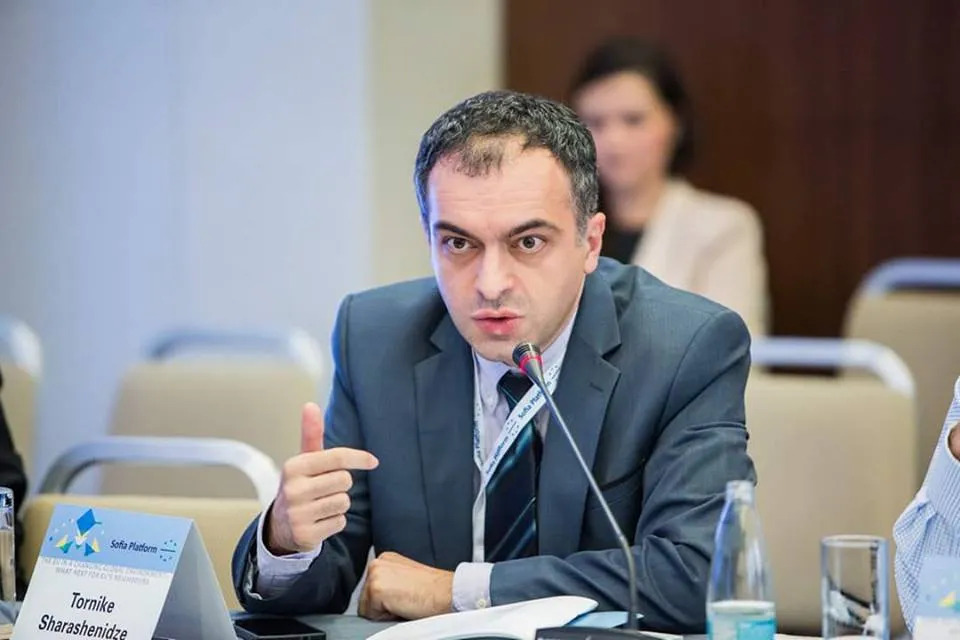
Tornike Sharashenidze , professor of International relations offers a perspective that downplays the direct, current involvement of the United States while emphasizing the roles of the European Union and Georgia’s own diplomatic efforts. He argues that the United States is likely too preoccupied with major global crises, such as the wars in Ukraine and Gaza, trade wars, and tensions with Iran, to focus on the “trivial affairs” of Nauru’s foreign policy.
Instead, Sharashenidze suggests that the European Union may have played a more active role, noting that while Brussels has strained relations with Tbilisi, it remains firmly at odds with Moscow and has previously raised similar recognition issues in its dealings with Syria. Beyond international actors, he maintains that the work of the Georgian diplomatic corps should not be underestimated, as he believes it played a “substantial part” in the outcome.
This diplomatic success was further facilitated by a broader geopolitical shift, as Russian prestige has significantly suffered following its full-scale invasion of Ukraine, making such reversals more possible.
Looking ahead, Sharashenidze views Syria as a critical upcoming milestone and expresses hope that Georgian diplomacy will work closely with the EU to address it.