Economic cooperation can contribute to a political settlement only under the condition of full-fledged political and economic participation of Abkhazia as an equal subject
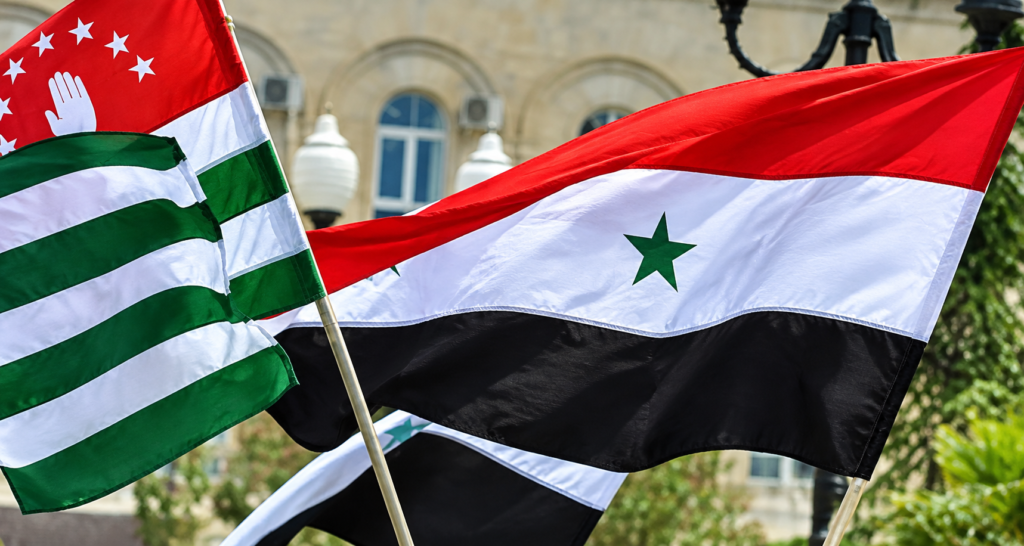
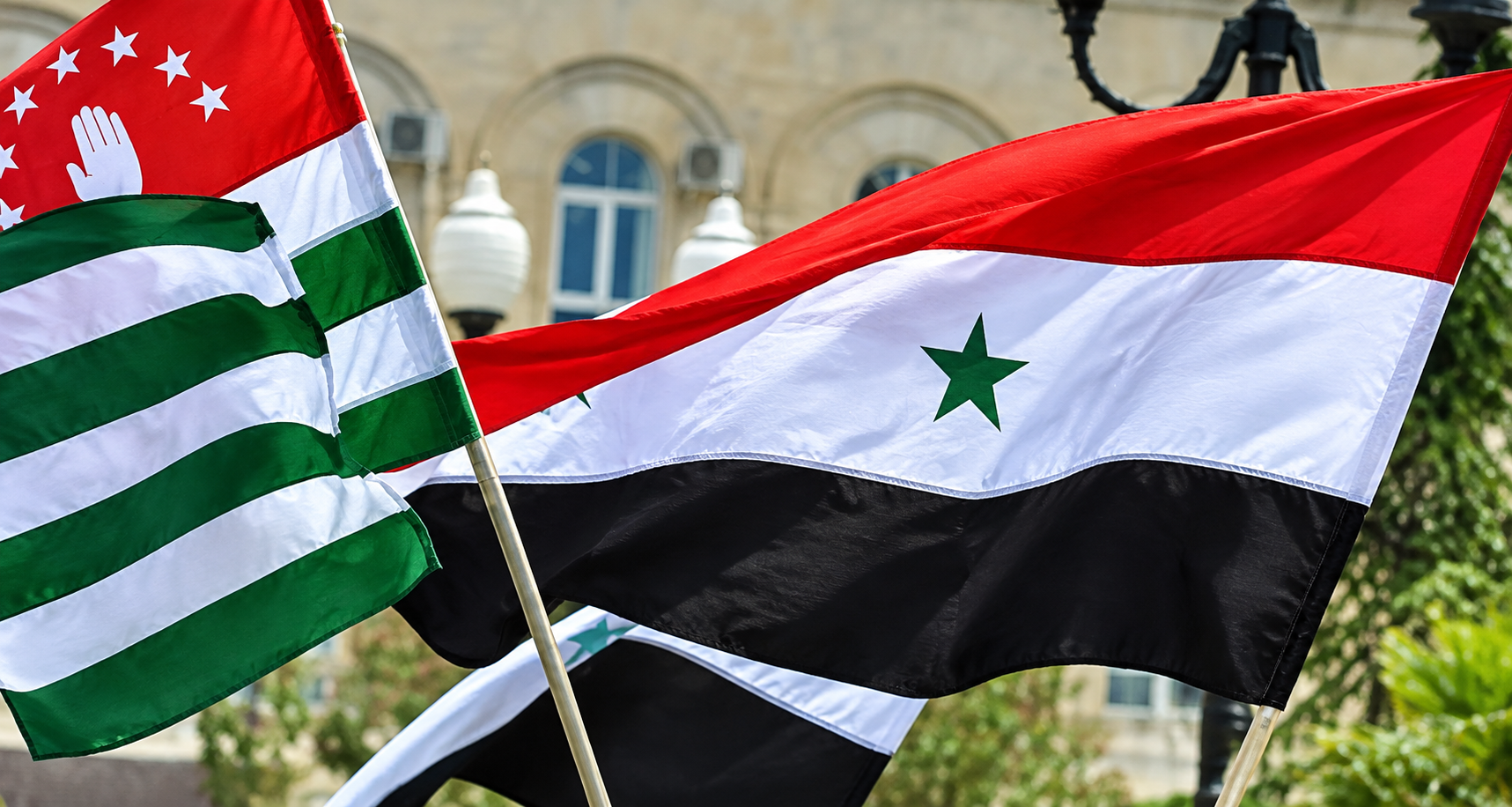
The descendants of the Muhajirs do not constitute a distinct political force. They are primarily engaged in economic activities. We should not view this group as either supporters of Assad or fighters against him.
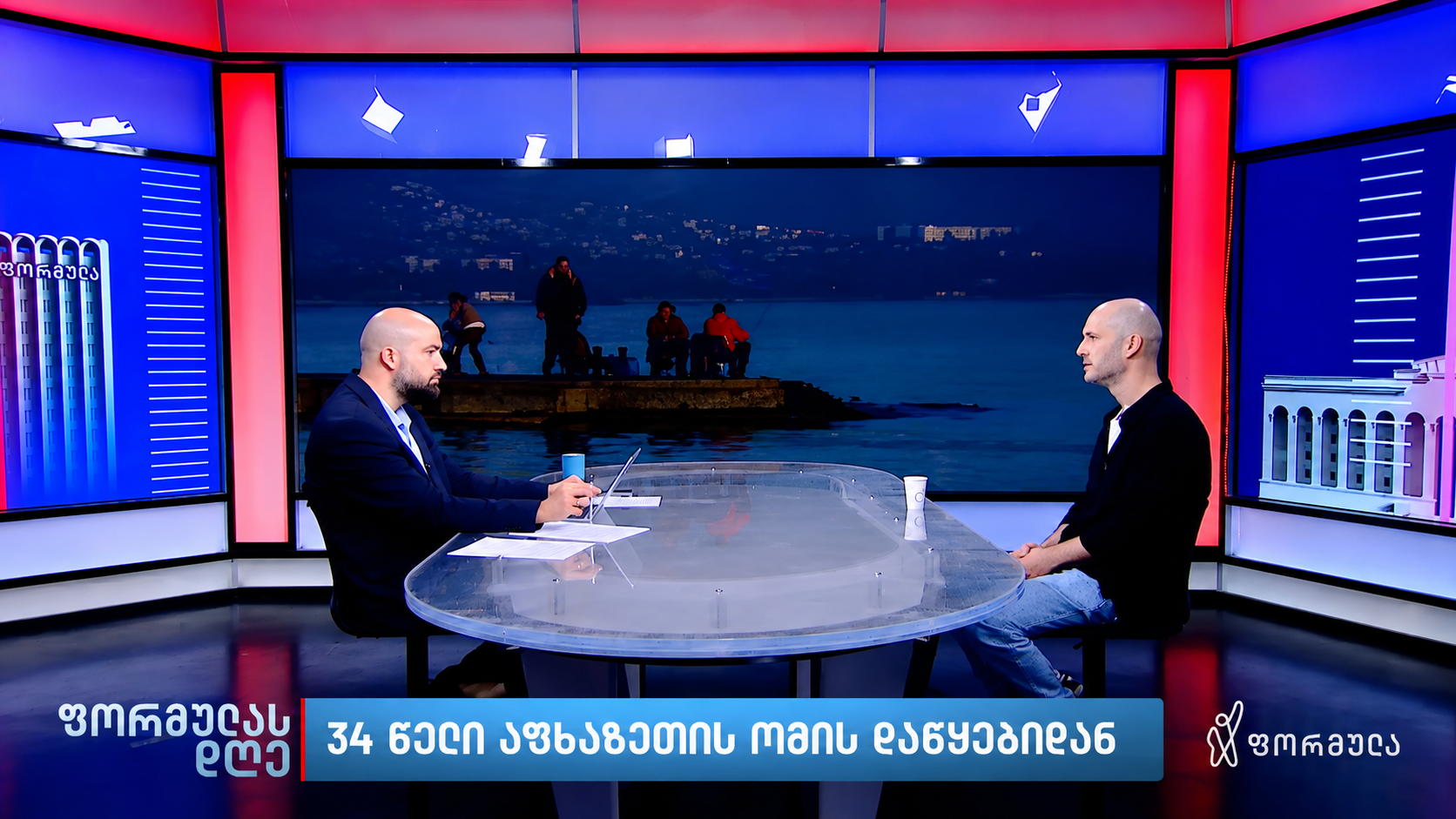
Astamur Tania: “Georgian opposition politician Nika Gvaramia’s statements on a peaceful solution to the conflict are part of domestic political struggle; the Abkhaz issue was raised only to stir emotions”
Nika Gvaramia: If we want our jurisdiction to extend over Abkhazia again, we will have to make certain concessions. But on the condition of EU membership and the existence of a state named Georgia, with its constitutional coverage of Abkhazia.
Vano Abramashvili: I think that we can talk with the Abkhaz even under the conditions of occupation. This simply requires political will and the correct formats.
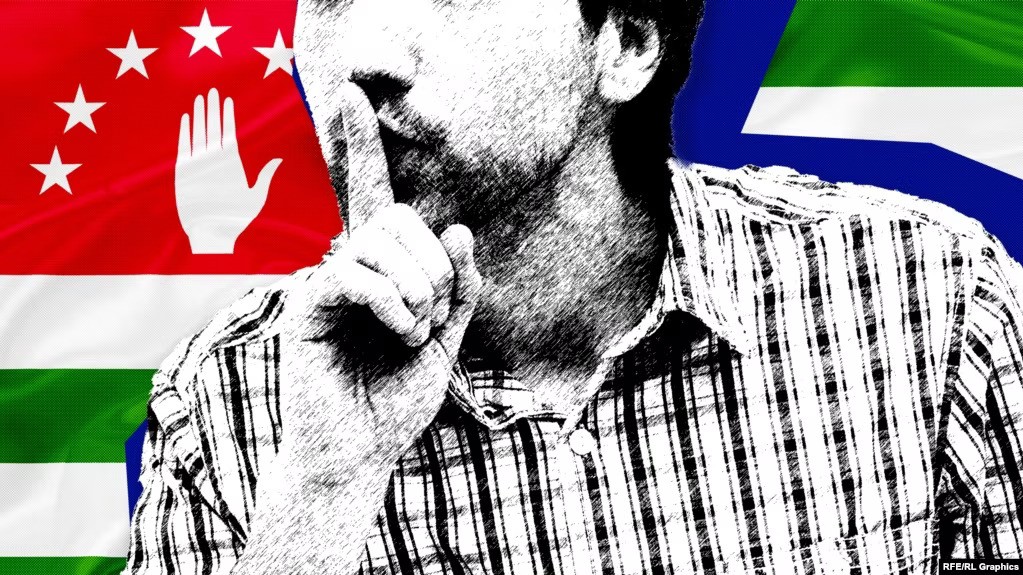
Should the so-called law on foreign agents go forward in Abkhazia? For almost a month now, the corresponding bill has been under preparation for discussion in parliament, while controversy in society is rife.