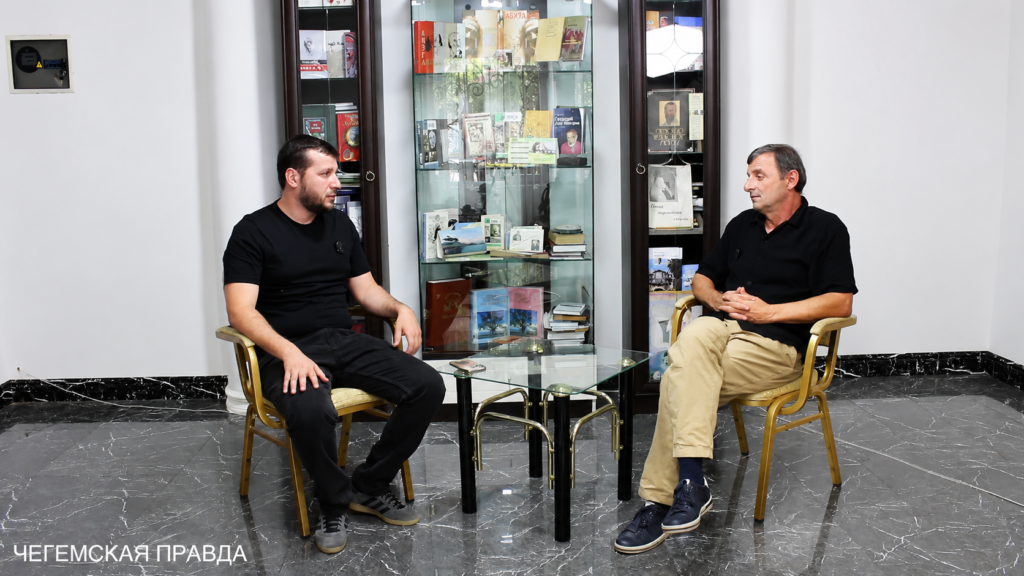
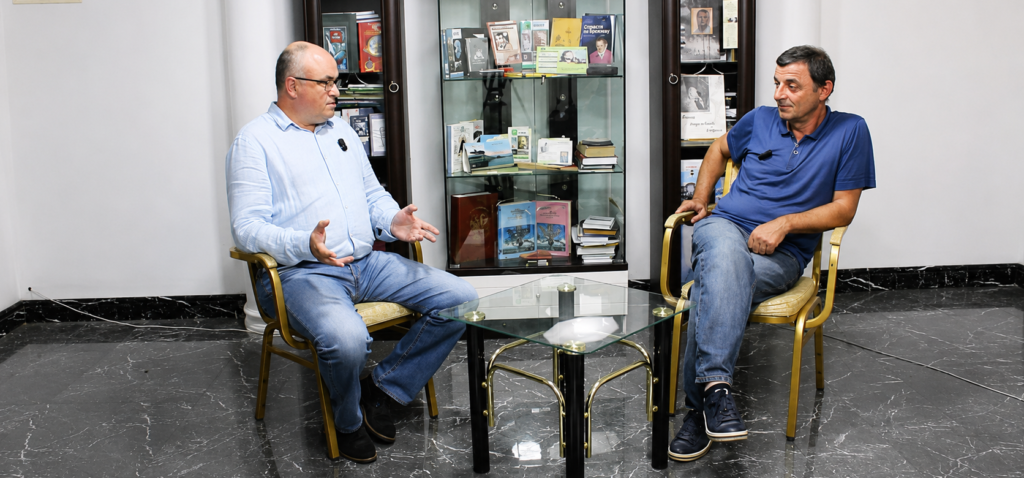
Astamur Tania: “Georgian opposition politician Nika Gvaramia’s statements on a peaceful solution to the conflict are part of domestic political struggle; the Abkhaz issue was raised only to stir emotions”
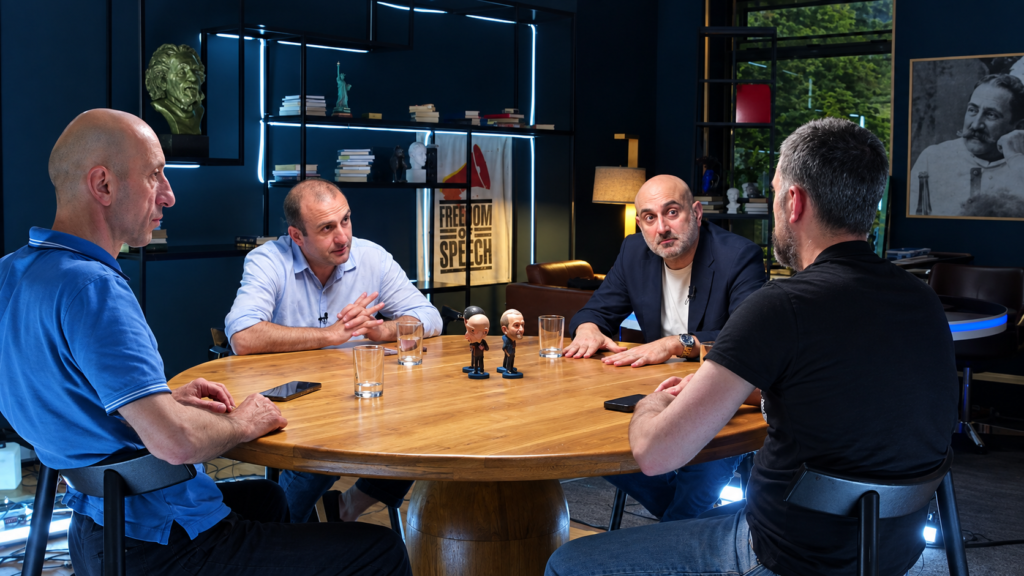
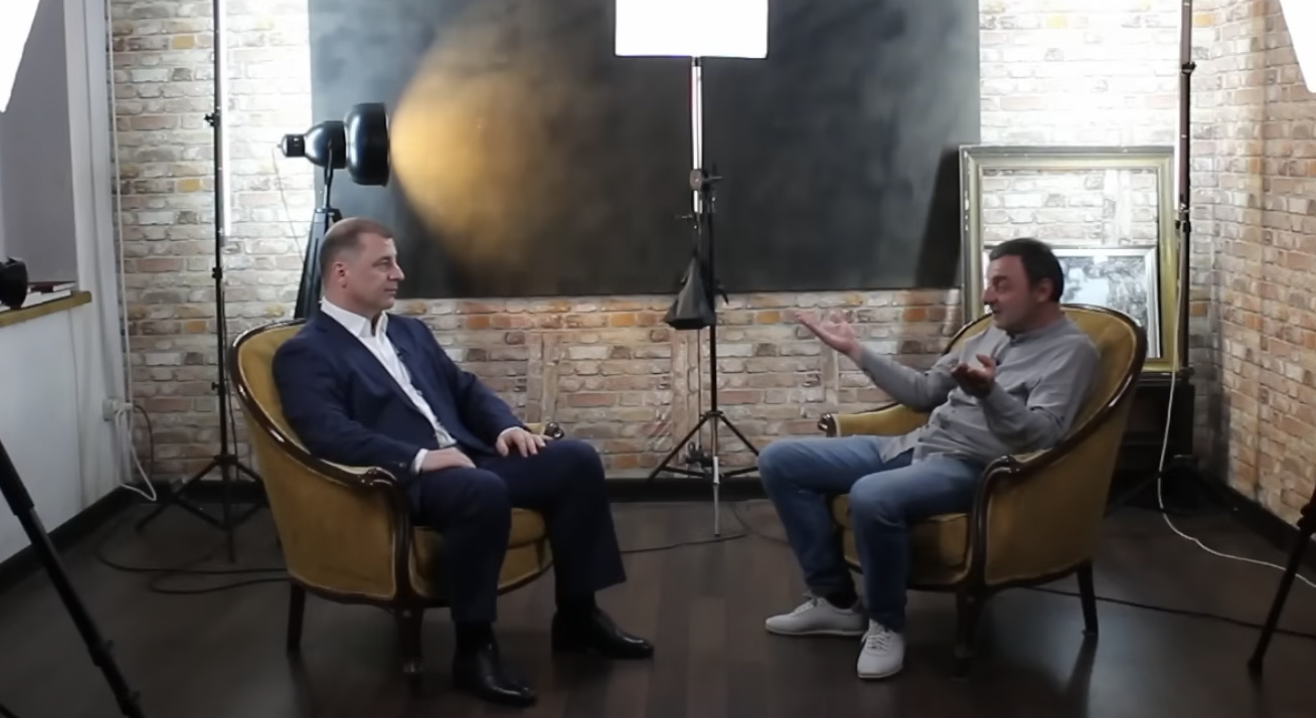
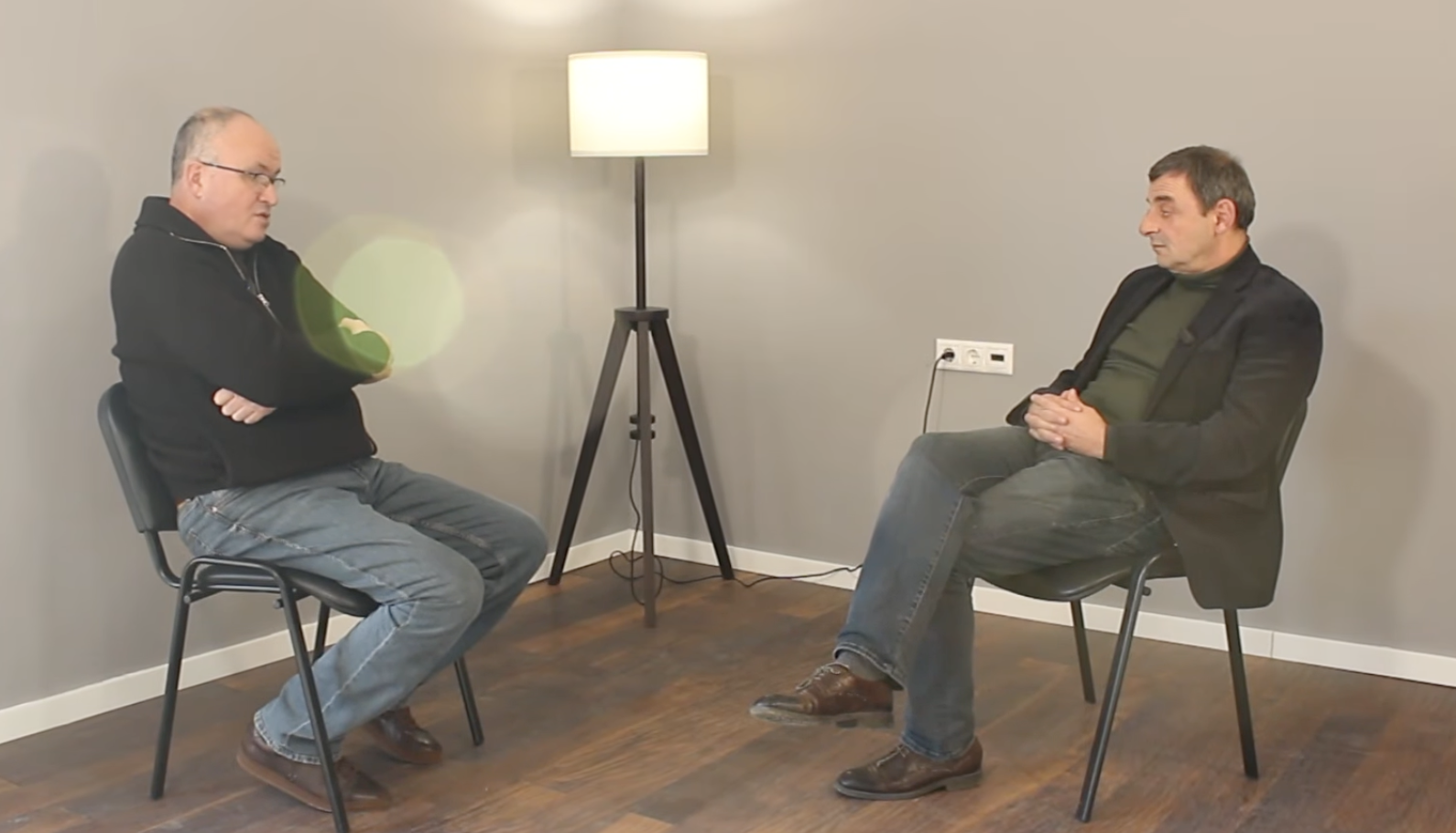
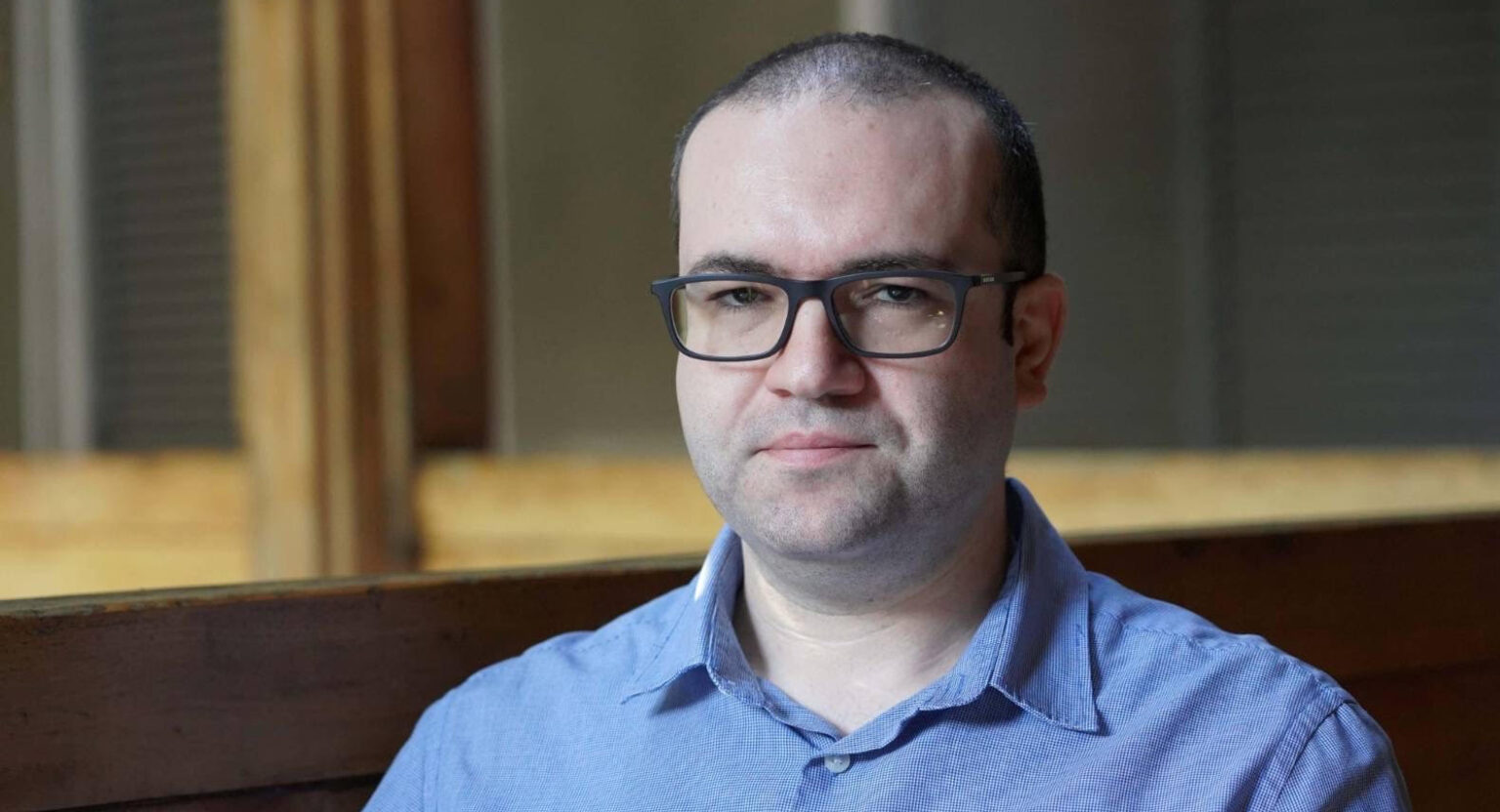
Nika Gvaramia: If we want our jurisdiction to extend over Abkhazia again, we will have to make certain concessions. But on the condition of EU membership and the existence of a state named Georgia, with its constitutional coverage of Abkhazia.
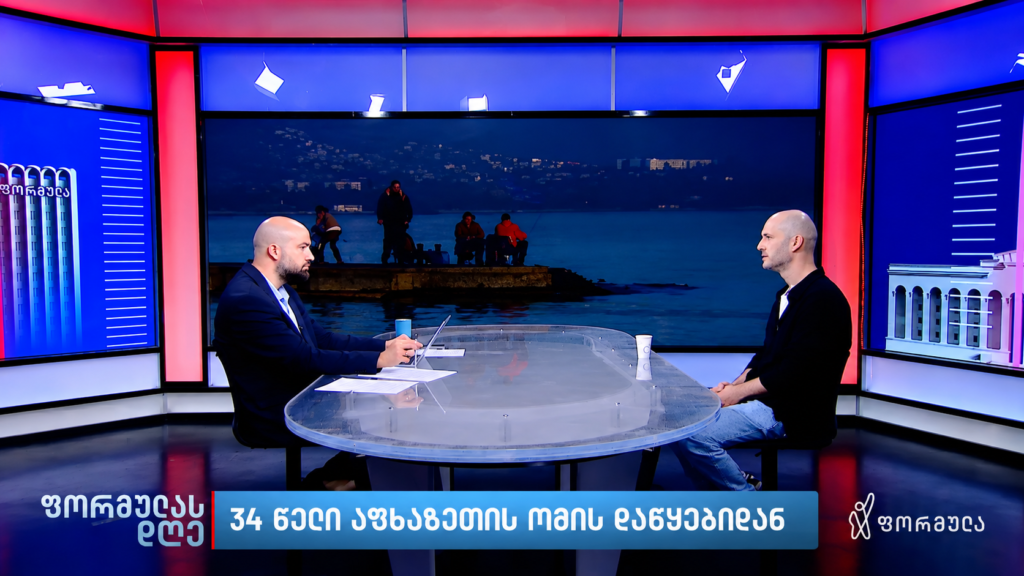
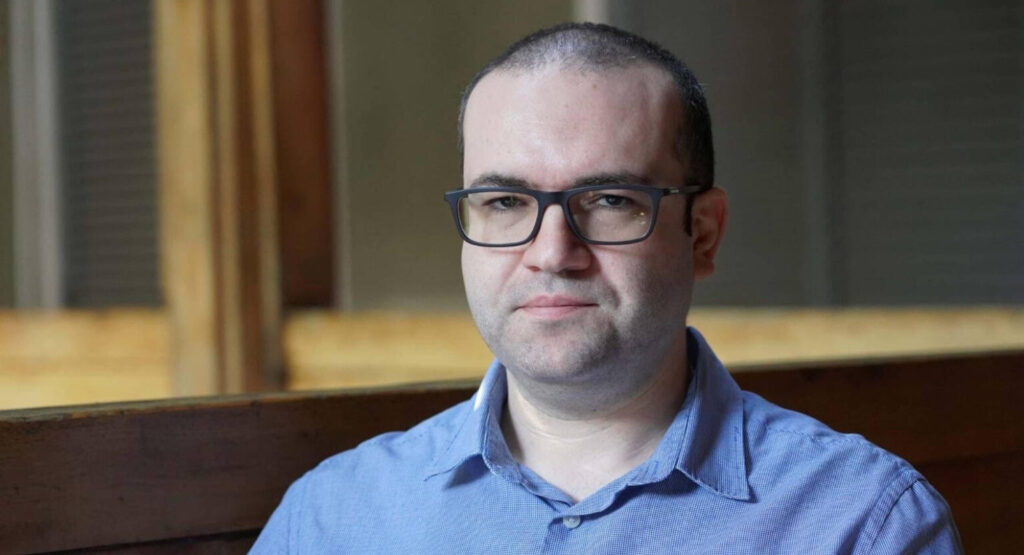
Vano Abramashvili: I think that we can talk with the Abkhaz even under the conditions of occupation. This simply requires political will and the correct formats.
Vano Abramashvili: I think that we can talk with the Abkhaz even under the conditions of occupation. This simply requires political will and the correct formats.
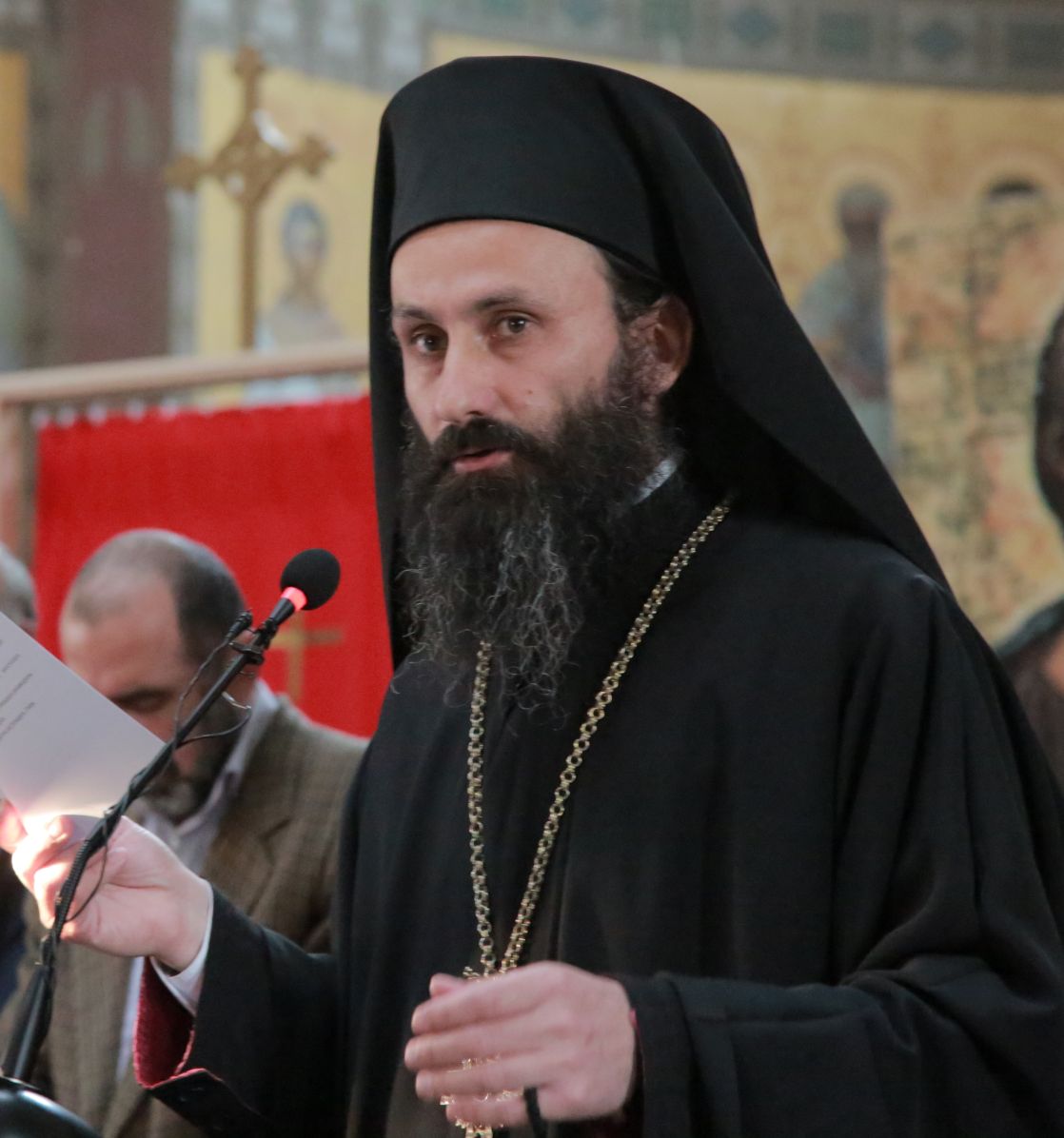
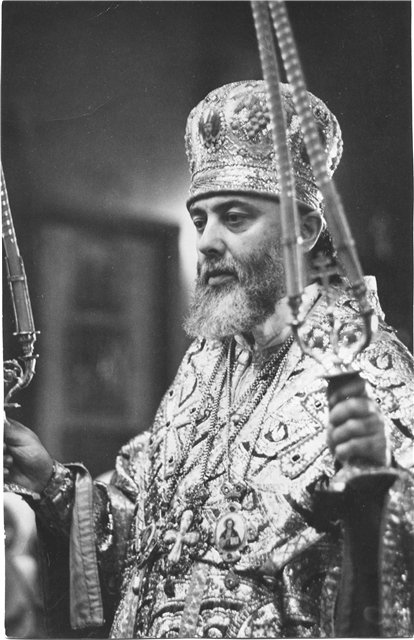
Ilia II wanted the Church to play a more significant role in the peace processes. The Patriarch was ready and interested. He often said, "Abkhazia is my pain, my love"
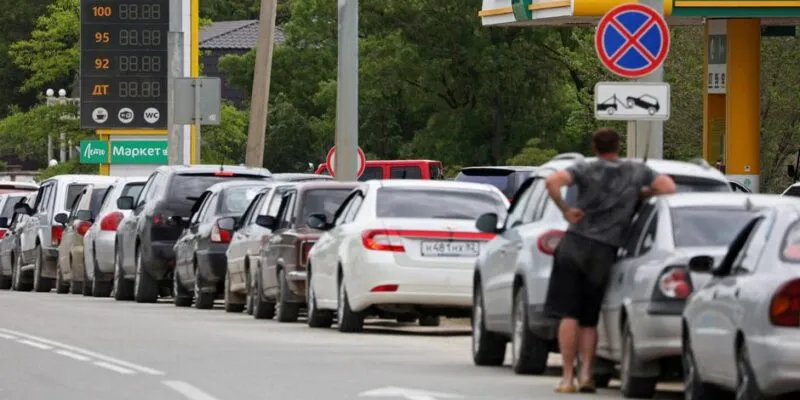
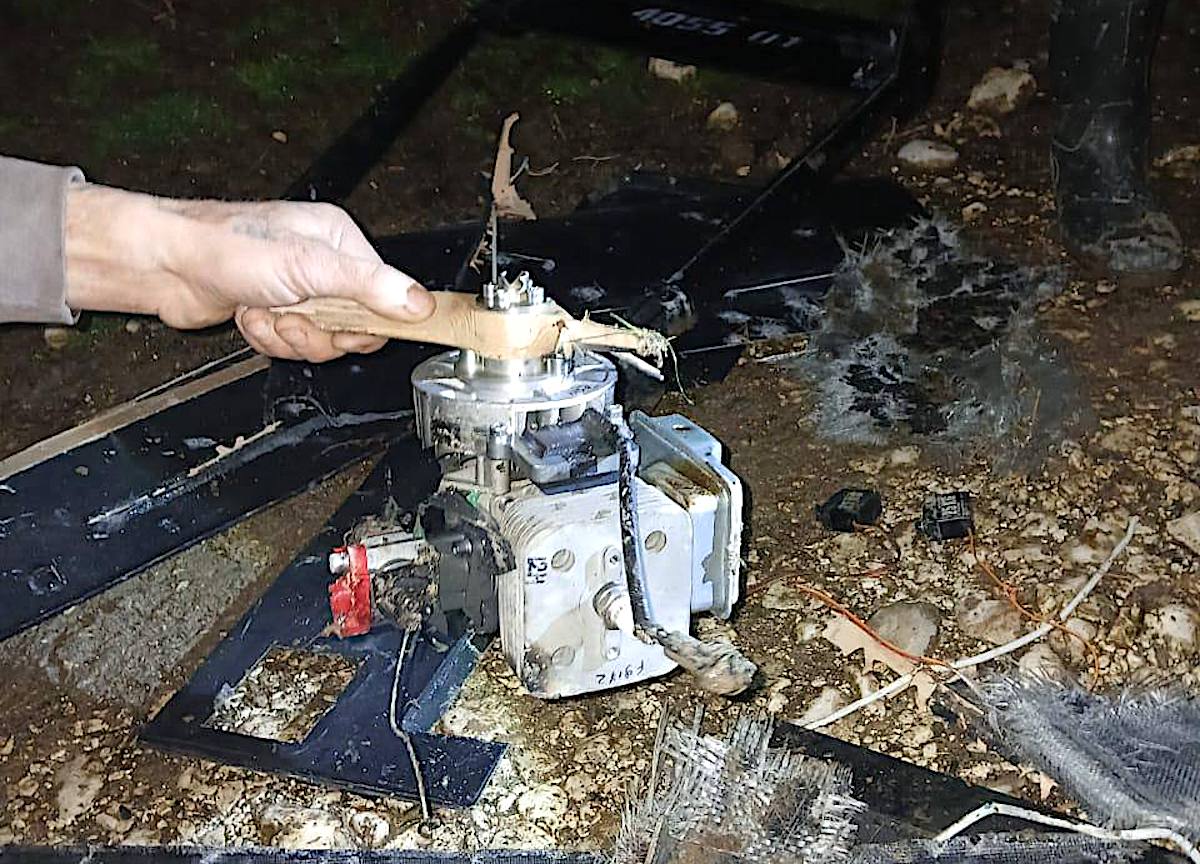
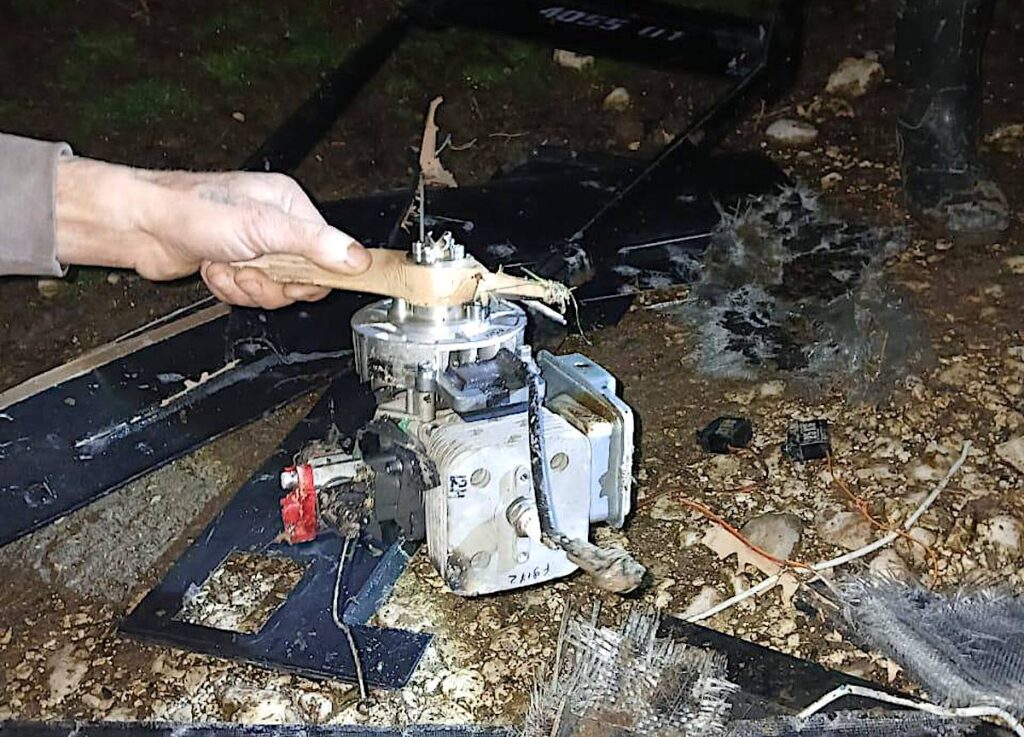
“On a formal level, such an attack could be regarded as an attack on Georgian territory, and Tbilisi should prioritize the well-being of local residents rather than Russia’s interests”