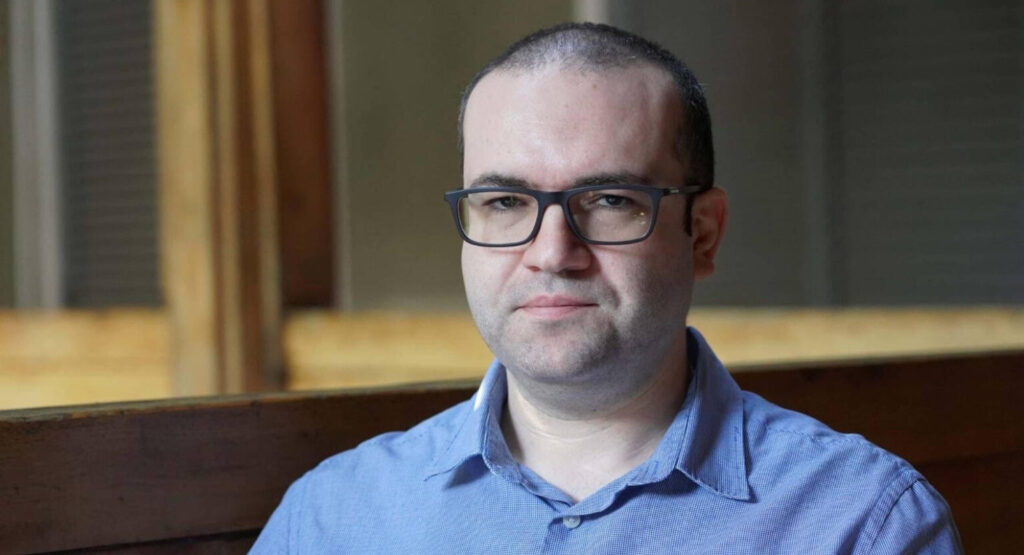
Astamur Tania: “Georgian opposition politician Nika Gvaramia’s statements on a peaceful solution to the conflict are part of domestic political struggle; the Abkhaz issue was raised only to stir emotions”
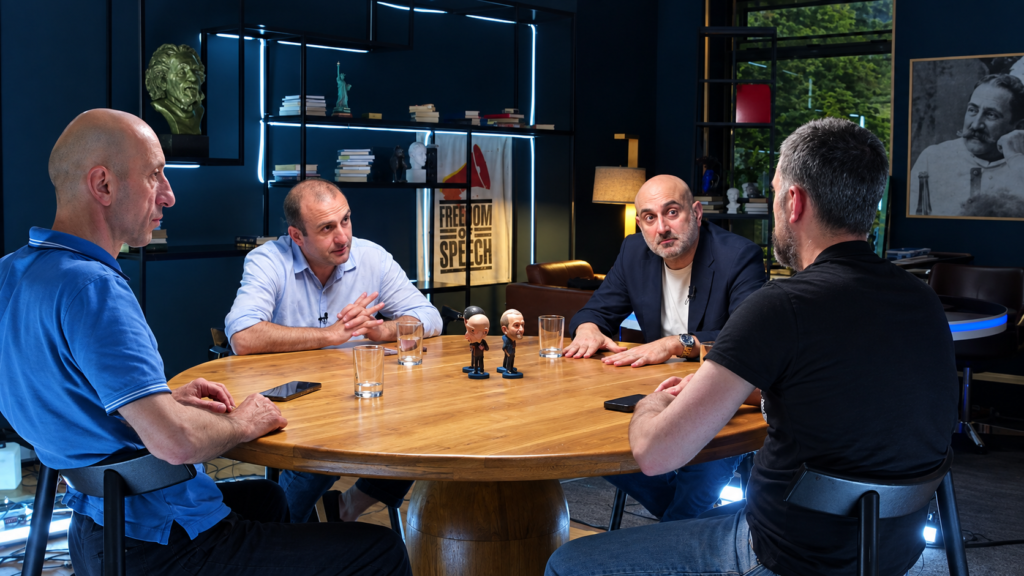
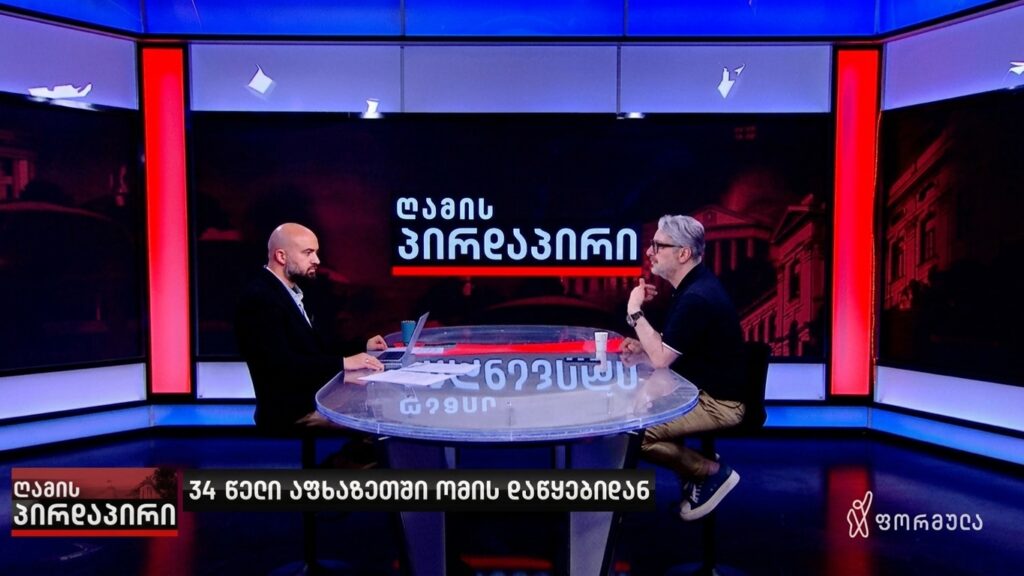
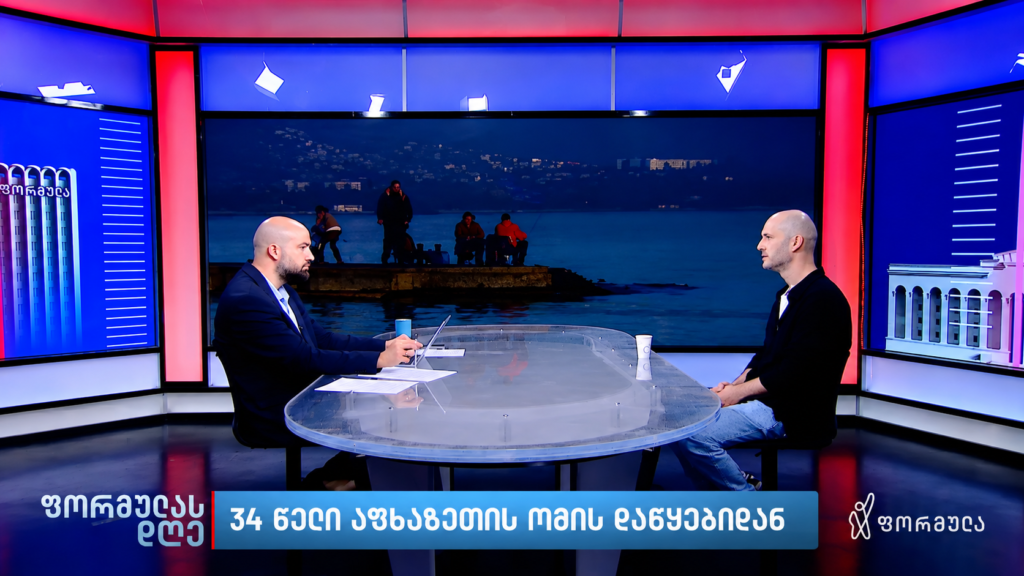
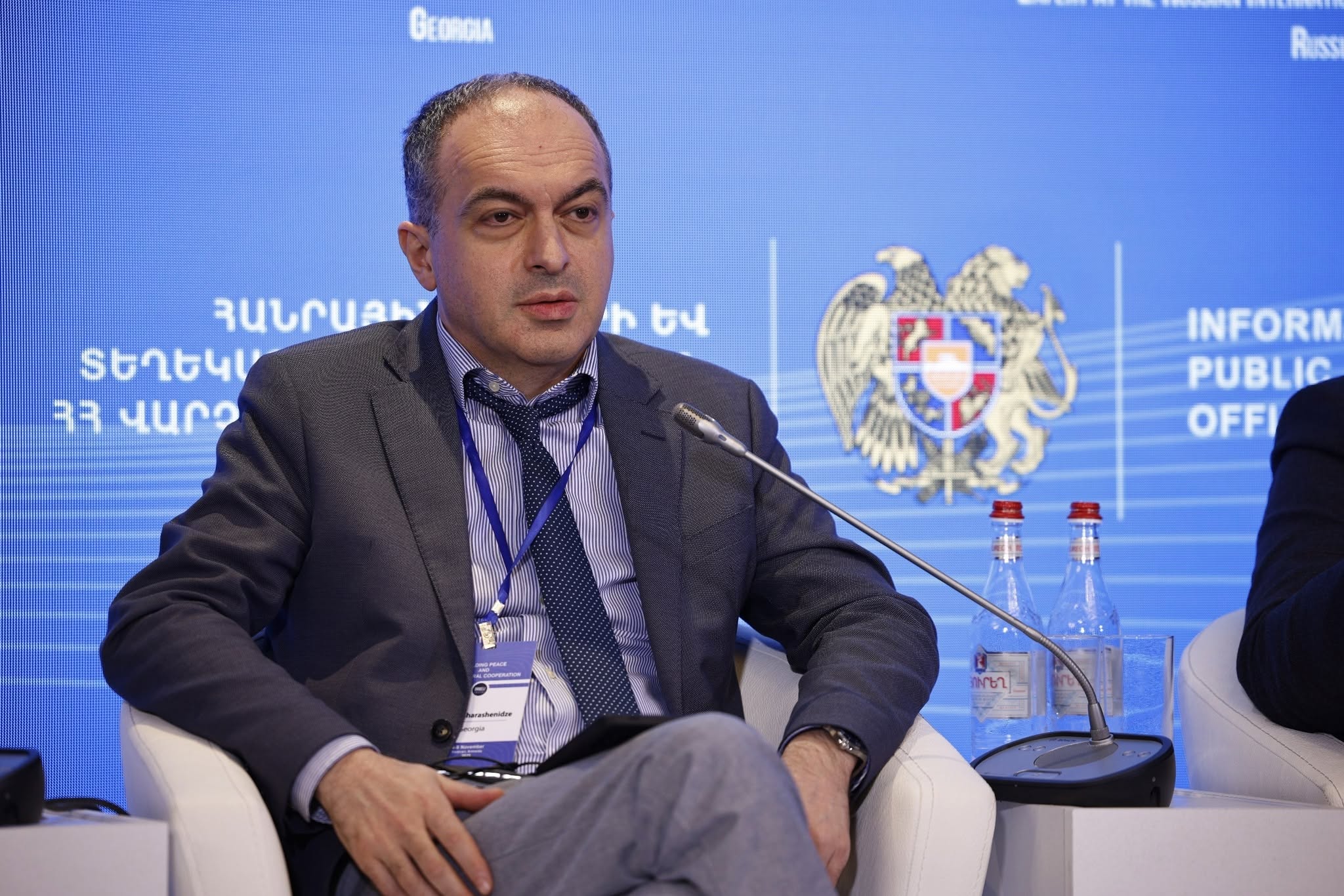
Nika Gvaramia: If we want our jurisdiction to extend over Abkhazia again, we will have to make certain concessions. But on the condition of EU membership and the existence of a state named Georgia, with its constitutional coverage of Abkhazia.
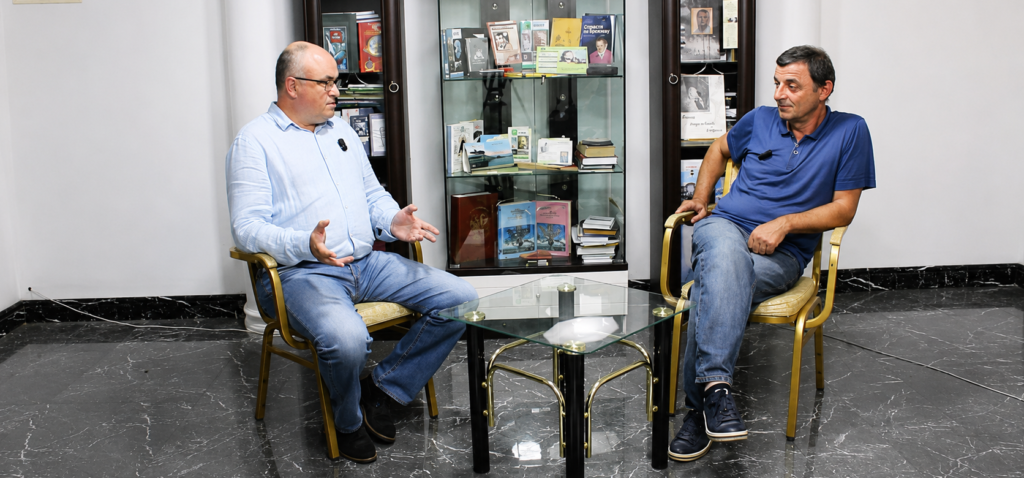
Vano Abramashvili: I think that we can talk with the Abkhaz even under the conditions of occupation. This simply requires political will and the correct formats.
Vano Abramashvili: I think that we can talk with the Abkhaz even under the conditions of occupation. This simply requires political will and the correct formats.
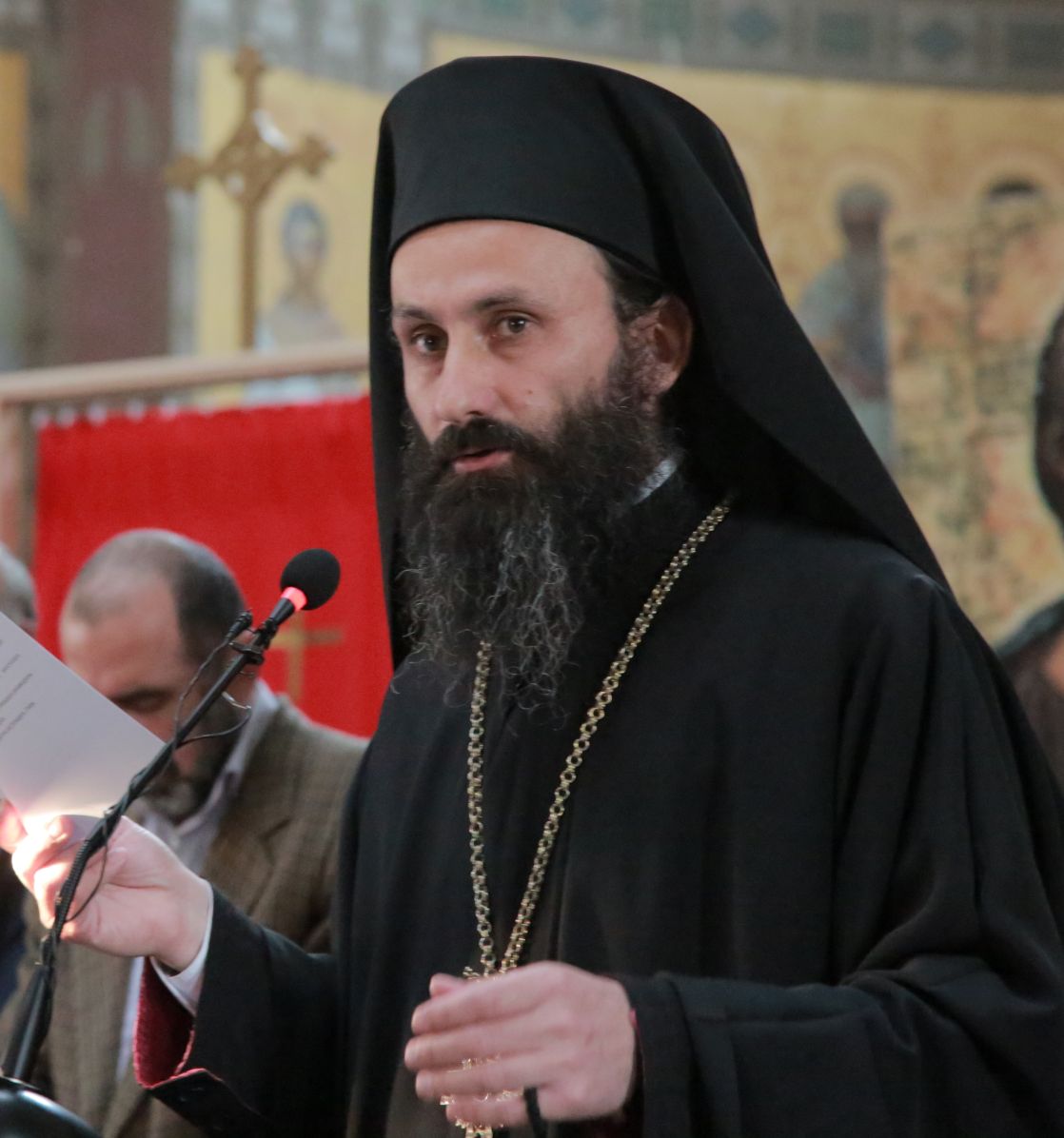
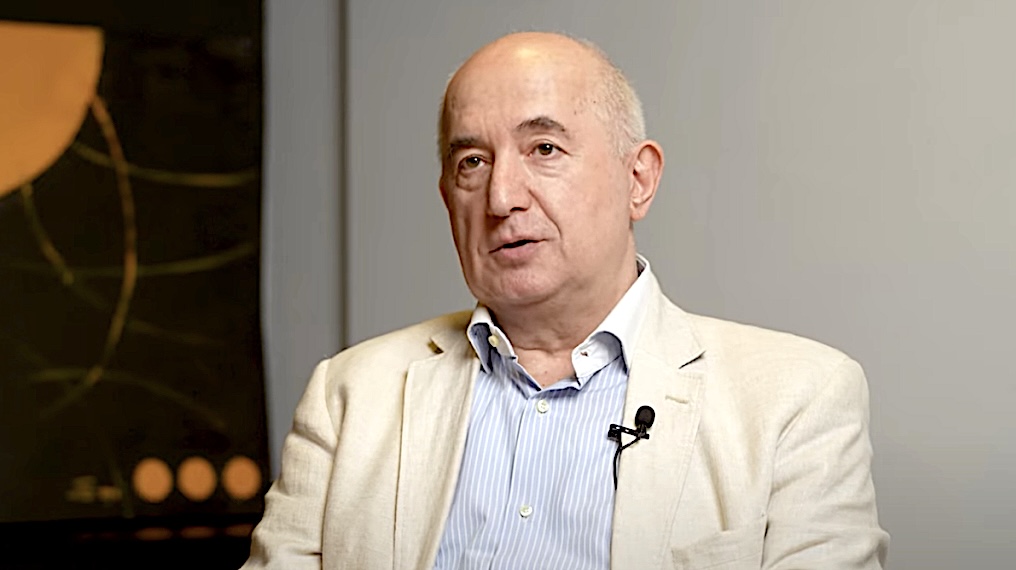
Malkhaz Toria: "Georgian and Abkhaz views of history mirror competing nationalisms. Both sides see Abkhazia as exclusively their own. Dialogue is needed—not to change minds, but to foster deep mutual understanding"
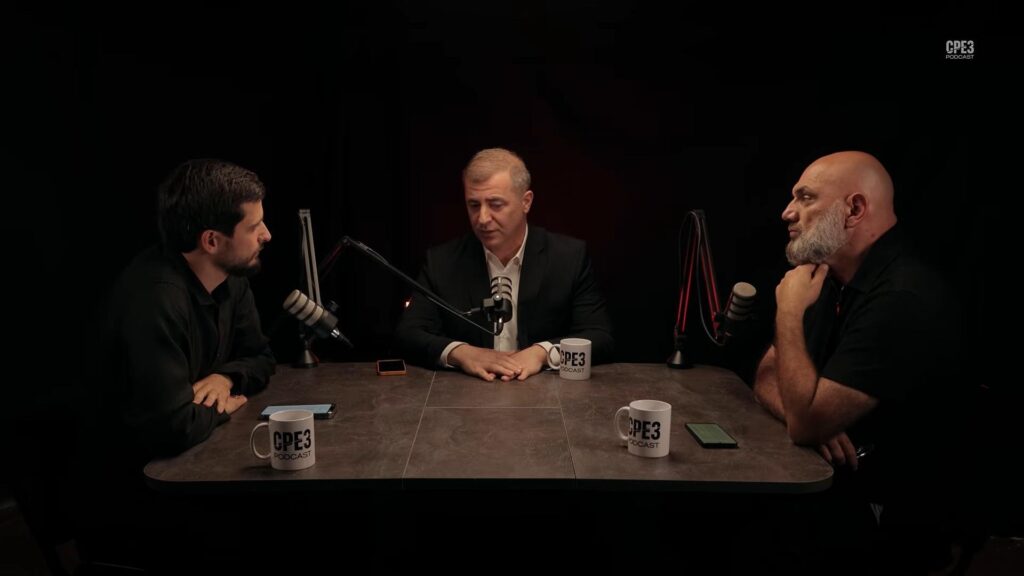
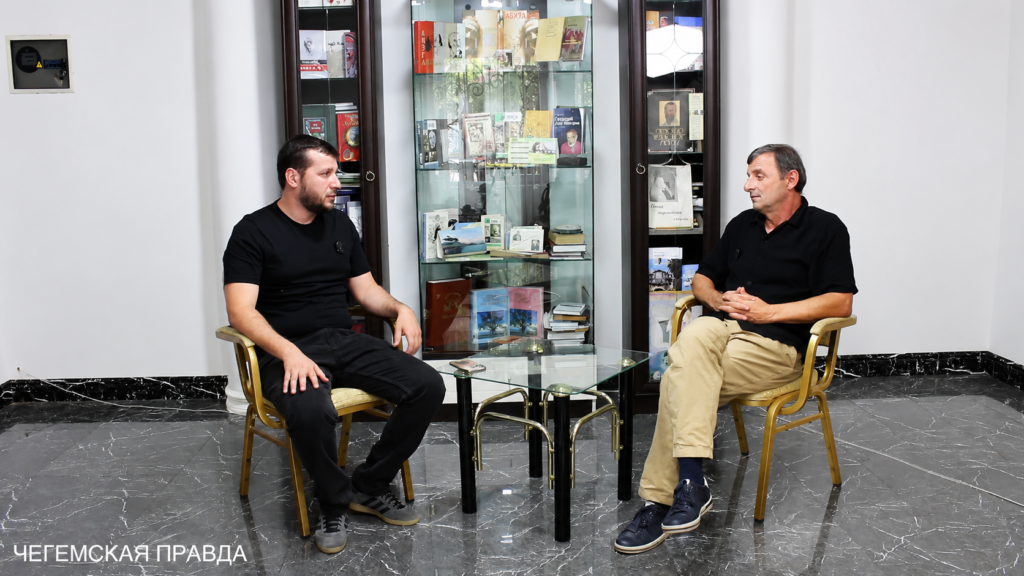
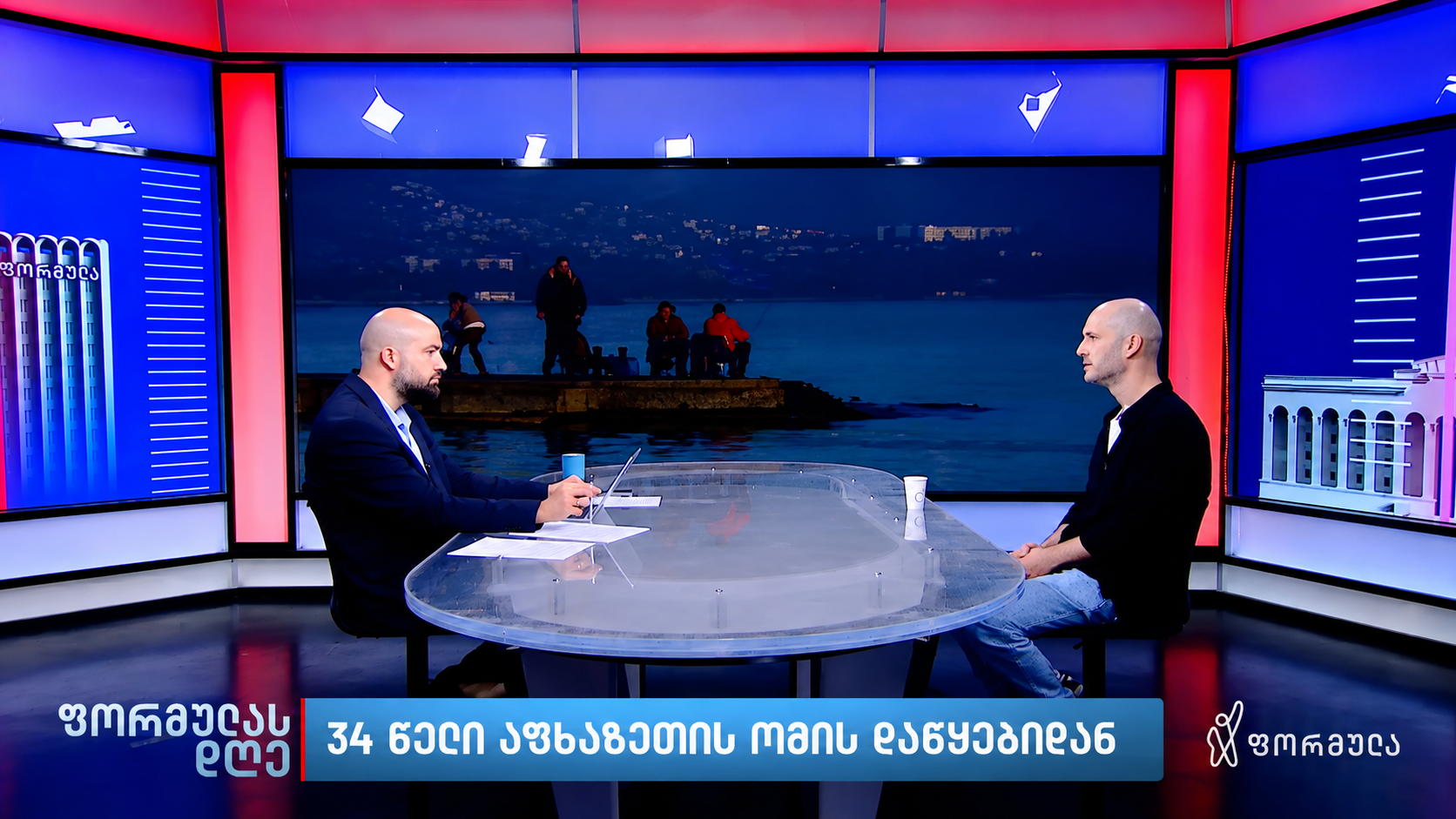
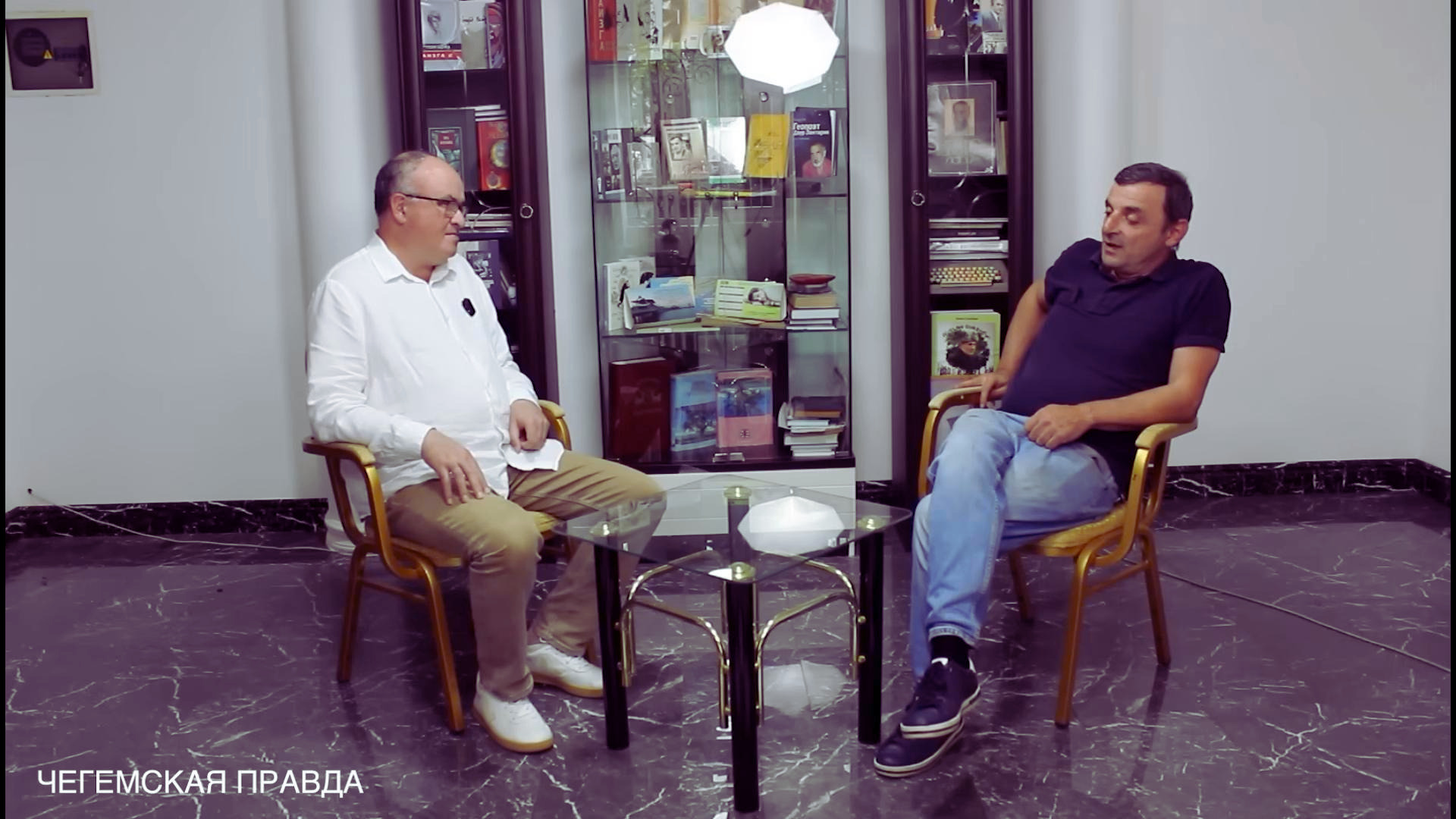
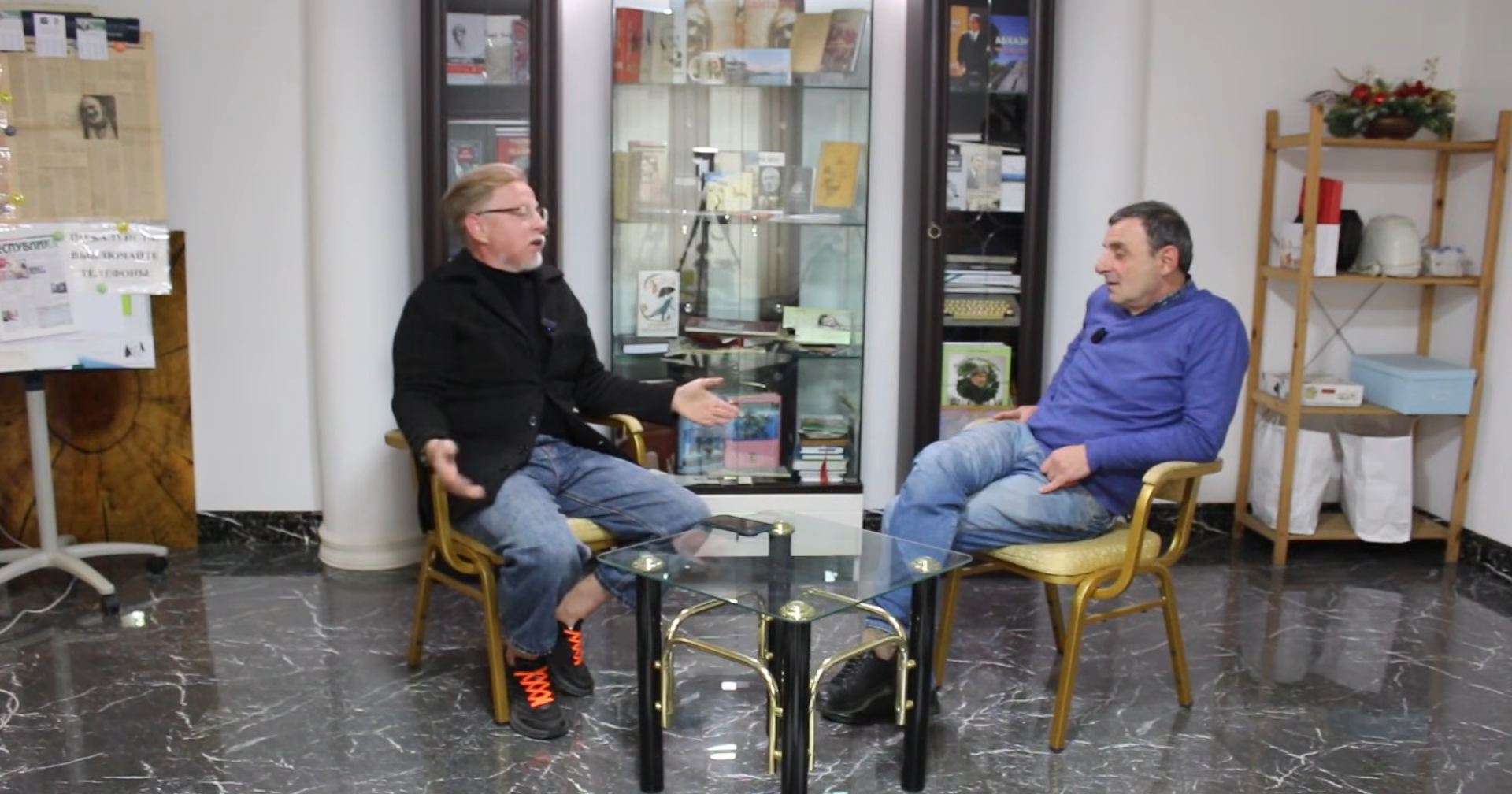
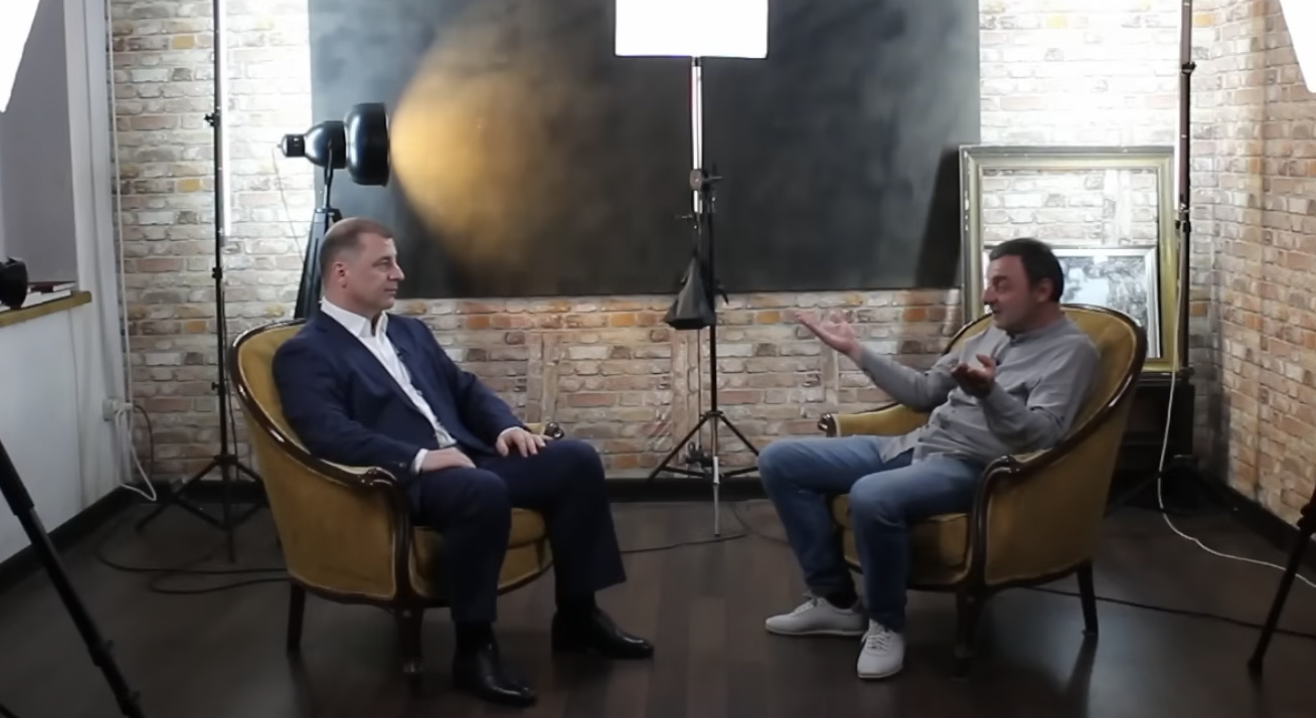
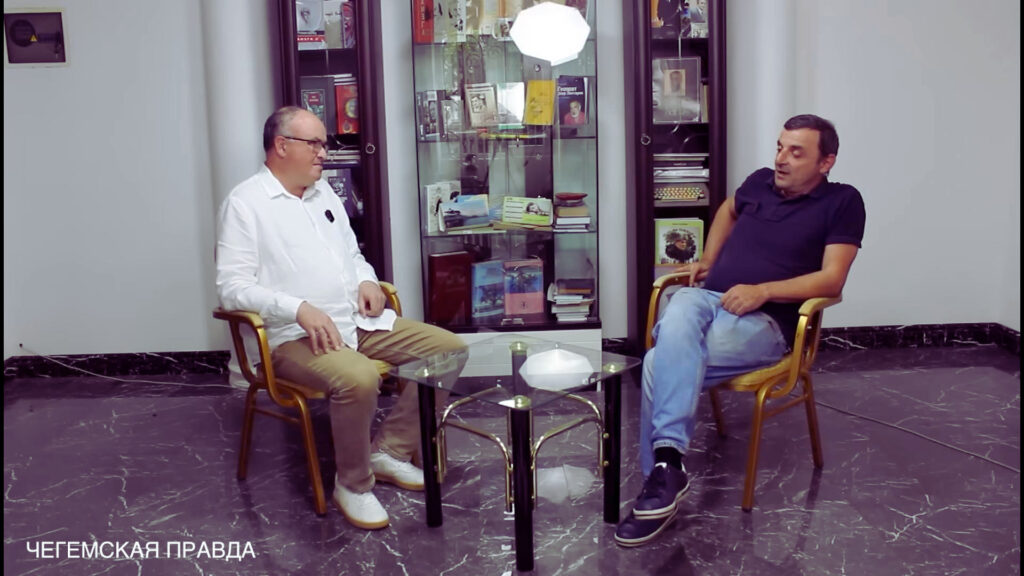
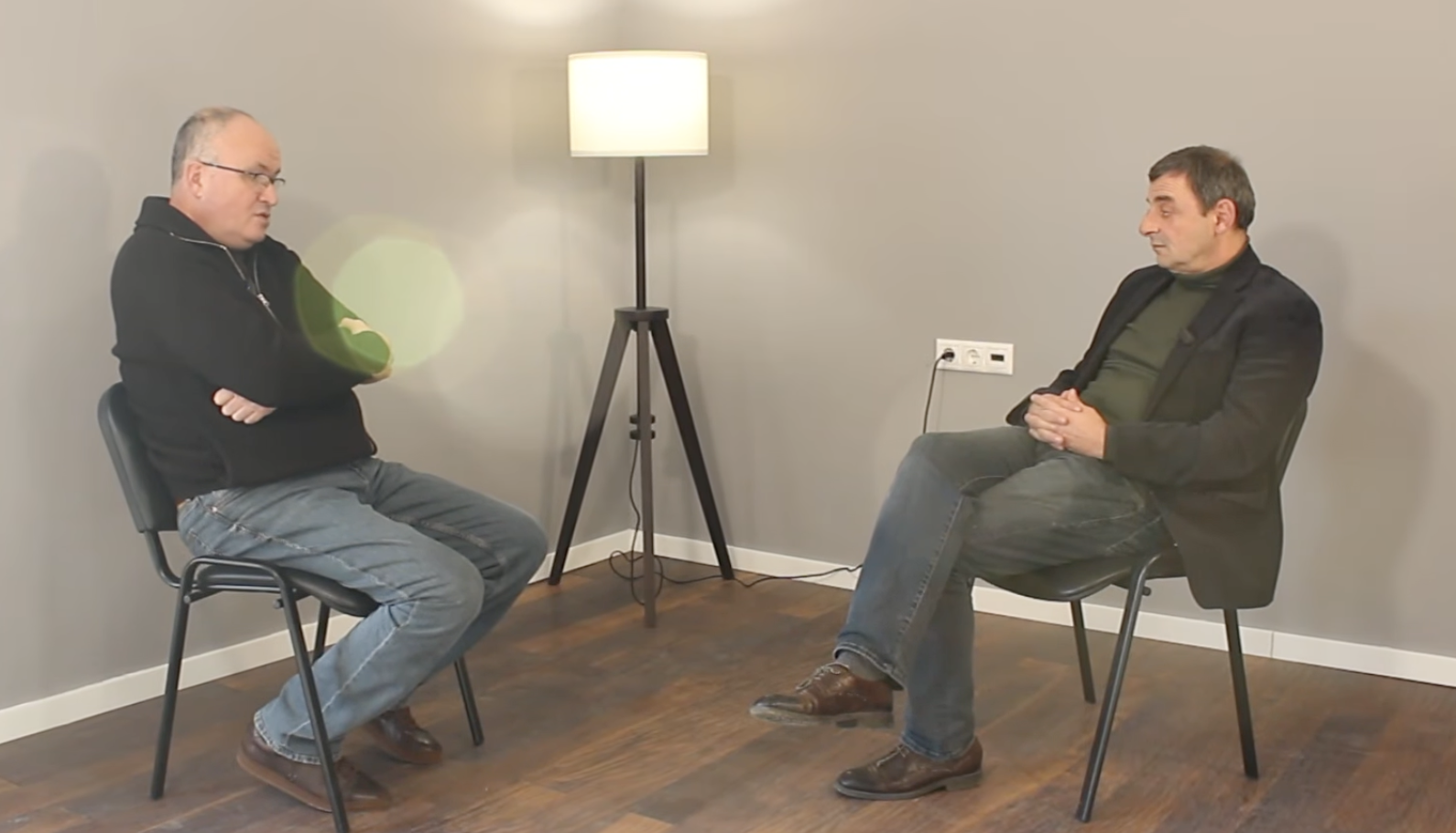
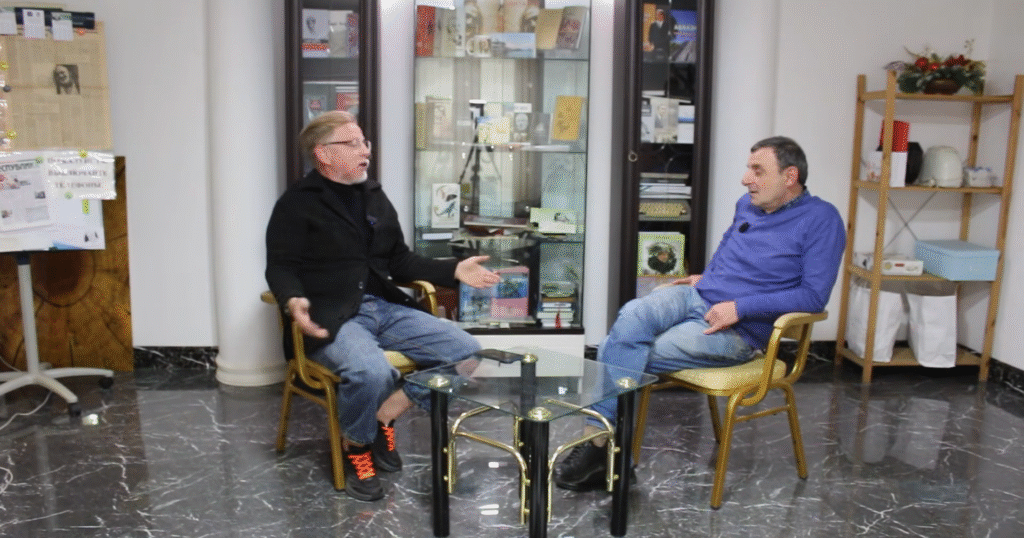
Inal Khashig and political analyst Astamur Tania discuss the sharp increase in aggressive rhetoric regarding Abkhazia within the Georgian segment of social networks.