







Georgian-Abkhaz Dialogue
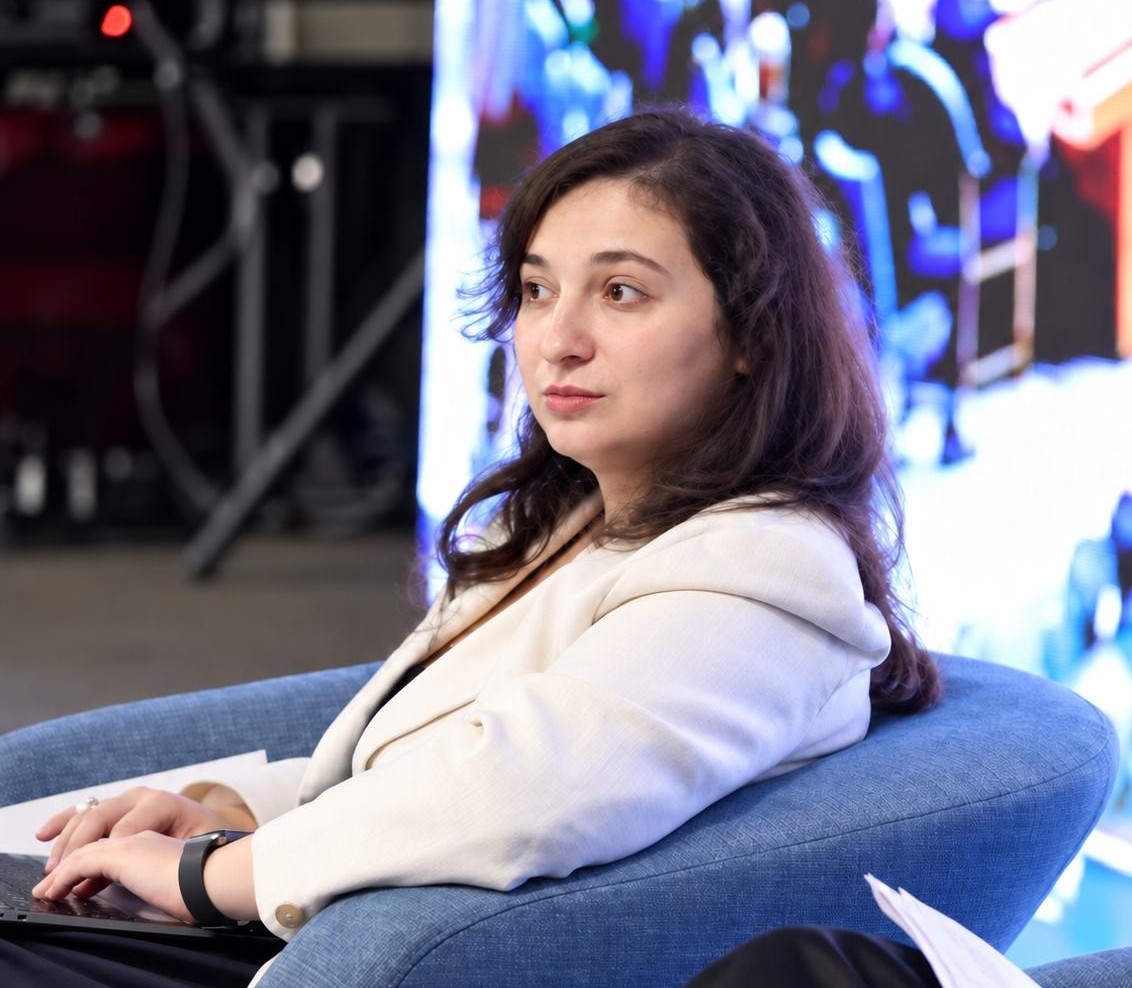
The involvement of young people in the peace process has always carried particular weight and significance. When describing this generation, it is consistently emphasized that they did not participate in the armed conflict, although the war nevertheless left a negative mark on their childhoods and lives. Today, peace policy is facing a certain crisis, while young people’s interest in and involvement with these issues face a number of challenges. We spoke with Eleonora Tchania, a peace and conflict researcher, about the role of young people, their interests, and their perspectives.
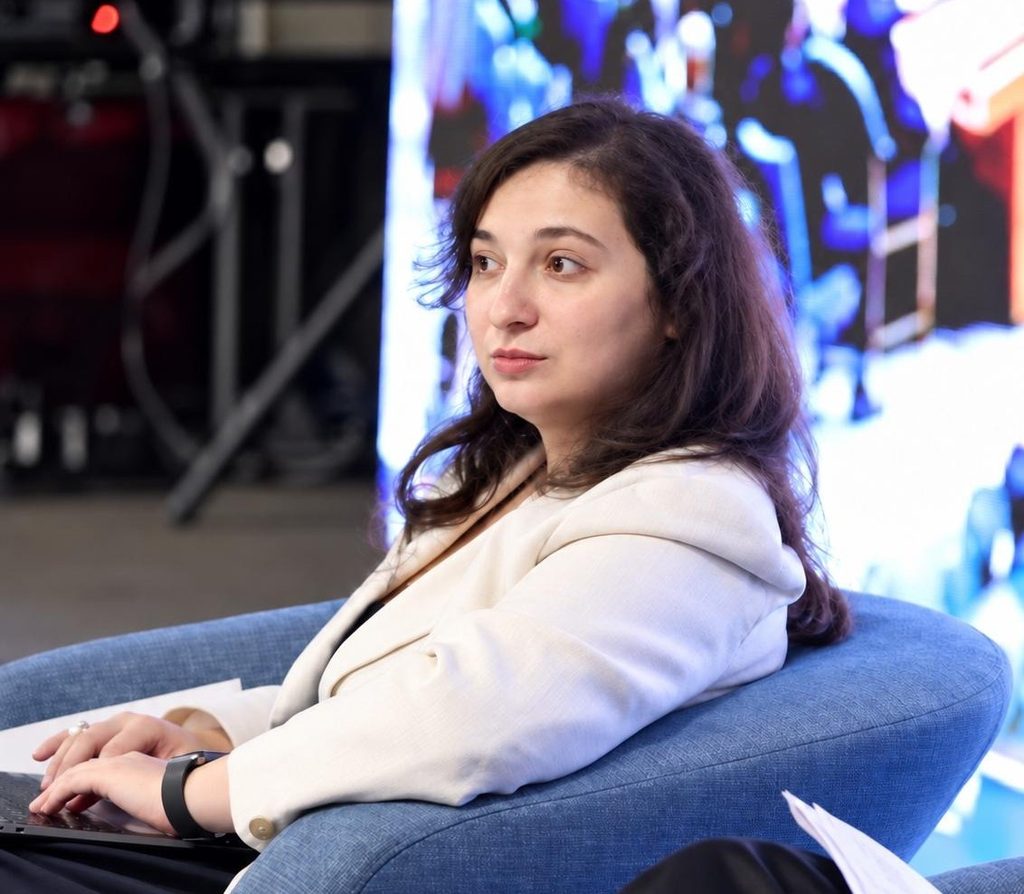
Question: How would you assess the peace processes today? Where do we stand, and what problems do you see?
Eleonora Tchania: I think that, first and foremost, it is important to distinguish between the different levels of peace policy and then assess how these levels relate to and interact with one another.
First, it is important to examine the attitudes of state institutions themselves toward peace policy. How do they assess the approaches adopted so far? Are they trying to continue them or change them? They may believe that as little attention as possible should be devoted to this issue. It is also important to determine the extent to which they are trying, or managing, to adapt or transform their policies in light of geopolitical realities.
The second level encompasses the civil society sector and academic circles. At different times, this so-called informal space has had a certain influence on peace policy. Today, however, the question is how this group is represented: as part of peace policy, as an instrument of it, or as an activist element? Does it have the resources needed to influence peace policy?
The third level is society and its citizens: Georgia’s domestic public sphere, with its attitudes, experiences, and perceptions of conflicts.
Given the current situation, I have the impression that these three levels have become significantly disconnected from one another. In previous years, efforts were made to establish links between them, to the extent possible, but today this space for interaction has weakened. In my view, this is due to various laws adopted in recent years and domestic political developments. Another factor has been the adaptation of state institutions to geopolitical changes.
Nevertheless, I believe there are still opportunities to continue working. I am referring to research and initiatives related to confidence-building, as well as work concerning the experiences and needs of people affected by conflict and public attitudes toward them.
It is particularly important to continue working with communities living near the “dividing line,” including young people. These are the people who experience the everyday consequences of the conflict firsthand and are particularly vulnerable to various developments, including in terms of information security.
The ongoing outflow of people from these territories also requires attention. This process affects people’s living conditions, the future of communities, and the depopulation of strategically important areas.
At the same time, it is essential to strengthen dialogue and restore and maintain trust between Georgian-Abkhaz and Georgian-Ossetian communities.
We all live in a changing political and geopolitical environment, and there is much for us to discuss. This includes questions about where and how we see ourselves, what prospects we envision for continuing our relationships, and how these communities perceive themselves amid these changes. Has their social fabric changed? What are the prevailing attitudes?
Particular attention should be devoted to youth dialogue in this process: dialogue between generations born after the war who have no experience of living together. They grew up surrounded by enemy images, myths, and legends, and in their everyday lives, they have neither a clear understanding of one another nor mutual trust.
It is important to give young people the opportunity to speak for themselves about their experiences, identities, everyday challenges, and the future. This should include discussing what kinds of connections their respective communities might establish with one another.
As for relations with state institutions, this process is fraught with numerous challenges. Today, I often have the impression that the continuation of specific initiatives depends largely on the goodwill of institutions and the decisions of individual officials.
It is understandable that they exercise caution. This is nothing new for people working in this field. However, some decisions made on security grounds hinder peace initiatives in practice. These include obstacles to dialogue and academic research.
This is precisely where the key question arises: to what extent does the current security approach leave room for activities that are supposed to serve confidence-building and peace in the long term?
Most critically, the current situation calls into question the very survival and continued existence of the field of conflict and peace research in Georgia. Obstacles to the production of knowledge and information threaten a field in which, for more than thirty years, diverse experiences and perspectives have been accumulated, peacebuilding approaches and political prospects for conflict transformation have been developed, local and regional peace initiatives have been implemented, and opportunities for confidence-building and dialogue have been created.
An important part of this field consists of the relationships and connections established over many years with Abkhaz and Ossetian communities, including forms of access and trust that were often available only to individuals and organizations working in this field.
The weakening of these connections does not simply mean the suspension of individual projects; it threatens accumulated knowledge, the experience of maintaining relationships, and the possibility of continuing dialogue.
That is why preserving this field and protecting its knowledge, human connections, and institutional memory are critically important. This field is not homogeneous: it accommodates different and sometimes opposing perspectives. It is precisely this diversity that provides the basis for understanding conflicts, critically assessing existing approaches, and exploring new opportunities for peace.
Question: Let us consider young Georgians. How much knowledge and information do they have about these conflicts? And to what extent does this segment of society have the potential to become involved in peace processes in the future?
Eleonora Tchania: For young Georgians, conflicts are more of an emotional issue, and they tend to be less informed about them. Their emotional response to this subject is strong, but their knowledge does not always match the intensity of those emotions. We see this in various forms, including on social media and during sporting and cultural activities. Their emotions are also predominantly negative, in the sense that these issues are associated with pain and lost territories.
Their perceptions are heavily influenced by the narratives present in educational and public spaces. At the same time, polarized and sometimes radical arguments are common both in academic discussions and on social media. In such an environment, young people find it difficult to connect different perspectives and identify a common ground that would help them participate in dialogue in a thoughtful and informed way.
For this reason, when they do become active, their initial motivation is primarily personal. They want to learn more about the conflict, reassess their existing assumptions, better understand their own attitudes, and develop greater self-awareness.
When meeting their Abkhaz or Ossetian peers for the first time, some young people feel that they are representing the state and are, in a sense, taking part in negotiations. Such expectations often make the first encounter more difficult and sometimes lead to disappointment. During subsequent meetings, this perception gradually changes: young people become better able to find their own voices and establish more direct, personal relationships with one another.
Question: Let us turn to cooperation. What topics would you identify as areas in which young Georgians could cooperate with their Abkhaz peers? What issues could help reinvigorate the peace process?
Eleonora Tchania: I believe that an important basis for cooperation could be the challenges young people face within their own communities. Discussing these issues together would allow them to see the bigger picture, understand one another’s experiences, and identify opportunities for cooperation.
This is a different generation with its own problems and needs, and its members are trying to find solutions themselves. Potential common topics could span a wide range of areas, from everyday social issues to the traumas of the past and ways of coping with them. Mental health challenges are particularly important. Young people have a great deal of experience they can share with one another on these issues.
We are talking about a generation that had not even been born when the war took place. They did not participate in the origins of the conflict, yet they live in an environment shaped by its consequences and have to find ways to cope with them.
Another promising area would be joint research into cultural heritage. Georgian and Abkhaz communities preserve different parts of a shared history. Exchanging these materials and perspectives would help young people develop a fuller and more multifaceted understanding of the past. Archival materials or cultural artifacts preserved on our side might be important to them, while they may possess materials that are valuable to us but inaccessible. This also applies to the academic sphere: traces of longstanding connections still exist and could serve as a foundation for cooperation.
Another area involves digital technologies and the challenges associated with artificial intelligence and disinformation. These issues are increasingly shaping young people’s everyday lives and create opportunities to identify shared interests.
It is also important to talk about the future. Today, the future is uncertain for many young people, both within our communities and globally. Where do they see themselves in the coming years? What kind of lives do they want, and what opportunities do they need to achieve their goals? Discussions of these questions could become an important starting point for cooperation.
Question: In what ways are Georgian and Abkhaz young people alike, and in what ways do they differ?
Eleonora Tchania: What they have in common is that young people on both sides want to improve their lives and make them better. In many cases, they share common values, democratic outlooks, and an interest in social justice and well-being.
I should also note that my interactions are with a relatively small circle of Abkhaz young people, so I cannot generalize my observations to an entire generation. Nevertheless, for these young people, improving the social environment in their own communities, making institutions function better, and improving social conditions are important priorities.
I also see shared interests in relation to cultural change, stereotypes, and societal expectations.
The main difference I see is that Abkhaz young people tend to be more engaged in community-oriented work within their own society.
I see this less in our case. For young Georgians, the main source of frustration is our country’s foreign-policy orientation. Abkhaz people, however, tend to speak less about this issue themselves. They avoid discussing their relationship with Russia and the questions surrounding it. Instead, they focus more on Abkhazia’s isolation. For our society, pursuing European integration and reflecting on that process are important priorities. We have seen that the significant civic mobilization of recent times has also been connected to this issue rather than to domestic social concerns.
The young Abkhaz and Georgian generations grew up in different contexts. Abkhaz young people have greater exposure to Russian culture and elements of mass culture, study at Russian universities, and experience a higher degree of assimilation. We still have greater access to Western education. Although the Russian cultural space is more familiar to them, I nevertheless see common ground in terms of values and everyday interests. I believe the digital environment, the media, and social networks contribute to this, as young people often encounter similar topics and experiences through these channels.
Of course, neither society is homogeneous, and young people cannot be treated as a single, uniform group. For example, observations of social media suggest that the influence of Russian cultural space and the broader Caucasian cultural sphere is more pronounced among Abkhaz young people. Even so, this does not rule out shared interests or the possibility of mutual understanding.
My personal experience also creates a particular dynamic. As someone from a family displaced from Sukhumi, I have often had more common ground to discuss at the beginning of a dialogue, especially with older generations. They have experience of living alongside Georgians and interacting with them, which makes it easier to start a conversation. Young people, by contrast, often lack this kind of direct experience.
At the same time, I have noticed that my connection to Abkhazia can sometimes make conversations more difficult. They know that Abkhazia is an emotionally significant place for me and that my understanding of it is not based solely on perceptions formed from the outside. As a result, some Abkhaz people find it easier to interact with a young Georgian who does not have such personal and family ties to Abkhazia.