







Domestic challenges of Abkhazia
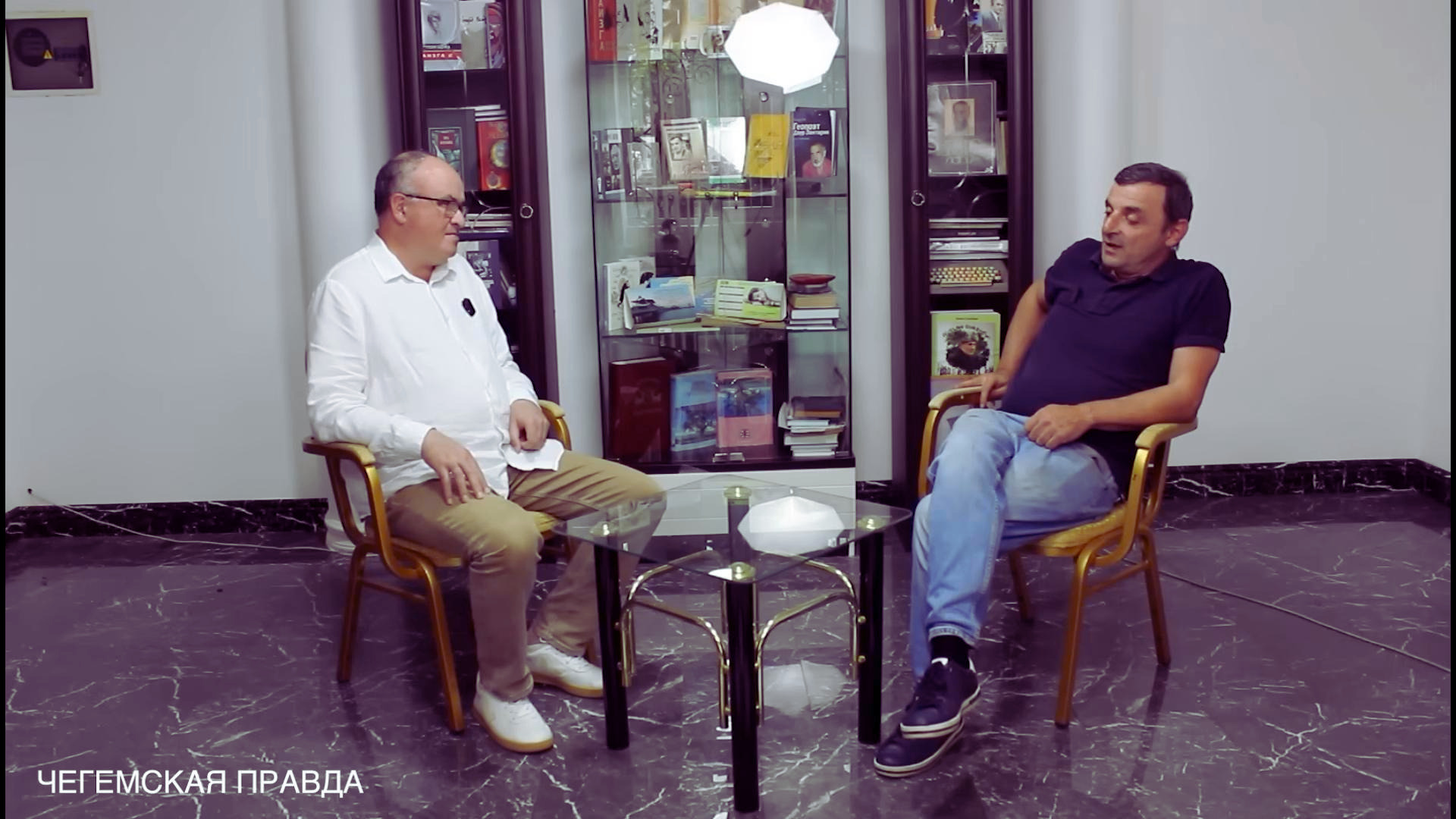
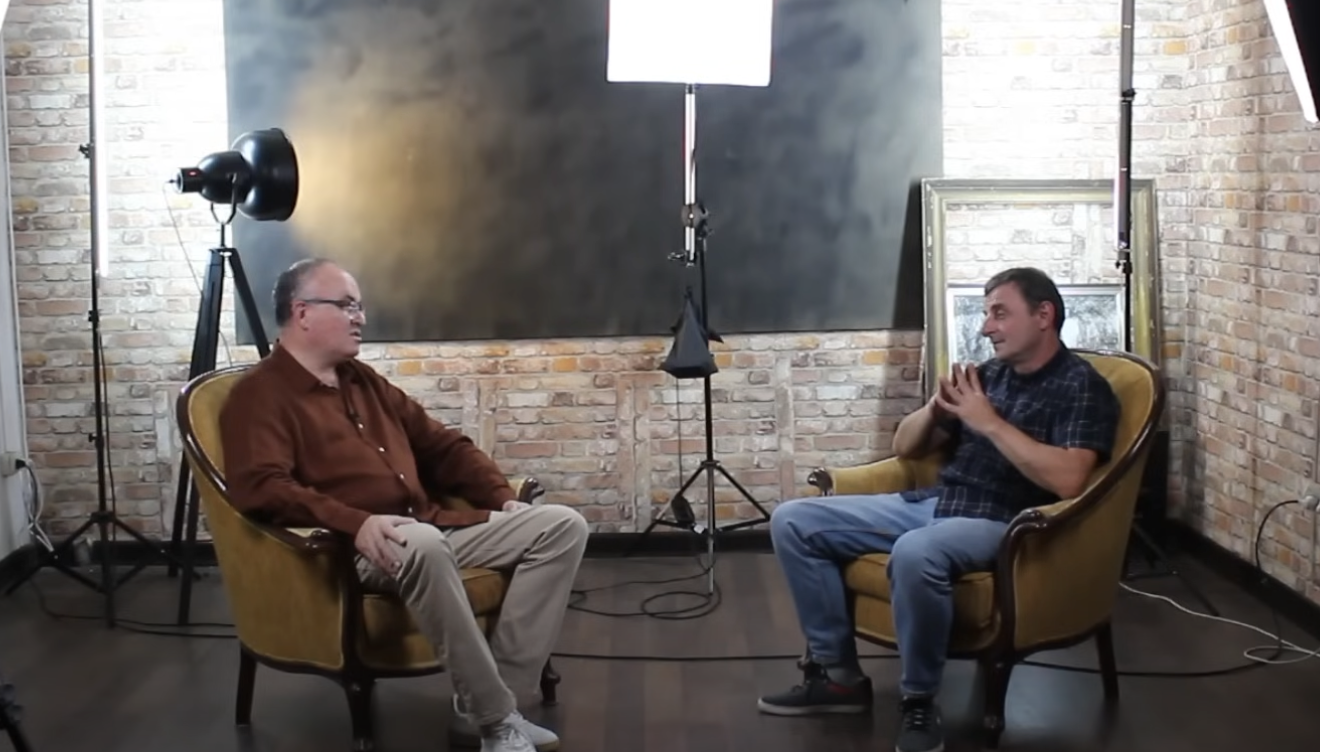
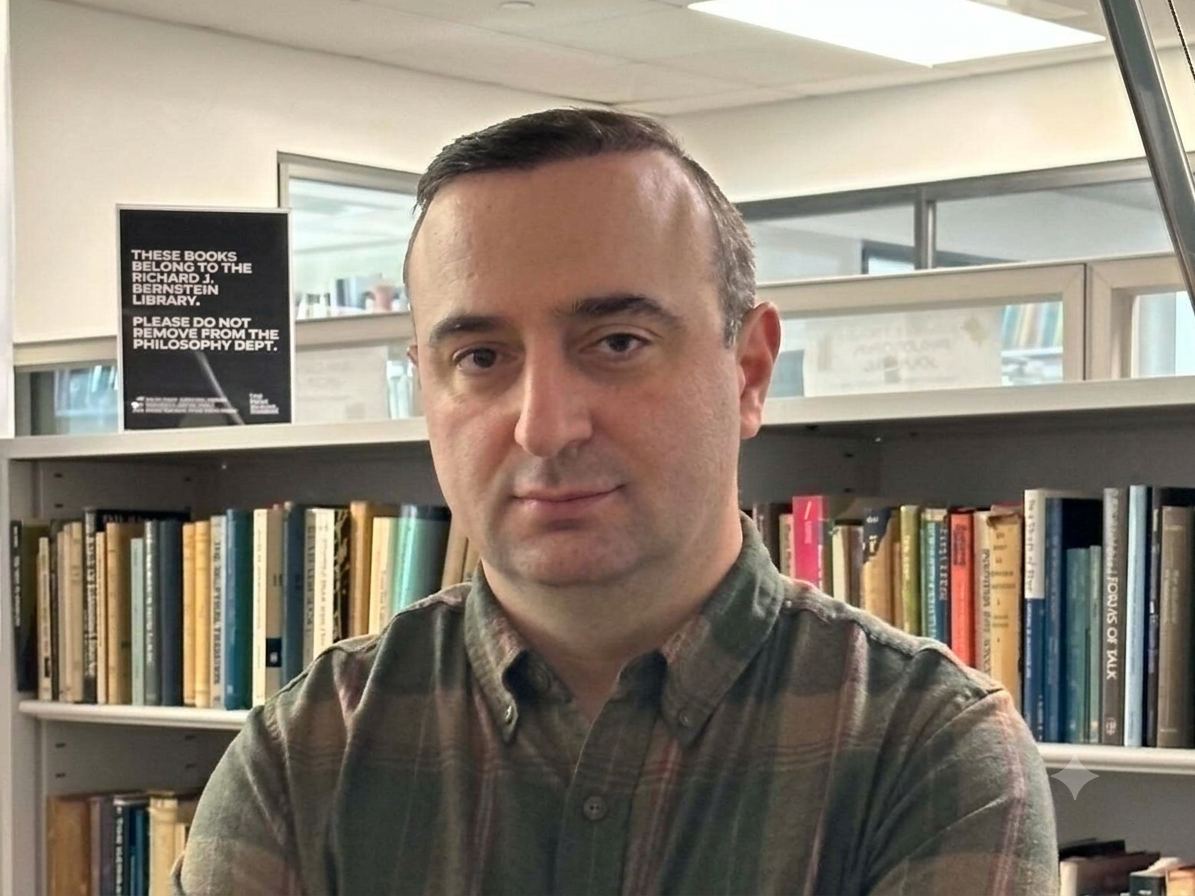
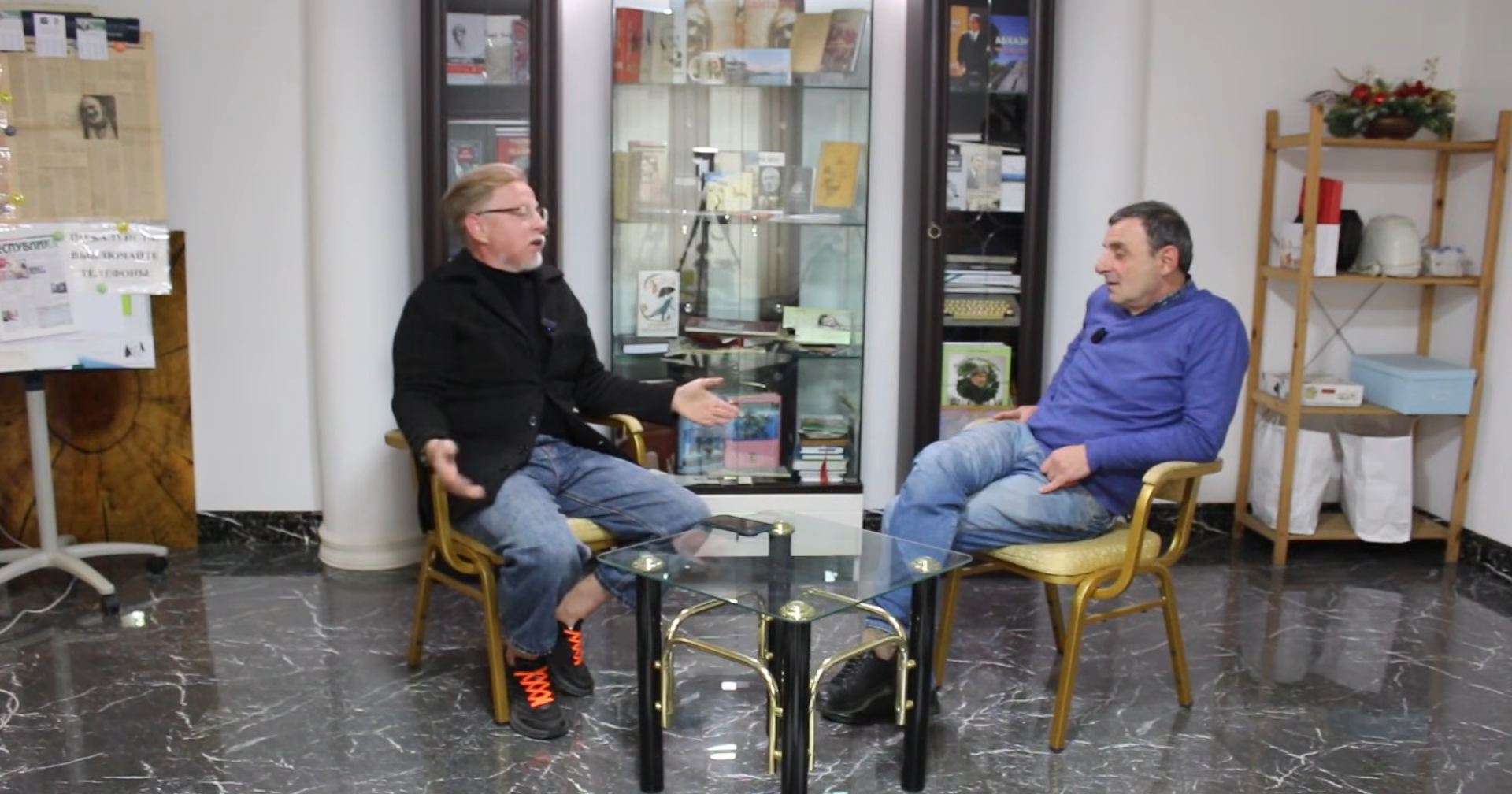
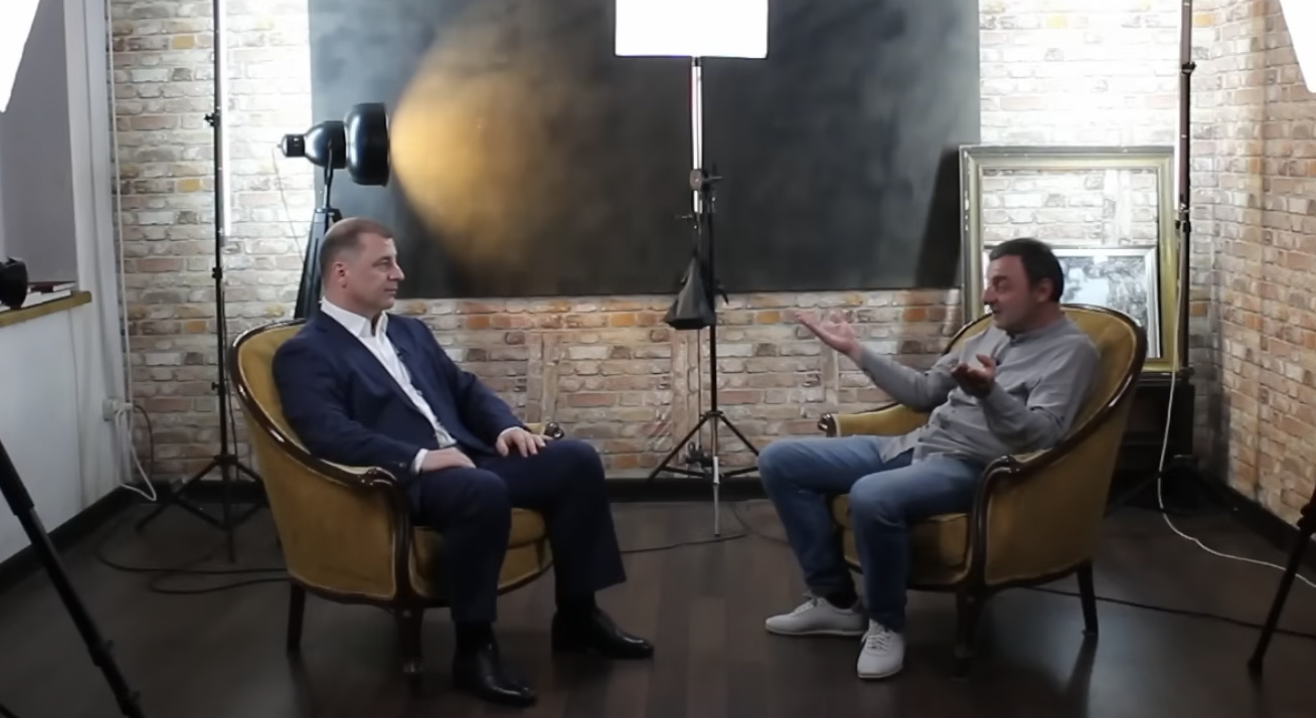
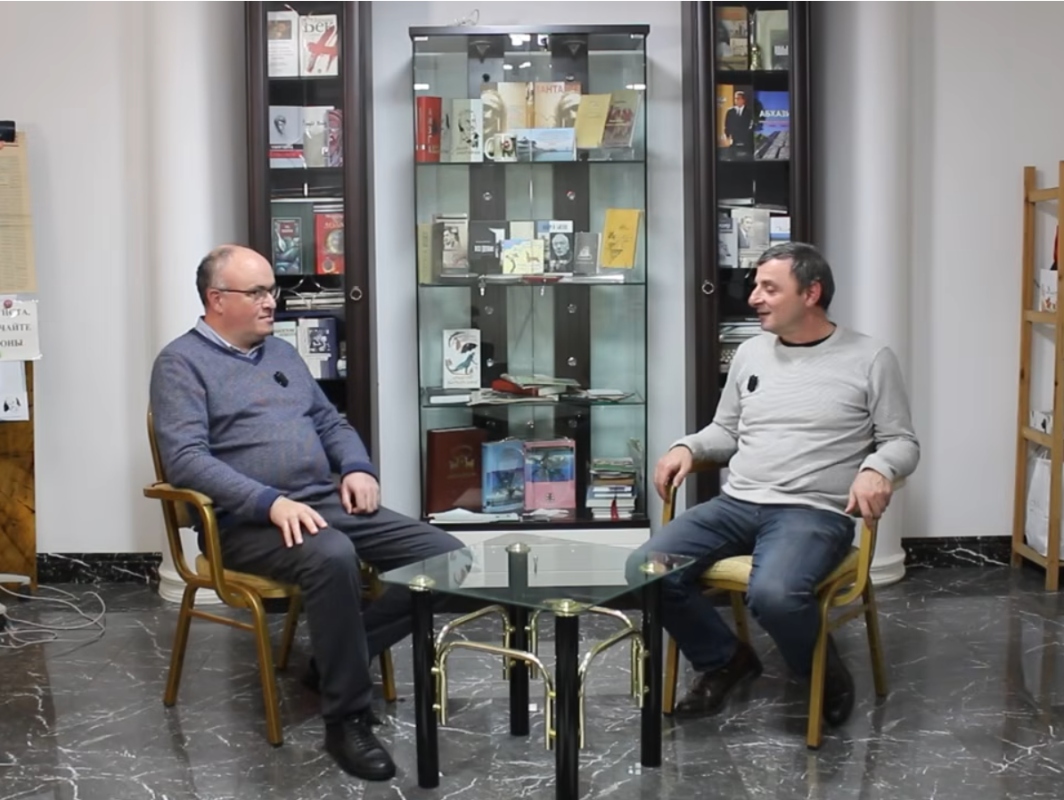
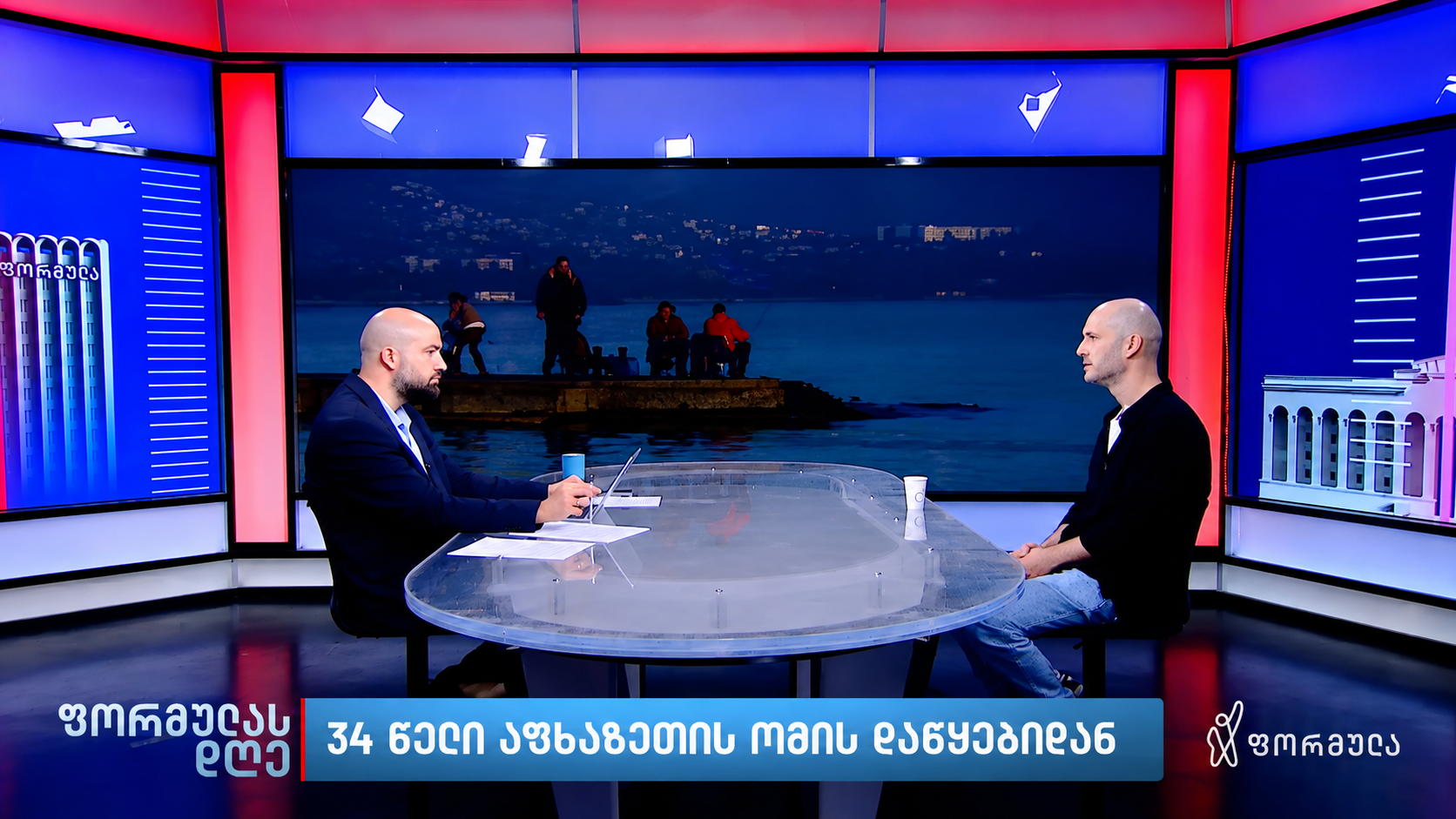
On August 14, 2026, a television interview on Abkhazia was broadcast on “TV Formula.” The conversation between journalist Irakli Kiknavelidze and conflict researcher Badri Belkania focused on contemporary Abkhazia.
Key theses:
Irakli Kiknavelidze: Today we once again have the opportunity to discuss an extremely interesting topic, and I would like to continue this conversation. Today marks thirty-four years since the start of the war in Abkhazia. What is happening in Abkhazia today? From this perspective, as a conflict researcher, how do you view the state in which occupied Abkhazia meets the thirty-fourth anniversary of the start of the war?
Badri Belkania: Greetings once again. Thank you for the invitation. It is also an honor for me to be here today, on such a tragic day for me, which, as you know, befell Georgia thirty-four years ago.
However, despite the fact that for the Abkhaz side this day is in a way the beginning of a victory, I believe that for them, too, it is in fact a tragic day. After all, the statehood they claim and talk about is under Russian stress, under Russian pressure, and this pressure is growing ever stronger.
You correctly noted, for instance, that Russia changed its tactics in Abkhazia, and this became obvious after one handler replaced another. Kiriyenko is a smarter politician, a more flexible politician. As is well known, he was born in Abkhazia, understands the nuances of the Abkhaz mentality well, and uses this very skillfully.
However, it was also fairly noted—and I agree with you—that certain laws that Abkhaz society is still more or layer avoiding… For example, the privatization of real estate, which is one of the cornerstones of their statehood as they perceive it themselves. Or that same tiresome, familiar-to-us law on agents, or the easing of conditions for Russian business—this was, after all, one of the schemes that was basically followed by Bzhania’s resignation. And now these laws seem to have been swept under the rug; they aren’t talking about them, while bringing to the forefront, for example, the law on saving the language.
The new de facto leader, Badra Gunba, also maintains a more or less stable, calm, peaceful situation and is not taking any overly sharp steps. But to all of this, which is currently in a dormant state, Russia, of course, will inevitably return at a certain point—after it takes special preparatory steps and prepares society for the Abkhaz society to make these painful concessions. Which exact law will be first, which topic will be brought back first—it is hard to guess. But the fact that this so-called honeymoon in which Kiriyenko, representing Russia, and the local Abkhaz elite currently find themselves will not last long is obvious to me.
Irakli Kiknavelidze: Part of the change in tactics was also the fact that, for instance, during the recent confrontation around Bzhania’s court, around Bzhania himself, he was opposed by forces that were quite strong by local standards—both financially and politically, right? And they had their own patrons.
I constantly observed this confrontation; it lasted for several months. Despite the fact that the official position of the Kremlin was to support Bzhania, and moreover, Bzhania was doing what the Kremlin asked him to do—this concerned the law on property and apart-hotels, mostly the part concerning property. But alongside this, the forces opposing him still acted quite boldly because they had their own allies in Moscow. A sort of Soviet model, where someone there has their own patron, right? Now, however, it seems that after the recent elections, when Vice President Badra Gunba was suddenly pulled out of nowhere…
Badri Belkania: Not out of nowhere, but…
Irakli Kiknavelidze: He was vice president, but he never manifested himself anywhere.
Badri Belkania: He was not politically active.
Irakli Kiknavelidze: Yes, he was not politically active. In Moscow, it was as if they saw the very essence of the problem: they cut off these outlets, and now Kiriyenko decides everything. Is it correct to consider it this way, or can some resistance still be seen, even if of low intensity?
Badri Belkania: No, I think Russia has not yet overcome the resistance, and it still has work to do in this direction. If the resistance had been overcome, then the logical question arises: why was it necessary to change the strategy? Since the need to change strategy arose, it means that a certain resistance still exists, and Russia simply approached it differently.
Irakli Kiknavelidze: They changed tactics not that long ago, right?
Badri Belkania: They changed tactics, approached it very cleverly. They took into account the Abkhaz mentality, and also took into account that Bzhania, due to the corruption schemes in which he was involved, lost even this hallmark of nationality in the eyes of Abkhaz society.
After all, virtually during the last year of his presidency, every step he took was an explicitly and openly pro-Russian step even for the Abkhaz. Eeven from the Abkhaz perspective, these were overly pro-Russian steps, and he was already directly perceived as Russia’s man. Moreover, there were even jokes (and I think there is a large element of truth in this joke) that he spent more time in Moscow than in Abkhazia. And this, of course, was unacceptable to Abkhaz society, and the so-called law on investments became the last straw.
However, we must not forget that the opposition also has its business patrons, so to speak, who assist the opposition financially. And here the question arises: how do these people dare to go against Russian—openly Russian—interests, even financial ones? And in this sense, this law on investments was interesting.
To simply explain to our viewers without going into the details of this law now: it effectively exempted Russian business from the taxes that local business would have to pay. We know: anyone who understands the principles of free business and a free economy well realizes that if, for example, you have an enterprise and I have an enterprise, but you do not pay taxes, then you, naturally, can supply the manufactured product to the market, to the consumer market, cheaper. Everything will cost more for me. Accordingly, so-called dumping will occur; you will dump on me, and my business will go under.
The Abkhaz understood this perfectly well; the so-called opposition media worked well, which largely, by the way, operates with funding from European foundations still lingering in Abkhazia. Local businessmen also appeared who realized that this was a step directed against them, too.
Irakli Kiknavelidze: So the entire coup against Bzhania back then was funded from right there, yes?
Badri Belkania: Yes. It is difficult for me now to count how much was spent but yes, it was mostly locally funded.
Irakli Kiknavelidze: Here it clearly emerged who was the face of all this—Adgur Ardzinba, behind whom stood Raul Khajimba.
Badri Belkania: No, no. In reality, civil society and private businessmen worked more for Adgur Ardzinba, and they managed to launch a media campaign that was joined by war veterans as well.
For example, regarding that same law on agents, everything was exactly the same. In connection with this law, I always remember the speech of one of the war veterans named Kobakhia—you have probably all heard of him. He said that his brother, apparently, is related to some non-governmental organization (or has his own NGO, I don’t want to be mistaken, but in any case, he is related), and when Bzhania once again submitted this law for consideration in parliament, he declared: who will dare to come and tell me that my brother needs to be assigned the status of an agent? War veterans there, unfortunately, unlike us, the word of war veterans carries quite a lot of influence, a much higher price, and it carries weight. War veterans, representatives of the business sector, civil society, the mass media—some of them still maintain relative independence. I mean channels on Telegram, Instagram, and social networks.
Irakli Kiknavelidze: The main source of information still remains these Telegram channels.
Badri Belkania: Telegram channels are number one. Telegram is not as popular here; we have more Facebook and Instagram, Meta products. There, Telegram dominates.
Irakli Kiknavelidze: Besides, anonymity on Telegram is much higher.
Badri Belkania: Anonymity, on the one hand, is an important source of obtaining information, and on the other hand, the Russians use it very skillfully to spread disinformation.
For instance that same Adgur Ardzinba: against him and against this civil society, there was a huge smearing campaign precisely through anonymous channels on Telegram, which were later exposed. All these people—Russian political strategists operating through Telegram channels and other social networks—were found directly on the territory of Abkhazia.
Irakli Kiknavelidze: That was a very big deal.
Badri Belkania: Yes, it was a huge scandal, of course.
Irakli Kiknavelidze: Those people were then beaten up; they broke in on them and beat them up.
Badri Belkania: Everyone knew that their smearing was funded by Russia, because these people opposed laws that met Russian interests. Everyone knew it was funded from Russia, but seeing it like that, in person, naturally had its effect on society.
So, returning to Russia’s strategy: everything that you and I have listed and talked about shows that Russia has had certain failures in recent years in terms of political steps. Bzhania could not perform for Russia the function that was expected of him. They brought in a person endowed, as I think, with perhaps the best managerial qualities—I mean Gunba—a technocrat.
Irakli Kiknavelidze: How do you think, was this person held back for this position, or was he found later when this crisis occurred? Because… Well, what happened: Bzhania resigned, and purely formally, the vice president was supposed to serve as acting president. This position of vice president, practically since the time of Bagapsh and Khajimba, had lost any political weight; it became a formality. Was he being held back and under pressure, or was he found later and showed his worth? How did it all look from the outside?
Badri Belkania: Badra Gunba himself has a rather interesting biography.
Well, first of all, he, of course, also received an education in Russia and worked there. And virtually never, despite holding fairly high posts, did he end up involved, implicated, or associated with these corruption schemes for which Abkhaz society constantly criticized the authorities. But somehow, even though he was a member of this team, he came out clean, that is, he didn’t get his hands dirty. To put it more accurately, he came out dry from the water. Since he was not a politician in the pure sense, but rather a technocrat person. In Russia, there is a similar example—Prime Minister Mikhail Mishustin, who makes virtually no political statements, but realistically the entire administrative, that is, managerial part of Russia is in his hands.
Irakli Kiknavelidze: At the same time, he is politically not dangerous. That is, if Putin formally dies or resigns, the prime minister, that is, Mishustin, will have to temporarily serve as acting president. And it is clear that Mishustin does not have this ambition… Well, in any case, there are no such expectations. Such people do have ambitions, but in this case he does not radiate it; he is not a political figure.
Badri Belkania: Yes, he is not a political figure. Not a political figure, but he has a political stance—that is, such people also exist. And roughly the same role was played by Gunba. Well, the scales of Russia and Abkhazia are different, but for comparison, for an analogy, Badra Gunba performed approximately such a function. And that is precisely why the people who overthrew Bzhania chose Badra Gunba from that same Bzhania team more or less painlessly and quite convincingly.
Despite Russia’s intervention, judging by everything, since the opposition did not voice any particular protest either, he seems to have won these elections convincingly after all. And the situation now is such that while he is not taking any sharp steps, I do not think this will last long. He will inevitably have to take some concrete political steps.
Irakli Kiknavelidze: Here we mentioned managerial functions, and I don’t know what Gunba’s managerial functions were during Bzhania’s presidency, which sphere he oversaw. But everything clearly looked like this: if you look at it from the nineties – Ardzinba was there, and Ardzinba was in the post of president for a long time, capable or incapacitated. And there were people who opposed him and his clan, who were also war veterans. It was Bagapsh, it was Ankvab. Khajimba was considered more in Ardzinba’s camp. Can this division be traced, including now—is this older generation divided along these lines? And it is also worth mentioning Ankvab separately, because if anyone in this entire group was the most functional from a managerial point of view, including a forge of personnel capable of attracting new talent, it was Ankvab. In the end, true, he stepped back a bit due to age, but he was prime minister in Bzhania’s government.
Badri Belkania: He has health problems, I think.
Irakli Kiknavelidze: He clearly has health problems, but he performed managerial functions; he chaired government meetings. Can this division between these groups still be traced now, and which camp does Badri Gunba belong to, or does he belong to neither? Can it be said so, and where, for example, is Ankvab now, who was functional?
Badri Belkania: I think and this is not only my opinion; other people, experts discussing these topics, speak about this as well. Right now, I am observing this process of new redistribution and the emergence of new generations in Abkhazia.
Badra Gunba is a new generation; it’s a post-war generation. Well, he was born before the war, but he was small then. Gradually Shamba, Ankvab, and other people from this generation are retiring, and a new generation is coming. And realistically now it will begin—we will watch, and in the coming years it will become clear—how power, among other things, will be redistributed.
They talk, for example, about Ankvab’s team, that in this case it has weakened more than Bzhania, who has completely disappeared from the agenda. There were rumors that he wanted to become Abkhazia’s ambassador to Russia. Many reliable sources wrote about this, but he received a refusal from that same team whose leader he once was. That is, his personal name and overall the name of this old generation is already so discredited in the eyes of the Abkhaz that they look at this new generation as if with great hopes.
But with the new generation, other problems arise. After all, this new generation, unlike the older one, was raised virtually from start to finish in the Russian space. Accordingly, the question arises: to what extent will they be loyal to the idea of this so-called Abkhaz statehood, or will they turn out to be more loyal to Russian annexationist and imperial ideas?
Irakli Kiknavelidze: Let’s put it this way: the Abkhaz nationalist theory that formed after World War II in these Abkhaz circles—to what extent do they master it at all? Has any of them read, say, the books of Shalva Inal-ipa, on which the foundation of Abkhaz Georgiophobia and separatism is built, all these twists and turns? Because what is Abkhaz nationalism in the final analysis? It is still a new product in this sense. And that part, understandably, that old generation knew more or less in detail.
But what about these ones? I always recall the case with Inal Ardzinba. A young man nurtured, hatched in the Kremlin, who was sent to Bzhania’s government as foreign minister. It was obvious that the Kremlin was tired of these numerous Abkhaz constantly biting at each other, feuding, and tripping each other up. After all, they then go to Moscow and talk about everything there. They grew tired of this and tried to make a very superficial replacement through Inal Ardzinba, because he is something that hatched there in the Kremlin.
Badri Belkania: He turned out to be an unneeded cadre for the Abkhaz.
Irakli Kiknavelidze: And Ankvab and Bzhania played a classic Soviet story at Bzhania’s court. They received this man with great fanfare, appointed him minister, allocated some budget, he renovated the Ministry of Foreign Affairs, hung TVs, seemingly even dressed in Abkhaz attire for some date, although he didn’t know the Abkhaz language and couldn’t fit in there. That is, they received him well, met him well, seemingly formally, and then clearly created such conditions so that he would run away from there. And after that, they approached this issue more seriously. Now Kiriyenko looks at it more methodically, including at the growth of new cadres. In that government, the so-called Bzhania government, there was Christina Ozgan, relatively young. She seems to be the daughter of that same Ozgan, right?
Badri Belkania: Yes, she is the daughter.
Irakli Kiknavelidze: The daughter of that same Ozgan. She was credited with the airport issue and was entrusted with the economy, but acting more methodically. Besides Badra Gunba, are any new cadres visible? The minister, for example…
Badri Belkania: Some figures have appeared, but serious leaders are not particularly visible.
As for Inal Ardzinba—since you mentioned him—he proved unacceptable to Abkhaz society for many reasons, including personal qualities. He is a rather toxic character overall for Abkhaz politics, and the Abkhaz even emphasize his identity, because he virtually grew up in Russia and is to a greater extent Russian. Yes, he has a big surname for Abkhaz society, but he himself carries more Russian identity than Abkhaz. He had no connection with Abkhazia, and, as internal sources say—people among Abkhaz experts with whom we more or less communicate—he had an attempt to somehow push Bzhania aside, push the older generation aside, and advance himself.
Irakli Kiknavelidze: He had no resources for that.
Badri Belkania: Yes, but he had no resources for that.
Irakli Kiknavelidze: He had no support in society.
Badri Belkania: Besides, at one time he lost his positions in Russia as well. Why he came to Abkhazia is also interesting.
We were not going to discuss Ardzinba’s biography in detail now, but since you asked: initially he started his career in Russia very briskly and was already working in the Kremlin when he was a very young man of twenty-two or twenty-three. However, when the entire team of his supervisor, working on Ukraine topics and not achieving the desired success in Donbas… He worked very actively in the Donbas direction starting from 2014, when these processes and Russia’s invasion of Ukraine began. And at a certain point, Surkov with his entire team, including Ardzinba, became unacceptable to Putin. What happened there—I won’t tire you with details, that is a topic for another meeting. But since Ardzinba was a native of Abkhazia, they thought he could be used in this direction. And he had an opportunity to make a so-called comeback in Abkhazia, which he completely failed to use.
Irakli Kiknavelidze: Badri, I want to discuss one more question and definitely make time to touch upon this important topic. When we talk about points of contact between Georgian and Abkhaz societies, it is a taboo topic there. Talking about Georgia and Georgians in any kind of positive light is taboo. You cannot do that there. I remember the speech of a former veteran, a bald, plump man…
Badri Belkania: Nadaraia, a rare fascist.
Irakli Kiknavelidze: Yes, Nadaraya, who was shouting that we should speak about Georgians only through the prism of the Enguri, because we shouldn’t have any other points of contact. In some program of Bzhania’s, there was one sentence written about the Georgian topic—something general, devoid of substance…
Badri Belkania: It was about the foreign policy concept. They forced them to remove that sentence.
Irakli Kiknavelidze: Yes, in the concept. They forced them to remove it, and regarding this, there was Nadaraia’s speech: we should speak only about the Enguri. But after all, there really are certain points of contact. Enguri is one of them, and the resource of Enguri is heavily abused, because there is no individual metering there; mining is taking place, and Abkhazia, where today not even one hundred thousand people live, consumes as much electricity as one-and-a-half-million Tbilisi. But there is also the healthcare program, there is a desire to trade. And this is my observation: they have a great interest, firstly, in crossing over here and having some trade relations; secondly, trade with Turkey and ties with Turkey are very important to them—if they have an interest in anything, it is in this, as well as visa-free travel. That is my impression. How do you view these issues, at what stage are they, and beyond formal phrases, how do they view the necessity of relations with Georgians?
Badri Belkania: Yes, of course. When we speak about Abkhazia, as in the case of Georgian society, we must understand that this is not a homogeneous society.
Unfortunately, finding pro-Georgian positions and people who harbour special sympathies for Georgia there is quite difficult. However, our chance to establish a dialogue with these people, at least at the civil level at the first stage, lies in the growing anti-Russian sentiments.
For me personally, they are absolutely obvious, and this is shown by the political processes with which we began: Russia had to change strategy. This is, of course, due to the fact that from a tougher policy, which only strengthened anti-Russian sentiments in Abkhazia, they shifted to softer positions, to so-called soft power, as we call it in international relations. And this shift to a soft policy was on the one hand caused by growing discontent in Abkhazia. This discontent is growing to this day because Russia is increasing economic, political, and financial pressure on Abkhazia ever more strongly. And they realized that they had fallen into a kind of trap where, on the one hand, there is unacceptable Georgia as one of the options toward which they do not want to look, and on the other hand—Russia, which is capable of causing damage to their identity and the hallmarks of their autonomy (if they have any autonomy left at all) a hundred times worse than Georgia.
That is, there are people who realize this. Of course, no one will say this publicly. The main optimism of these people at one time (I am talking about what was years ago; unfortunately, the situation has changed now) was connected with Georgia’s movement toward the European Union. Because if you look around the world, there are few places where the rights of ethnic or national minorities are protected as well as in the European Union.
Irakli Kiknavelidze: In the history of humanity, a better space has not been created in this regard at all, where minorities would be as protected as in the European Union.
Badri Belkania: Yes, exactly. Therefore, those of them who realize this (and among them there are young people who studied in the European Union, took part, for example, in the Chevening program, traveled—this is a small part, but it exists) naturally understand the difference between the European Union and Russia perfectly well. But to what degree these sentiments transform into pro-Georgian ones—here we face a huge problem. That is, no matter how educated a person is, even if he has a European education, he understands the price of democracy, the price of state institutions perfectly well and realizes what a huge existential threat Russia poses to Abkhazia—and not just to Abkhazia as a territory, but to the Abkhaz nation as a whole.
You mentioned the language problem before the start of our conversation, and in this respect they now have a huge problem because this is one of the most important directions of Russification. But, despite anti-Russian sentiments, they are not yet transforming into pro-Georgian ones.
Of course, there are certain circles that want to do business with Georgia. And if we lived in a very democratic country of European standards, I would tell you: yes, we should encourage human-to-human contacts, encourage business, let them come, trade, export goods, and we will also travel and trade. In the event that we had such a state where this could be done safely and without suspicion as to whether some third force is profiting from it.
Naturally, in that case economic ties should only be encouraged, because nothing binds one region to another—one territory to another, so as not to use unacceptable formulations—like the economy. There is no better medicine for this. On the other hand—visa-free travel. Of course, there are people who have obtained Georgian citizenship (there are few of them, but they exist) in order to enjoy this privilege. Such people, of course, exist. Accordingly, our privileges—the benefits that we can offer them—bring them closer to us. And that is precisely why it is very disappointing when we ourselves face the threat of losing these benefits; naturally, more pessimism arises there…
Irakli Kiknavelidze: How can you attract someone with a Russian swamp when they live in that Russian swamp even more than you do?! You can attract them with what distances them from the Russian swamp.
Badri Belkania: Yes, when they understand what the Russian swamp is better than you do.
Irakli Kiknavelidze: That is, you can attract with what will distance them from the Russian swamp, at best. There is one more observation; I don’t know how accurate it is.
If there is anything that does not recognize the occupation line along the Enguri, if there is anything for which it does not exist… Say, for church circles it exists (Georgian priests are not allowed there), for the state it exists, for doctors it exists, but for Georgian thieves it does not exist. The thieving world somehow does not recognize this division, and crime plays a big role—organized crime, crime, the thieving world—in Abkhaz society. In this respect, the breakthrough that partially occurred with us (and unfortunately, now we are rolling back) did not occur there at all. What is their role? They control the shadow economy; local group showdowns, shootouts, murders, and other troubles happen there. What role does crime play there, and what state is it in?
Badri Belkania: I think that crime still plays a larger role there than it does here. Of course, we are critical, we want our state to be better and stronger, but one shouldn’t draw a direct comparison. There it plays a far more significant role. I am no great expert on the thieving world, but as far as I know, based on their ideology—it’s a kind of post-nationalist ideology, they do not recognize nations, and therefore it is easier for those same Abkhaz crime bosses…
Irakli Kiknavelidze: There is something Marxist in this.
Badri Belkania: Yes, by the way, and in a sense even liberal thanks to this specific component. And, of course, clan showdowns are frequent there, especially during the redistribution of business. Shootouts occur right between deputies in parliament… There it was rather a personal conflict, but that too is one of the indicators.
Irakli Kiknavelidze: They shoot at funerals; a strange thing happened…
Badri Belkania: Yes, of course, this is a remnant, getting rid of which requires a truly real state approach. And when you don’t have strong institutions…
Setting aside the fact that this is an occupied territory, they still need institutions—if only to manage the territory where they are located. And when these institutions do not possess a strong police force, do not have appropriate funding, technology, and, in the end, when in the military and law enforcement systems you are directly dependent on Russia… And this is not speculation; this is formalized by concrete agreements—a direct dependence on Russia both financially and from a managerial point of view.
Naturally, when this is not resolved in Russia itself, in a proxy entity it will be all the less resolved. Besides, whether we want it or not, this is the Caucasus, and the Abkhaz are no exception in this regard. Unfortunately, we had leading positions in this direction in the nineties, and this is still quite strong there.
Irakli Kiknavelidze: I want to ask you about one question—about the Georgian population of Gali. What place does the Gali population occupy? At one time, for example, there were talks that Bagapsh became president thanks to the votes of Gali Georgians. It was a big event.
Badri Belkania: His wife was Georgian.
Irakli Kiknavelidze: Yes, his wife was Georgian.
By the way, in one very good book about Putin’s Russia, I read that Putin himself, at the time he was observing these events, had not yet fully decided what his attitude was toward what was happening in this near abroad. He met the Rose Revolution without understanding what he was dealing with. Well, Shevardnadze leaves—Shevardnadze was clear enough to them anyway, a bit like Yeltsin, that is, they didn’t like Shevardnadze anyway, and when he left, it was an understandable event, but about these new people they didn’t know what to think, so they didn’t get so nervous over the Rose Revolution.
On the contrary, at the last moment they tried to make sure it didn’t look as if it happened without us and Ivanov was sent here, and from the memoirs it is clear: the first signal for Putin about what was happening here and why resistance was underway was precisely the elections of Bagapsh and Khajimba. Very strange, but they consider that this is generally his pocket territory or something of the sort, and here someone dared to offer resistance. We supported Khajimba—and how could that be, they elected someone else? And it was here that he first felt that something was wrong.
Later in Ukraine, the Orange Revolution turned into panic and hysteria for him altogether, that, like, such a thing could happen in Moscow too. But that’s a different story. Here, the role of the Gali Georgians was important. That is what I want to ask you about: I have now digressed toward Putin, but that confrontation was important, and how do the Abkhaz view the Gali Georgians and what role do they assign them in their economy, in their political life, what place do they occupy overall?
Badri Belkania: Well, to be honest, they look at them as second-class citizens, of course. After all, I always tell Abkhaz openly: the very thing you protest against and upon which your entire national narrative is built—allegedly that Georgians harmed us so much, oppressed us, kept us in some kind of colonial regime, deprived us of rights, deprived us of our language—you are doing the exact same thing. Whether we did it or not is a separate question. At any rate, that is what you say. But you repeat and do the exact same thing in relation to the residents of Gali.
That is, even in a sense even worse, because you call yourself a state, you have a certain control over a certain territory, and you don’t even give citizenship to the people living there, who haven’t moved anywhere and are part of this territory.
Well, does an analogue of this even exist anywhere? I don’t know, maybe somewhere in Sudan and similar places where… Yes, this is a neo-apartheid approach, and in this regard the Gali residents are indeed one of the most oppressed communities, abandoned from all sides.
We too, Georgia as a state, starting from the post-war period and overall for the entire period of the existence of our modern state, must say directly and honestly that we were unable to provide them with the help they needed, which they needed. And on the other hand, they are under special pressure.
On the Abkhaz side, they are given the right neither to participate in elections nor to control and manage real estate. That is, for example, if the Abkhaz can sell real estate to each other and conduct some business, among the Gali residents this right is restricted. On the other hand, on the Enguri Bridge they have to pass through many special… what is it called… “The Odyssey” came out recently, and when they say “pass between Scylla and Charybdis,” they have to pass through that as well.
Unfortunately, returning to the territory that is their homeland, their country, they are under very great institutional pressure, under repression from all sides.
It is very difficult for them to speak out publicly and talk about these problems. Virtually, they have no resources for this. And this is a situation that, I think, unfortunately, will become even more complex, because the Abkhaz now—let’s speak about language at least—they are losing the language and numerically becoming fewer and fewer.
This ethnic balance is again tipping in an unfavorable direction for the Abkhaz, and they feel this existential risk now. And feeling this existential risk, who and what can they turn to in order to fix it? They cannot solve the demographic problem, which is why talk began that in Gali, in fact, for example, there are many ethnic Abkhaz who became Georgianized, and they launched a program for their re-Abkhazization—only they call it not Abkhazization, but a return to origins, a return to their roots, in order to somehow alter this ethnic balance and somehow proclaim it.
Irakli Kiknavelidze: They understand perfectly well that among them too there are so many Megreleans who became ABkhazianized for various reasons.
Badri Belkania: We coexisted for so many centuries that it is difficult to investigate who has which roots there.
Irakli Kiknavelidze: In the Soviet period, after all, there were also very specific tasks due to affirmative action. I don’t know, if you wanted to be a market director, it was better for you to be Abkhaz. Yes, especially in the last years, after the sixties, by the way, this became especially noticeable. I can talk on this topic for a long time, I won’t let anyone be offended, it is very interesting to me.
Badri, thank you very much for a very deep and expert conversation. I believe that we should talk about this more and keep our finger on the pulse. In this way, the political class, the media, and society must keep their finger on the pulse, so as not to miss the moment when… Not that something grandiose will happen in a single moment, no, but so that we know what is happening in that society, and then are not surprised upon encountering something there that would become news to us…
Badri Belkania: I will make one small comment precisely regarding what you noted about the media. Georgian media have many problems, you know this well, so I usually avoid directing any criticism at them, but I want to say thank you to you: I notice that you pay attention to these topics—what is happening in the conflict zone, what is happening in the occupation zone. You often make reports about this, and I want to call on other media to pay more attention to this, because there, by the way, many things happen that are later repeated here with us. This is, so to speak, a kind of handbook for society, a handbook worth paying attention to.
Irakli Kiknavelidze: We still give children the same names, and names can be identical. Many Badris live in Abkhazia, by the way, they like this name very much. We also really like the name Lasha—the name Lasha has Abkhaz origins, but we Georgians also like the name Lasha, and there are many such common names. Thank you very much! With us was conflict researcher Badri Belkania.