

Georgian-Russian relations
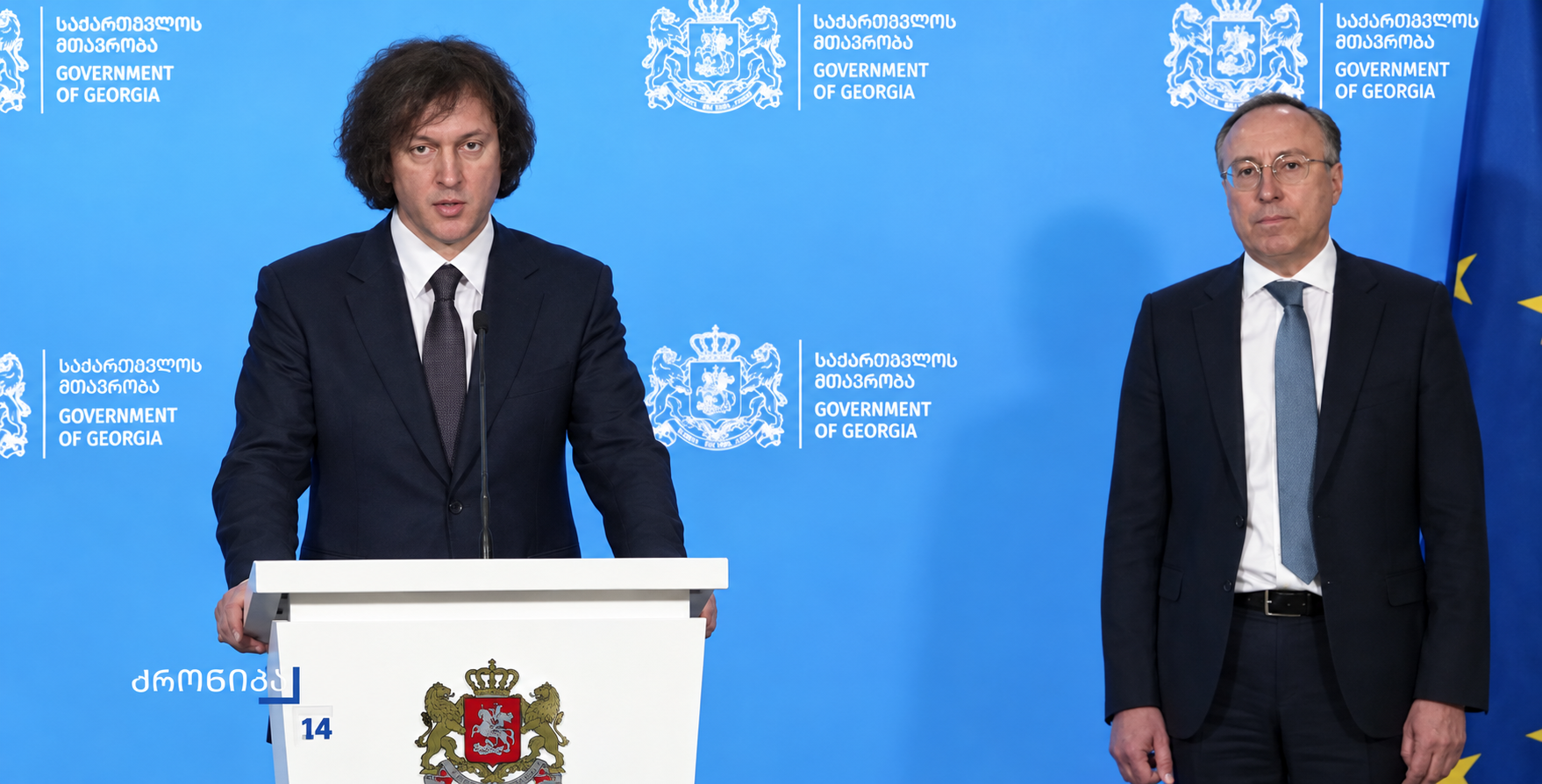
On October 21 of this year, Giorgi Zurabashvili, the First Deputy Minister of Foreign Affairs of Georgia, was appointed as the Special Representative of the Prime Minister of Georgia for Relations with Russia.
The Prime Minister outlined the key areas of responsibility for the Special Representative: the peaceful resolution of the conflict with Russia, the development of existing trade and economic relations, and conducting dialogue on humanitarian issues. According to him, maintaining continuous dialogue on these matters is one of our country’s most important priorities.
The Prime Minister stated that Zurabashvili will retain his position as First Deputy Minister of Foreign Affairs, but in matters regarding relations with Russia, he will serve as the Prime Minister’s Special Representative.
When asked why the decision to appoint a Special Representative of the Prime Minister was made after a pause of so many months, the Prime Minister answered that in recent months the Georgian government had placed its focus on the section of the Swiss diplomatic representation. “However, during this period we saw that maintaining the position of Special Representative and appointing an official to it is additionally important,” the Prime Minister explained.
During the briefing, journalists also drew attention to the fact that Russia has recently been actively calling on Tbilisi to sign a non-use of force agreement with Sokhumi and Tskhinvali.
To this, the Prime Minister responded: “This is impossible, given that we cannot in any form recognize the so-called states of the ‘Republic of Abkhazia’ and the ‘Republic of South Ossetia.’ From our side, there can be no recognition even in an indirect form; consequently, no agreement can be concluded with them. This will be the position expressed by the Special Representative as well.”
According to Konstantin Zatulin, a member of the Russian State Duma and First Deputy Chairman of the Committee on Eurasian Integration and Relations with Compatriots, the decision is correct, and relations between Russia and Georgia must develop. He noted that these relations are, of course, complicated due to the official position of Georgia, which does not recognize the independence of Abkhazia and South Ossetia and places the responsibility for the existence of Abkhazia and Ossetia not on itself or its past mistakes, but on the Russian Federation.
The First Vice-Speaker of the Parliament of Georgia, Gia Volski, also commented on the matter, placing emphasis on criticizing the Geneva format. He stated that the Geneva format is a rather inactive format, where numerous meetings have been held absolutely to no avail. Volski added that while he does not know what the future holds, in any case, Georgia’s position will be led by a highly experienced diplomat, a master of his craft, and a patriot of his country, stressing that Georgia must defend its interests, including in international formats and especially in Geneva.
Former President of Georgia Mikheil Saakashvili wrote on social media that the restoration of diplomatic relations with Russia without de-occupation is being prepared in the near future, which he characterized as signing an official capitulation.
An assessment was also released by the Diplomatic Society of Georgia, which unites career diplomats from various generations. According to their evaluation, the decision made indicates a rather dangerous trend.
According to Paata Zakareishvili, former State Minister for Reconciliation and Civic Equality, this decision is significant in several respects: the mandate of the Prime Minister’s Special Representative is changing, with conflict-related issues being added to his remit. At the same time, the first signs of a possible restoration of official diplomatic ties between Georgia and Russia are beginning to emerge.
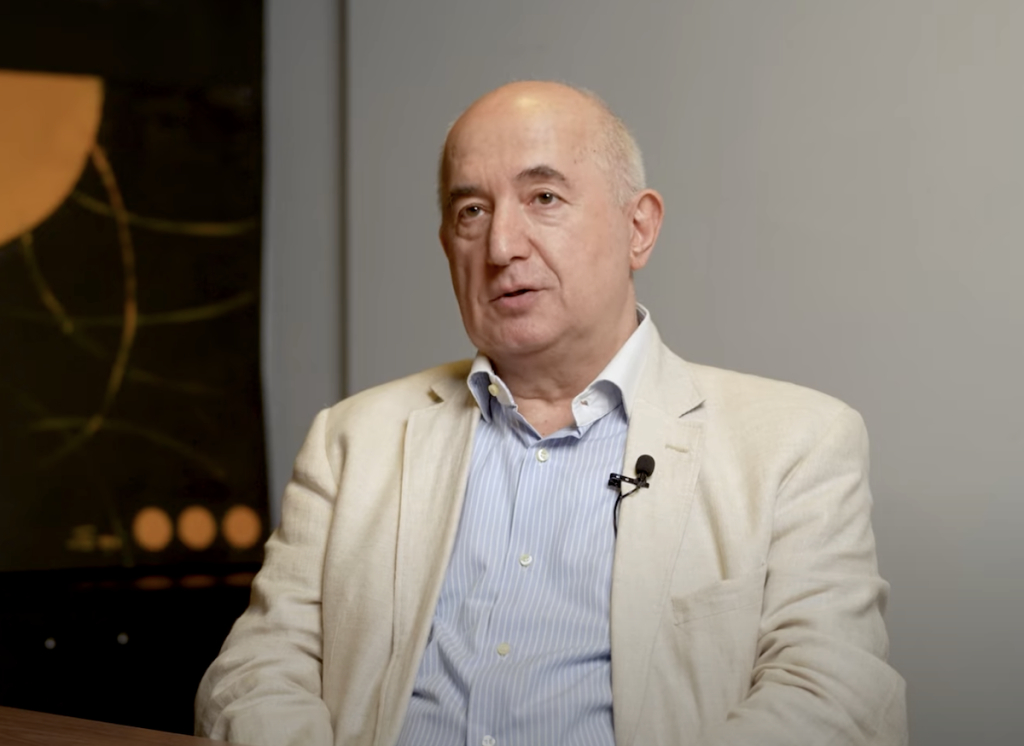
Paata Zakareishvili: This decision is not insignificant. The position has been vacant for more than a year. I believe that the decision to establish the position of the Prime Minister’s Special Representative was the right one at the time. We have no formal channels of communication with Russia. In such circumstances, even in critical situations, informal channels are necessary.
I was State Minister when this position was established. At the time, several fundamental principles were taken into account in creating the post. First and foremost, it was not supposed to be an official channel; communication was not to take place through the Ministry of Foreign Affairs. The second principle was that conflicts were not to be addressed within this format. It was on the basis of these principles that the position of Special Representative was conceived. Today, these principles are changing. The First Deputy Minister of Foreign Affairs—in other words, an official— is simultaneously becoming the Prime Minister’s unofficial representative.
I can explain to the public how Zurab Abashidze and I worked to ensure that neither of us crossed the red lines separating our respective areas of responsibility. I was accountable to him in professional matters, and Zurab Abashidze was accountable to me. We both needed to have a clear understanding of what the other was doing and to avoid interfering in each other’s work. The Karasin–Abashidze format was not supposed to become involved in conflict-resolution issues. For example, during the construction of barriers and other measures to entrench the dividing line in South Ossetia, Abashidze raised the issue with Karasin as well. Karasin’s public responses, however, were that their format did not deal with conflict-related matters.
It was also clearly understood that the Special Representative should not be a serving diplomat or an employee of the Ministry of Foreign Affairs. The representative was supposed to report to the Prime Minister. What is unusual now is that a person is being appointed, yet it is unclear to whom he reports: to the Minister of Foreign Affairs, whose First Deputy he is, or to the Prime Minister?
At that time, conflicts and other issues in Georgian-Russian relations were indeed strictly separated from one another.
It is precisely this paradigm that is changing before our eyes: in relations between Georgia and Russia, conflict-related issues and issues separate from the conflicts are being brought together. This is a very significant development.
I am concerned about the Geneva International Discussions. I agree with the view that the Geneva format is not working effectively. The Ministry of Foreign Affairs oversees the Geneva format and articulates Georgia’s official position toward Russia. It is within this format that the Georgia–Russia conflict is supposed to be resolved. It is true that the conflict is not being resolved, but the format in which it is supposed to be addressed still exists.
Will the Ministry of Foreign Affairs now be represented in Geneva by a person who is also the Prime Minister’s unofficial representative? What will the addition of this unofficial dimension actually achieve? How will it strengthen the Geneva format? What needs to be improved in the Geneva format that has remained uncorrected to this day? These are the important questions for me.
There is reason to suspect that this decision is intended to achieve something else. One possibility is that, since Georgia has been unable to establish diplomatic relations with Russia, it is trying to create an additional channel of contact. An atmosphere of ambiguity and informality is taking shape. I see that Russia needs closer contact with Georgia and is trying to achieve this through greater proximity to the Ministry of Foreign Affairs.
At the same time, we should remember that Russia has appointed Marat Kambolov, a high-ranking figure, as the so-called president in Tskhinvali. He differs from the local clan-based circles and will be authorized to establish direct, informal contacts with Tbilisi. For example, he could come to Tbilisi alone and in secret and meet with Zurabashvili, the Prime Minister’s Special Representative.
The Ministry of Reconciliation and Civic Equality is nowhere to be seen in these processes. This ministry was represented in Geneva. At the time, I also maintained active contacts with Abashidze. Today, however, I do not see this ministry involved in these processes.
Zatulin’s immediate reaction caught my attention. If he had waited at least a week, we might have thought that the information had travelled from Tbilisi to Moscow, been examined, and only then prompted a comment. It appears that Zatulin was ready to issue a statement.
His assessment showed that Russia–Georgia negotiations on conflict-related issues had already been taking place. Moreover, they were taking place at Zatulin’s level: he knew about them and immediately welcomed the decision. That is why I believe this matter had been in preparation, and those involved decided to give the process greater stability by formalizing it.
The official side has strengthened the unofficial component of this process, rather than the other way around. An advisory body has been brought closer to state-level decision-making.
The next Geneva meeting will take place in November, and it is very important to see who will represent the Georgian side at that meeting. Will it be Zurabashvili, or will it once again be Lasha Darsalia? This will reveal what move the Georgian side has made.
The Russian side has repeatedly criticized Lasha Darsalia. Darsalia took a very firm stance in Geneva, consistently used the term “occupation,” employed strong language, and remained uncompromising. The Russians were puzzled: if Tbilisi’s policy had changed, why was Darsalia not reflecting that change? Unlike the Russians, the Ossetians and Abkhazians expressed their dissatisfaction even more openly. It is important to see who will lead the Georgian delegation this time. The reactions of the Ossetian and Abkhaz sides will also be significant.
It is through these steps that it will become clear whether Georgia’s policy within the Geneva format and on conflict-related issues has changed.
I do not expect any substantial change in terms of conflict resolution.
We have no institutional ties or established links with Russia. Russia is suspicious of Georgia. For Moscow, it is important to obtain additional assurances from Georgia that Tbilisi is not being hypocritical and is genuinely aligned with the Russian narrative. This step is intended to bind Georgia more closely to Russia in formal terms. The channel for informal contact with Russia is being strengthened through a formal channel, and greater responsibility is being attached to it.
Teona Akubardia, former Deputy Secretary of Georgia’s National Security Council and a member of parliament, draws attention to the broader context in which this step has been taken.
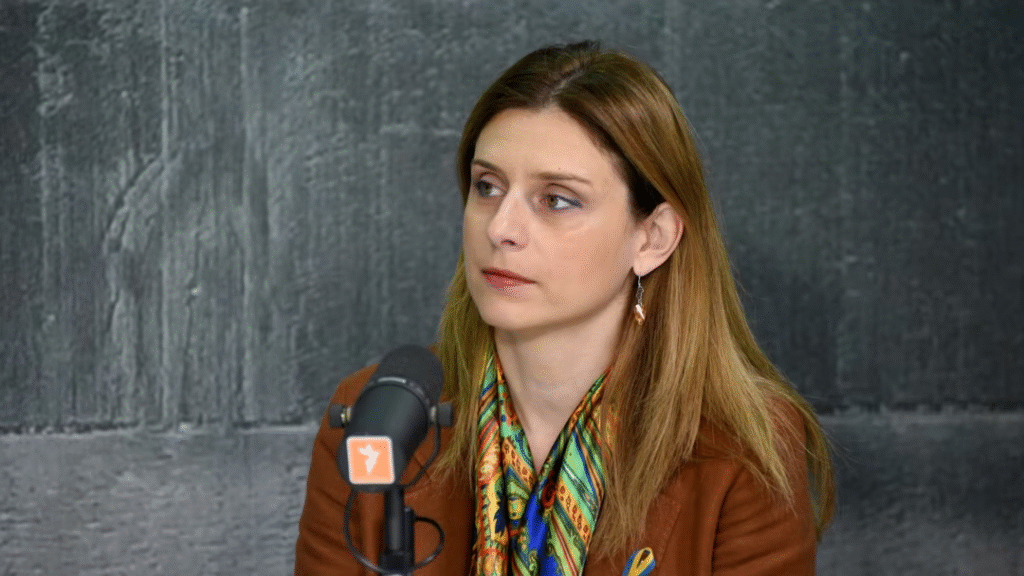
Teona Akubardia: It is crucial to consider the context in which the prime minister’s special representative is being appointed. The context is as follows: Russia is demanding that Tbilisi sign a non-use-of-force agreement, which would amount to de facto recognition of the occupied regions and the demarcation of so-called borders. At the same time, Georgia is becoming increasingly isolated from the West.
While the ruling authorities are filing a lawsuit with the Constitutional Court to ban opposition parties and shift the blame for Russia’s aggression onto their own country, Irakli Kobakhidze is appointing Giorgi Zurabashvili, the First Deputy Minister of Foreign Affairs, as his special representative for relations with Russia. Zurabashvili actively engages in debates on Western interference on propaganda media outlets and speaks on behalf of the Foreign Ministry when EU ambassadors are summoned.
At the same time, it is particularly important to examine how the mandate of the special representative has evolved. Established in 2012, the so-called Abashidze–Karasin format, named after Zurab Abashidze and Grigory Karasin, was originally conceived as a technical channel for “tactical dialogue” and was limited to trade, economic, humanitarian and transport issues. The officials involved did not hold an official diplomatic status that would allow them to shape foreign policy, and the fundamental principle was that conflict resolution and political and security issues would not be discussed within this format.
Today, however, we are witnessing a very different reality. When Irakli Kobakhidze announced the appointment of the special representative at a press briefing, he used the phrase, “The peaceful resolution of the conflict … is of key importance in carrying out these tasks.” In effect, he has assigned a central conflict-resolution role to a channel that was intended to remain apolitical and focused on trade and humanitarian matters. Yet the only legitimate international platform for addressing territorial integrity, occupation, the return of displaced persons and security is the Geneva International Discussions, which involve the United States, the European Union, the OSCE and the United Nations.
When the prime minister describes a bilateral format involving a special representative as a “key mechanism for conflict resolution,” this indirectly diminishes the role of the Geneva international format and reinforces a narrative that serves Russia’s interests: the suggestion that the conflict between Georgia and Russia can be resolved without Western partners, through direct, face-to-face bilateral talks.
At the same time, the parliament’s First Vice-Speaker is openly disparaging the Geneva format, despite being fully aware of its political significance: ensuring that Georgia is not left alone with Russia in a one-on-one confrontation.
The politicization of the newly appointed special representative and his dual role provide further evidence of this shift. By retaining Giorgi Zurabashvili as First Deputy Minister of Foreign Affairs, the authorities are effectively placing this informal institution directly within the senior leadership of the Foreign Ministry.
This means that relations with Russia are becoming a central pillar of formal foreign policy, rather than retaining the appearance of a limited trade-and-economic format.
At the same time, Giorgi Zurabashvili’s professional background is primarily in state protocol—he headed the protocol departments of the Government Chancellery and the Foreign Ministry for years—and diplomatic administration; he also served as Georgia’s ambassador to Ireland.
He does not have the relevant expertise to conduct complex political and security negotiations with Russia, the occupying power. In other words, someone politically unqualified to handle relations with Russia, yet compliant when it comes to formalizing Russian interests in Georgia, has been appointed.
It is worth asking what remains to be resolved through the informal format for relations with Russia. We already have visa-free travel, direct flights and growing economic dependence. The only issue left over from the former Abashidze–Karasin format is transport: the 2011 Geneva agreement, which envisaged opening a transport corridor through the involvement of a Swiss company. Zurab Abashidze was working on precisely this agreement.
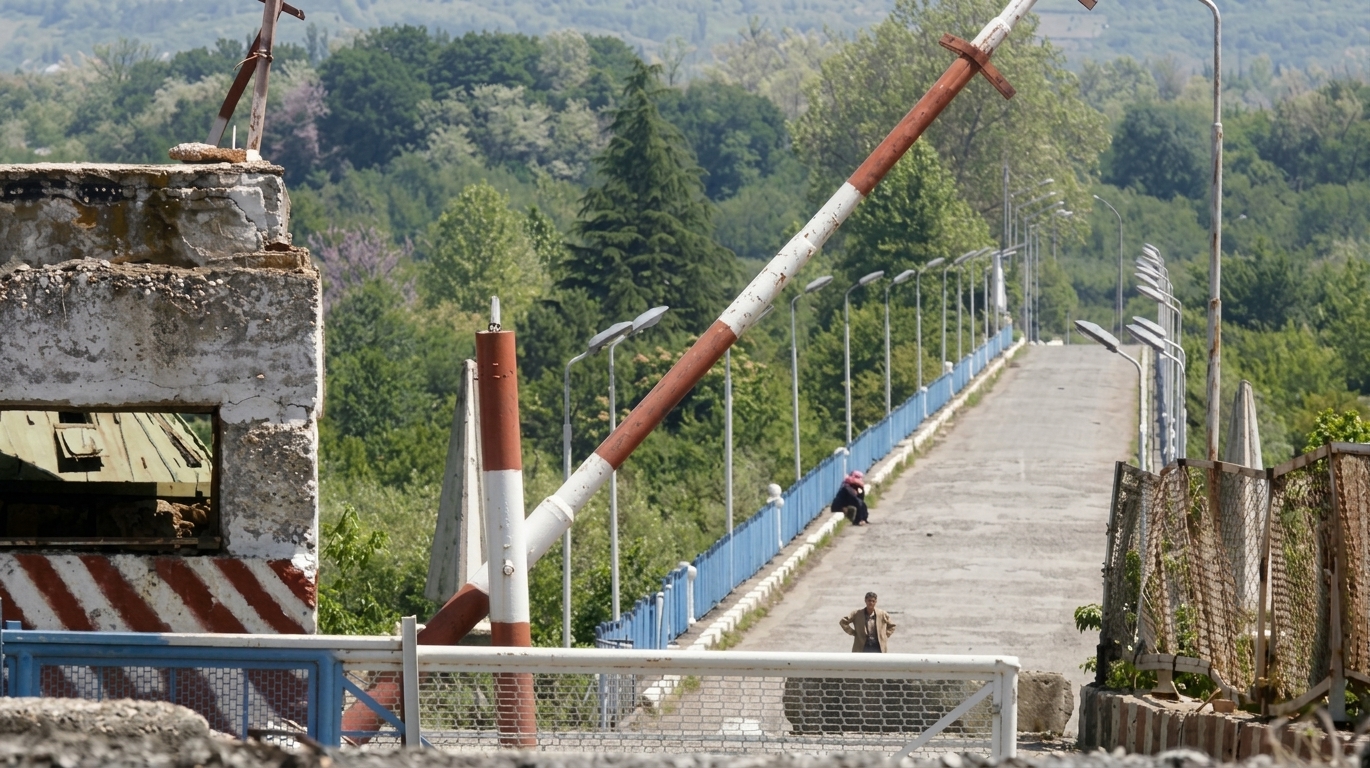
I link this move specifically to Russia’s interest in opening a transport corridor through the occupied regions. As recently as February, Russia’s deputy prime minister stated that Moscow was interested in reopening the railway through Abkhazia. A terminal has been built on the Enguri River with Russian investment. Russia wants to re-establish its presence in the South Caucasus through Georgia.
Russia is no longer acting as overtly coercively toward Georgia. Instead, it is seeking to keep Georgia within its orbit through economic interests and “soft power.” Tbilisi is not being directly and aggressively pressured to recognize the occupied territories. Rather, the process is being advanced discreetly by promoting the prospect of “economic benefits” and the idea of “false peace,” in an effort to avoid a strong public backlash in Georgian society.
These three elements—the constitutional lawsuit that shifts responsibility for the war onto Georgia itself, the undermining of the Geneva format, and the granting of a bilateral political mandate for relations with Russia to the Foreign Ministry’s top deputy—bear the hallmarks of a unified strategy.
The current trajectory suggests that a new political reality may emerge in which questions of Georgia’s sovereignty and territorial integrity are removed from the framework of international guarantees and shifted into the realm of direct, unequal deals with Moscow.
I do not expect any substantive changes in the conflict-resolution process, although a few lures will be dangled and the process will be packaged as offering economic benefits.
This is a slow-motion strangulation of Georgia’s territorial integrity and sovereignty, carried out according to a plan drawn up in the Kremlin.
Tamta Mikeladze, Director of the Social Justice Center, views this decision in the context of a shift in the Georgian government’s foreign policy. According to her, Tbilisi is attempting, at least formally, to establish a multi-vector foreign policy, while in practice strengthening Russian influence. These changes, however, are taking place unilaterally, without public participation.
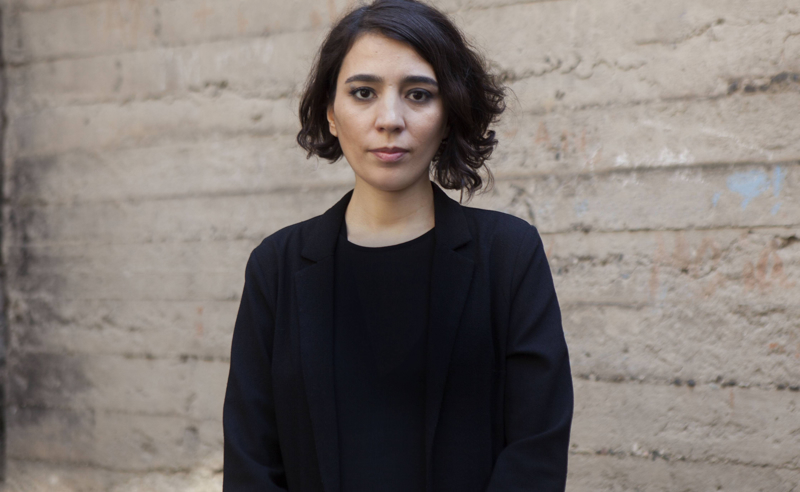
Tamta Mikeladze: The appointment of Giorgi Zurabashvili as the prime minister’s special representative for relations with Russia cannot be regarded as merely a personnel change.
It is particularly noteworthy that responsibility for managing communication with Moscow has been assigned to the serving First Deputy Minister of Foreign Affairs, who is retaining his existing position alongside his new role. This decision further integrates direct dialogue with Russia into Georgia’s official diplomatic structures.
This raises the question of whether such communication will remain confined to economic and humanitarian issues or gradually evolve into a mechanism for reaching broader political agreements. Although Irakli Kobakhidze maintains that the government’s policy toward Russia remains unchanged, shifts in Georgia’s foreign policy discourse and practical decisions are becoming increasingly apparent.
Today, the foreign policy of Georgian Dream is not only at odds with the constitutionally defined goals of European and Euro-Atlantic integration; it is also becoming increasingly difficult to characterize it as multi-vector and balanced.
A multi-vector foreign policy entails developing relations with various international partners despite differences among them, while broadening a country’s political, economic and security options.
In Georgia’s case, however, a different picture is emerging. Relations with the European Union are in deep crisis, the accession process has effectively been suspended, and the strategic partnership with the United States has been put on hold, with no concrete results pointing to a restoration of relations.
At the same time, ongoing geoeconomic changes in the South Caucasus are raising new questions about the future of Georgia’s role as a transit country. As relations between Armenia and Azerbaijan move toward normalization and new transport routes are developed with US support, it remains unclear how effectively Georgia will be able to safeguard its interests in emerging regional connectivity projects. Despite the signing of a document establishing a strategic partnership with China, the results of that relationship so far do not provide a clear basis for determining what substance it is acquiring.
In these circumstances, the creation of a new mechanism for relations with Moscow raises serious questions about Georgia’s foreign policy priorities.
It is also particularly significant that, according to reports, Zurabashvili will represent Georgia at the Geneva International Discussions as well. This gives his appointment additional political weight, as responsibility for both direct communication with Russia and international negotiations will be concentrated in the hands of a single official.
In this context, attention should be paid to criticism by Georgian Dream representatives of the effectiveness of the Geneva format, as well as discussions about the possibility of moving negotiations to another forum.
Despite its limited practical results, the Geneva International Discussions serve an important political and legal function for Georgia. Co-chaired by the European Union, the United Nations and the OSCE, the process ensures that security and humanitarian issues arising from Russia’s military occupation remain on the agenda of international negotiations. Legitimate questions about the effectiveness of the Geneva format must therefore not lead to its international significance being disregarded. This is all the more important given that Russia continues to raise the issue of non-use-of-force agreements.
Under these circumstances, it is essential to monitor whether the appointment of the new representative will change Georgia’s position within the Geneva Discussions, how his two mandates will be kept distinct, and whether Georgia will continue to clearly emphasize Russia’s role as a party to the conflict and the state responsible for the occupation.
At the same time, Georgian Dream is increasingly linking its own peace-oriented and pragmatic foreign policy to the prospect of restoring Georgia’s territorial integrity.
However, these statements are not accompanied by a concrete strategy presented publicly that would explain what political mechanisms are intended to bring about a change in Russia’s position, how the participation of international partners is to be maintained, and what guarantees will protect Georgia’s sovereignty.
Against this backdrop, the impression is growing that a fundamental transformation of Georgia’s foreign policy is underway, even though the authorities are not describing the process as a change in the country’s strategic course.
Individual steps are presented to the public as responses to specific circumstances, diversification of relations or an expansion of diplomatic opportunities. Taken together, however, they raise increasingly serious questions about the country’s long-term foreign policy orientation.
This is precisely what makes the process gradual and incremental: strategic priorities may shift over time through decisions that appear unrelated to one another, without the public being presented with the overall logic behind these changes or their ultimate objective.
It is particularly troubling that a potential transformation of such significance is not grounded in a new strategic document made publicly available, a broad political debate or public consensus.
The position of the Georgian prime minister’s special representative for relations with Russia was established in 2012. From 2012 to 2024, the position was held by Zurab Abashidze. From 2024 to 2025, it was held by Giorgi Kajaia.