Venezuela, Syria and the future of Georgia’s policy of non-recognition | Opinion from Tbilisi
Georgia’s policy of non-recognition
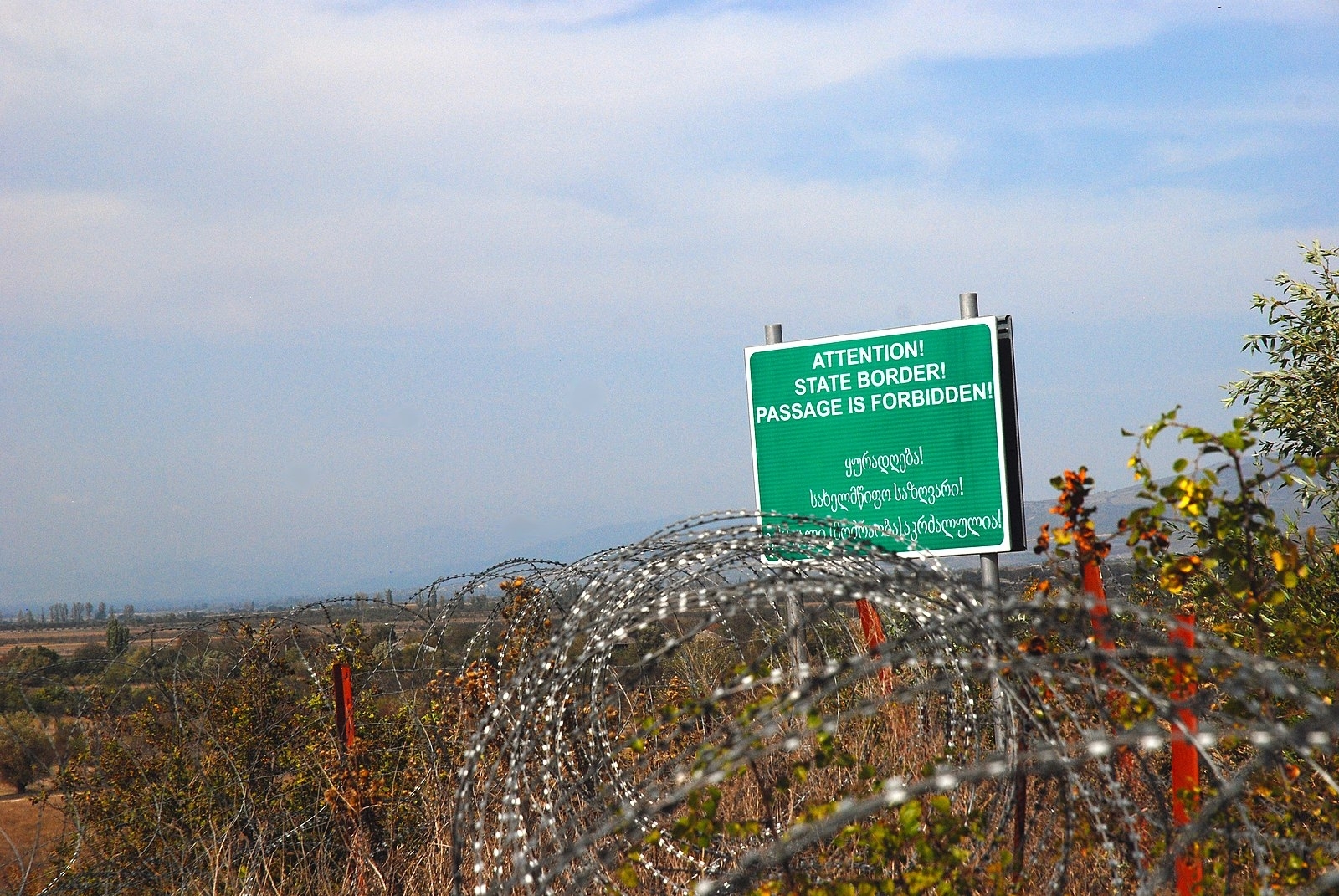
After Russia’s recognition of the independence of Abkhazia and South Ossetia in 2008, Kremlin policy aimed to increase international support for this decision. Tbilisi’s policy was expressed in a non-recognition framework aiming at the prevention of new recognitions and revocation of the already in place.
To date, a total of seven states have recognized the independence of Georgia’s two occupied regions: Russia [2008], Nicaragua [2008], Venezuela [2009], Nauru [2009], Syria [2018], Tuvalu [2011], and Vanuatu [2011]. Among these, the last two states changed their decisions in 2013-2014 and again recognize Georgia’s territorial integrity.
From the events developed in recent years, noticeable changes occurred in Syria and Venezuela; however, the new governments have changed practically nothing regarding the issue important to Tbilisi.
Why is it not possible to achieve these changes? The answer to this question is complex and, as our international policy analyst respondents believe, the problems are partly in Tbilisi’s policy itself, and at the same time, we should not forget the changing international order, where Tbilisi, due to objective reasons, does not possess strong influences.
Non-Recognition policy and the unsuccessful example of Syria
Kakha Gogolashvili, Director of European Studies at the Georgian Foundation for Strategic and International Studies (Rondeli Foundation), believes that direct diplomatic efforts from Georgia’s side in the direction of non-recognition were always relatively weak, stemming from Georgia’s existing limited influence on the international arena.
This policy mainly relied, first of all, on periodically reminding and requesting our strong partners that they themselves should exert active diplomatic pressure on this issue toward Russia and its partners. Every government of Georgia possessed a standard set of diplomatic actions, which included both positioning and lobbying the issue in international organizations, as well as highlighting the issue as unacceptable for the country during speeches at all international forums.
The change of regime in Syria in 2024 created a kind of expectation that it would be possible to withdraw the recognition with the new government. According to Kakha Gogolashvili, at that time, the Georgian government did not appeal to the new government of Syria at an official level.
Such an appeal was made mainly by representatives of political parties and opposition groups, which we cannot characterize as a significant diplomatic effort. Furthermore, our foreign ministry recorded the violation of the country’s territorial integrity by Syria at the time, but it did not actively protest this fact in international organizations — at the UN, OSCE, or other forums.
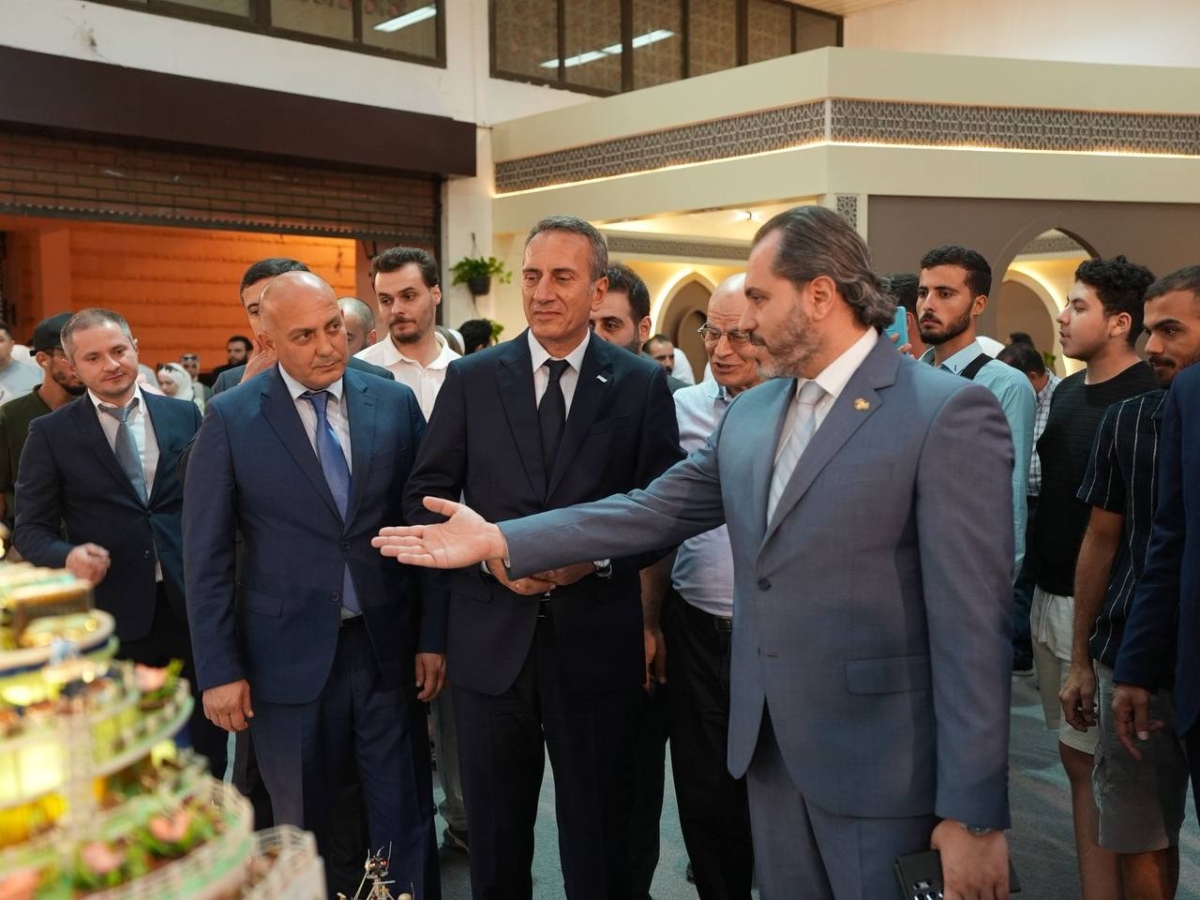
Against the background of passivity from Tbilisi’s side, in June 2025, the de-facto Foreign Minister of Abkhazia, Oleg Barstis, had a visit to Syria. During that period, the most noticeable step from the side of Georgian Dream was the visit of the Chairman of the Parliament’s Foreign Relations Committee, Nikoloz Samkharadze, to Turkey, where he offered the Turkish side mediation in establishing contact with the new government of Syria.
According to today’s data, no positive change is still outlined in this direction.
Changes in Venezuela and the Latin American region
On the morning of January 3, 2026, the United States detained the President of Venezuela and, as President Trump stated, they themselves set about governing the country for an indefinite period.
When evaluating the detention of President Maduro, the Ministry of Foreign Affairs of Georgia expressed hope that the developed events would lead to the revocation of the illegal recognition of Abkhazia by Venezuela. Odyssé Bigvava, the de-facto Deputy Foreign Minister from occupied Sokhumi, responded to this statement from Tbilisi on the same day and stated that for Abkhazia, recognition is not an end in itself at all.
The events that happened in Venezuela might cause changes regarding recognition; however, for this process, it is necessary to consider two important issues — specifically what kind of changes will occur in the government of Venezuela and how active Tbilisi’s own foreign policy steps will be.
Professor Kornely Kakachia of Tbilisi State University believes that judging by the delayed reaction of Georgian Dream after the regime change in Syria, it does not appear that the non-recognition policy is a matter of vital importance for Tbilisi. The statement made on the regime change in Venezuela was also very general.
Naturally, a question arises — in a situation where the Georgian government is in open confrontation with the West and is on the path of self-isolation, how possible is it, without Western partners, to influence the new governments of Venezuela and Syria so that they change the decision of recognizing the occupied territories? The answer is — none. In Tbilisi, they also know perfectly well that, thanks to the confrontational policy with the West, no one will overexert themselves on this issue.
As for the relationship with the new regimes of both Syria and, in the future, Venezuela—Kornely Kakachia believes that precisely this should be a priority issue of Georgia’s foreign policy and they should be working actively, with both Western and Turkish governments, to establish active contacts with representatives of the new regime and use this opportunity to the maximum. However, due to the reasons listed above, doing this will not be easy.
According to Kakha Gogolashvili, appealing to the government of Venezuela at this stage is deprived of practical expediency, since the government on the ground has not actually changed and a new foreign course has not yet been announced. In such conditions, approaching them with such a request or demand might even prove counterproductive.
Consequently, it is necessary first to determine what foreign direction Venezuela chooses at the new stage, and only after that should the form and method of diplomatic interaction with them be decided.
Maduro’s detention caused a great resonance in the Latin American region; however, at this stage, specifically what changes are being discussed is still not fully outlined. Sergi Kapanadze, Professor of International Relations at Ilia State University, notes that the Venezuelan government began releasing prisoners and there is a great chance that this process will lead even to the replacement of the government; however, at this stage, making this conclusion is premature and difficult.
More clarity is outlined on Venezuela’s foreign policy, and that too in relation to strong players. The US President showed very clearly to the Venezuelan administration, which remains on the ground after Maduro’s detention, that Caracas will have to take America’s interests into account.
This first of all concerns oil extraction and export, as well as relations with China and America’s opponents. As for Russia—it is a fact that its image and reputation were greatly damaged because the defense systems supplied by it suffered a complete collapse. According to Sergi Kapanadze, the stopping of ships of the Russian shadow fleet also shows that Trump does not intend to strike a deal with Russia on anything so easily, especially since Moscow has almost no levers in Latin America with which it would resist America’s military and trade power.
Moreover, we see that the role of pro-Russian leftist governments on the American continent is decreasing, the latest example of which is the presidential elections in Chile.
Tbilisi’s Weakened International Positions
In the case of the change of government in Syria, Tbilisi’s passivity is clearly outlined. Here, not only the changed international order must be considered, but also Tbilisi’s own weakened international positions. Tbilisi met the change of the Assad regime or the detention of Maduro in conditions of practical self-isolation.
Distancing from the European Union or the United States, open criticism of the West, and the temporary suspension and postponement of the process of Georgia’s accession to the European Union by Prime Minister Kobakhidze can be evaluated from many angles, but it is clear that in the non-recognition policy, international support had a key function, while this support today stands under great risk.
Changes of governments in countries supporting the recognition of Georgia’s occupied regions create a kind of promising perspective, but ineffective, delayed, or passive steps from Tbilisi’s side create one of the main obstacles in achieving the goal.
Journalist Inal Khashig and historian Astamur Tania discuss ways to ease the standoff between the authorities and the opposition and Abkhazia’s role in regional transit projects