The reappointed head of the Gali District and old problems
Gali problems – view from Tbilisi
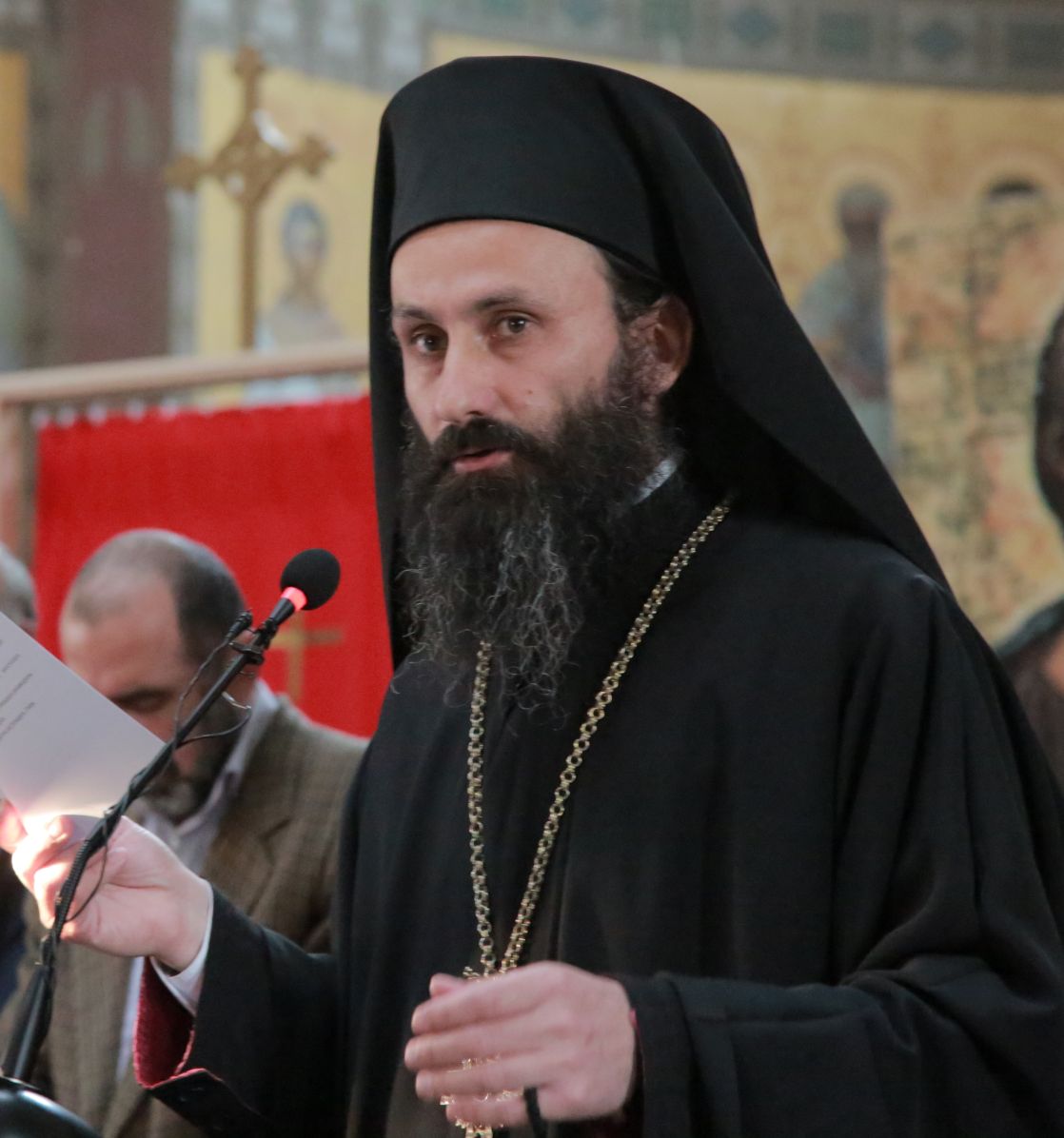
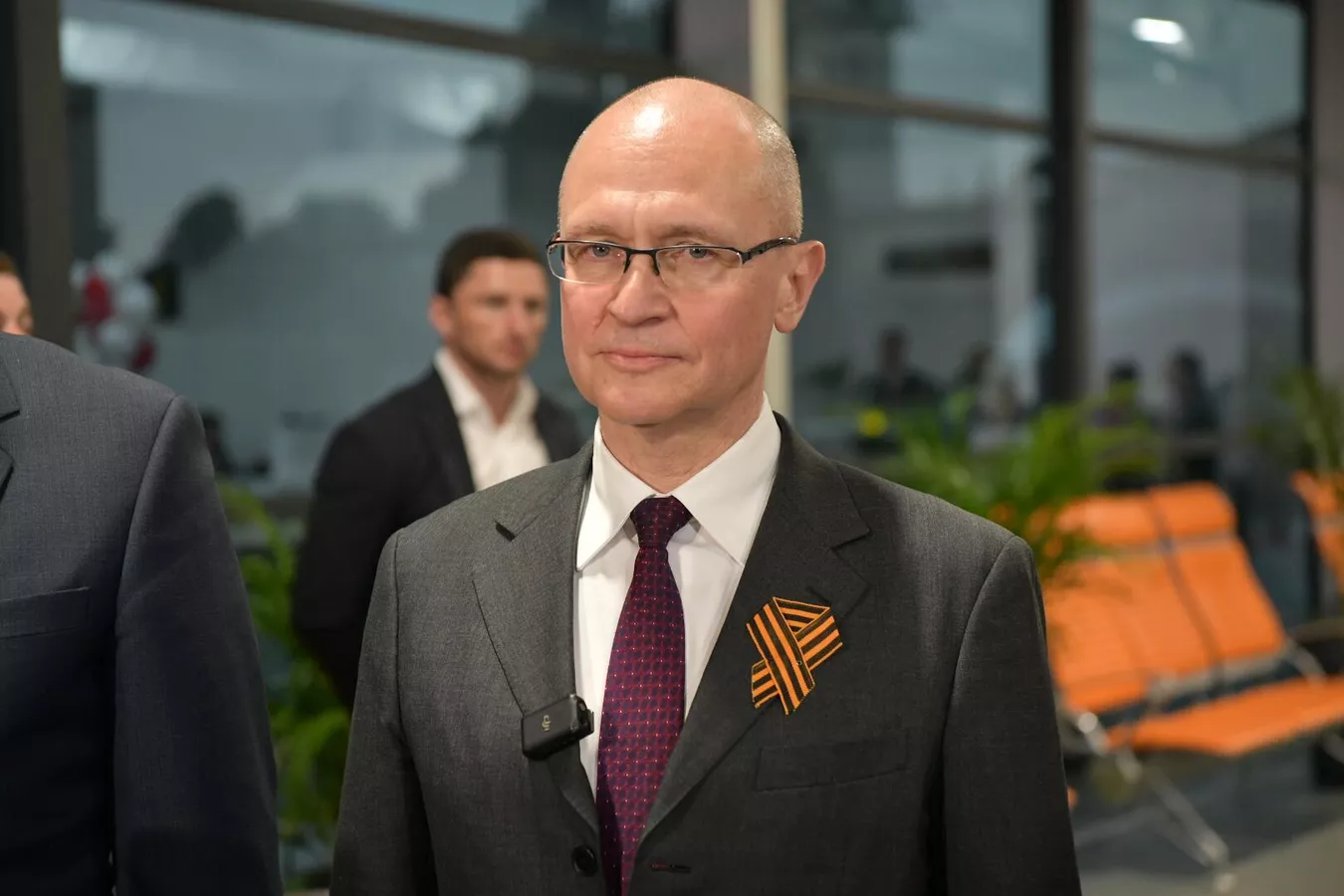
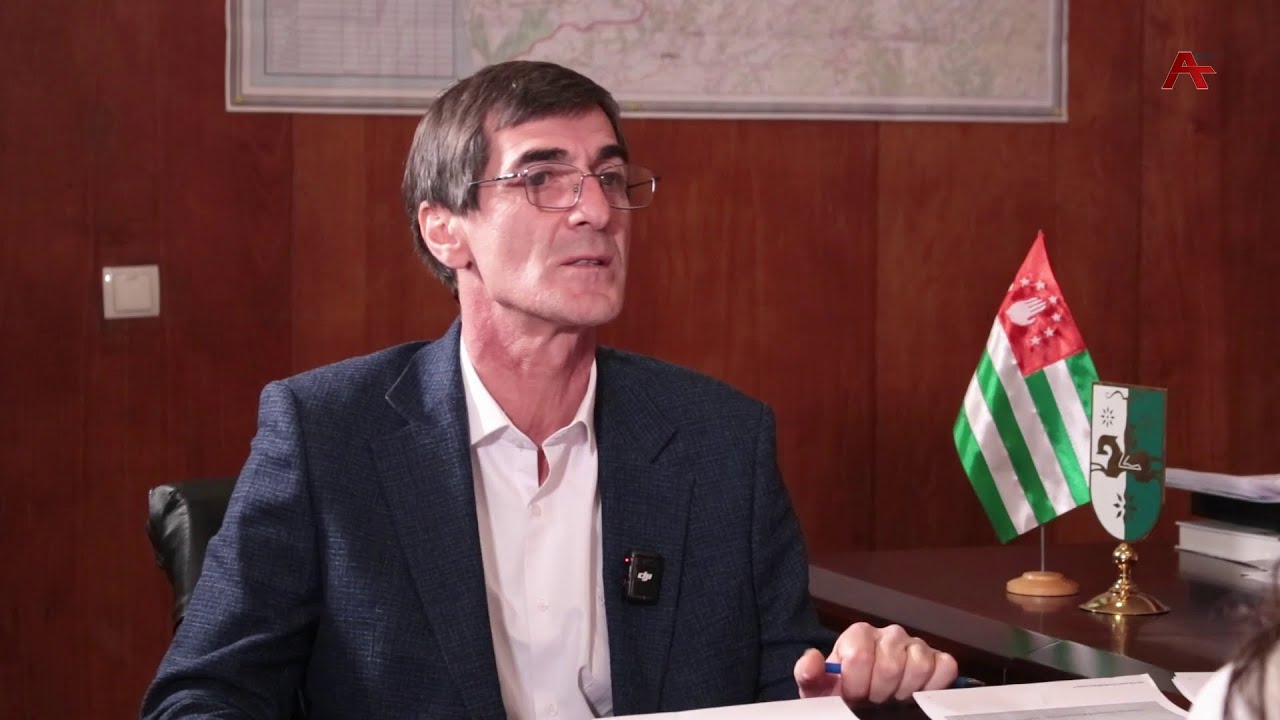
At the beginning of February of the current year, Konstantin Philia was re-elected as the de facto head of the occupied Gali district. The de facto President officially nominated his candidacy on February 2, and the newly elected district council unanimously confirmed Philia for a five-year term on February 6.
Konstantin Philia was first confirmed as the de facto head of Gali in July 2020. He is a member of the political inner circle of the then de facto President Aslan Bzhania. There is also a kinship connection between them – Philia and Bzhania are in-laws. Badra Gunba’s staffing policy aims to introduce new faces into the de facto government.
Changes have affected many districts and local self-government bodies, yet Philia remains one of the exceptions where an old cadre was retained. There may be several reasons for such a decision.
Head of the districts in Abkhazia are typically appointed from Sokhumi, and local self-government bodies simply confirm these decisions. When selecting a candidate, local relationships are taken into account. In the case of Gali, the situation is even more distinct.
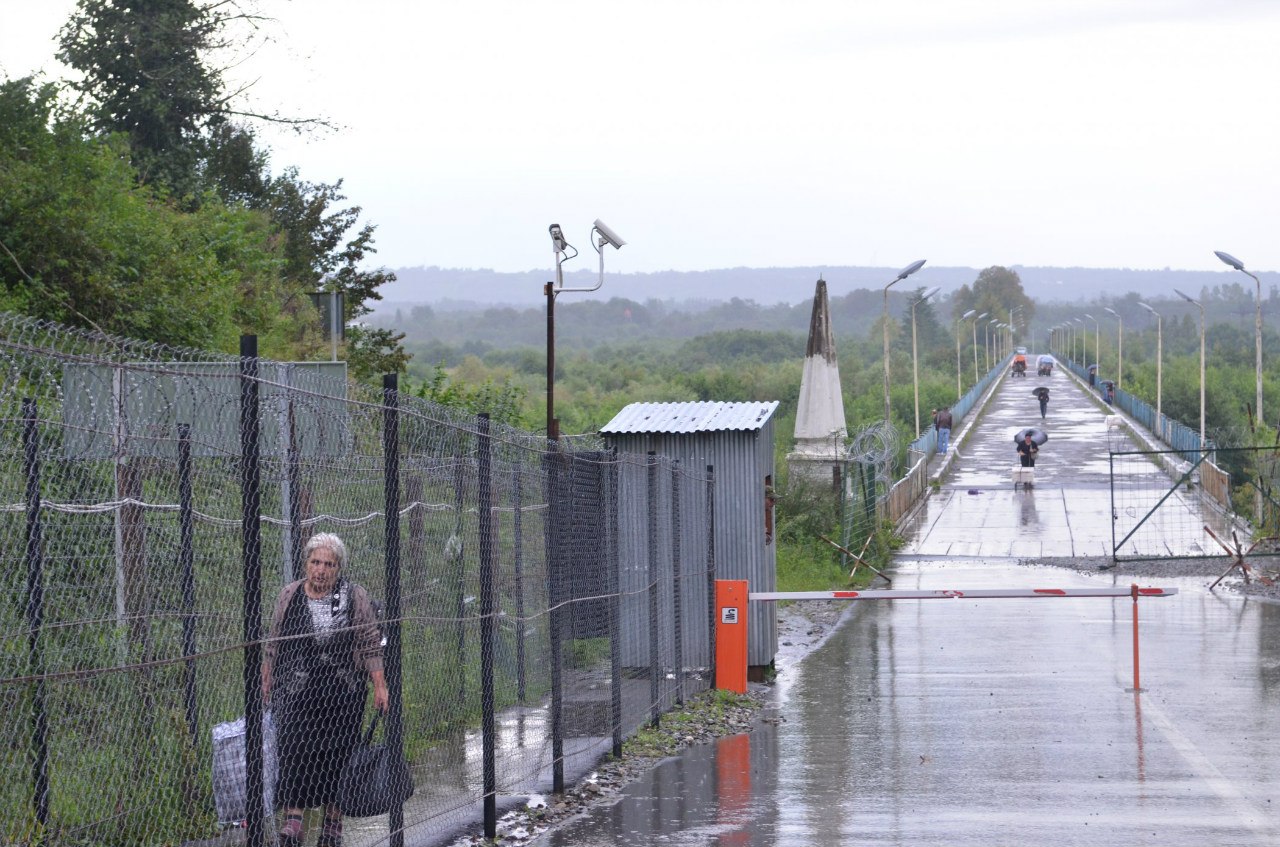
The majority of the population does not hold Abkhaz citizenship and cannot participate in elections. The local population of Gali participates in the appointment of the district head only formally – a very small portion of locals elects the district council, which then confirms the candidates selected in Sokhumi. Back in 2020, no one consulted the locals regarding who the head should be.
Philia is not from the Gali district and he primarily performs the role of a representative of the de facto government; therefore, the selection of candidates in Sokhumi largely reflects the policy of the de facto authorities.
Philia’s predecessor, Temur Nadaraia, was known for his rigid and negative attitude toward the residents of Gali. It even reached the point of ethnic hatred. His attitude toward the locals, beyond personal dispositions, also expressed the will of Sokhumi – the de facto President at the time, Khajimba, pursued a harsh policy toward the Gali residents.
Against this backdrop, Philia’s appointment signified an expression of Sokhumi’s new policy toward Gali Georgia, although personal relationships within the district are of no less importance than politics. He treats us as humans – in various social media groups, locals often evaluate Philia with these few words.
In a district where several waves of ethnic cleansing were carried out and where locals had to go into exile several times – such an assessment is telling. This policy, built on a personal level, has to some extent calmed the district, though traditional problems remain unresolved on the ground, keeping Gali Georgians in an oppressed and disenfranchised state to this day.
The main problem for Gali residents is the lack of Abkhaz citizenship, the ban on the Georgian language in schools, and the deprivation of practically all political rights. Due to the lack of so-called Abkhaz citizenship, they are unable to legalize their plots of land or homes, and cannot participate even in illegitimate elections or express political will.
Even speaking of creating a local political force or participating in political processes is redundant and unimaginable. For years, a policy of identity change has been openly underway in the district. This is manifested through the ban on the Georgian language and the encouragement of a policy which forces local Georgians to return to their “original” ethnic roots.
When speaking about the problems of obtaining documents for Gali residents, Philia was already talking in 2021-23 about considering realities existing beyond the law. He then encouraged the return of Gali residents to “Abkhazian roots” and at the same time lobbied for a relatively soft attitude regarding their possession of Georgian passports.
With these statements, he was taking into account and even protecting the interests of Gali residents within the central de facto government – which sounded unusual coming from a representative of the Abkhaz administration, though in practice, as expected, nothing has changed. Clearly, Philia as a head of the district cannot solve these problems. This does not fall within his competence.
The reappointment of Philia as the head of the district might also be conditioned by the fact that Badra Gunba had no alternative to him, but this seems less realistic. Gunba would have confirmed any other candidacy for the Gali governorship and would have faced no obstacles in this process.
Most likely, Philia’s reappointment is a sign that Sokhumi’s policy toward the Gali district will remain unchanged. The de facto government will be better able to implement its policy if a person with a certain level of trust and authority is represented on the ground.
Journalist Inal Khashig and historian Astamur Tania discuss ways to ease the standoff between the authorities and the opposition and Abkhazia’s role in regional transit projects