







Transit through Abkhazia
In the first half of December, it became known that the construction of a trade terminal in Gali, near the Enguri bridge, is nearing completion and is practically ready for operation.
This statement by Astamur Akhsalba, General Director of the Transit Logistics Company in Abkhazia and head of the World Peoples’ Assembly in Abkhazia, has drawn significant reaction.
Official Tbilisi denies participation in these processes; Prime Minister Irakli Kobakhidze assessed the restoration of transit traffic through Abkhazia as speculation.
Georgian Dream reaction
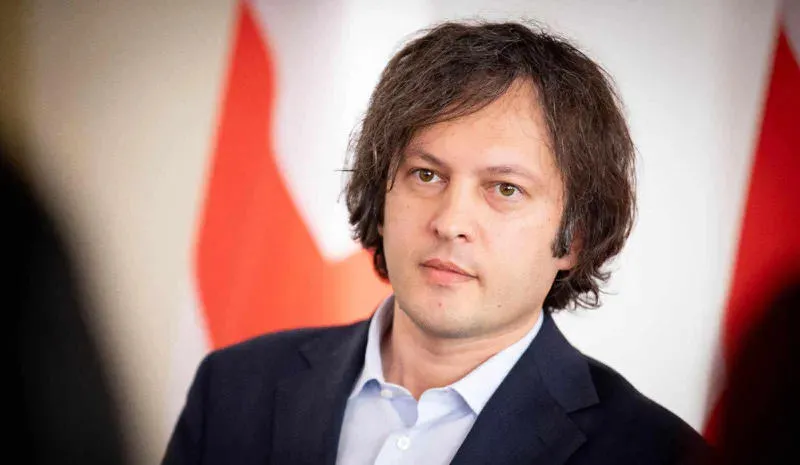
Representatives of the ruling party, Gia Volski and Lado Bozhadze, stated that the ongoing construction in Gali poses no real threat, nor is the Georgian side attempting to bypass sanctions.
According to Gia Volski, the construction in Gali is a local-scale process, and talking about any kind of joint process is redundant because Abkhazia does not exist as an independent party.
This region is occupied, and no format of cooperation exists, Volski explained. So far, there have been no official comments on this matter from either the Kremlin or the de-facto authorities.
Opposition
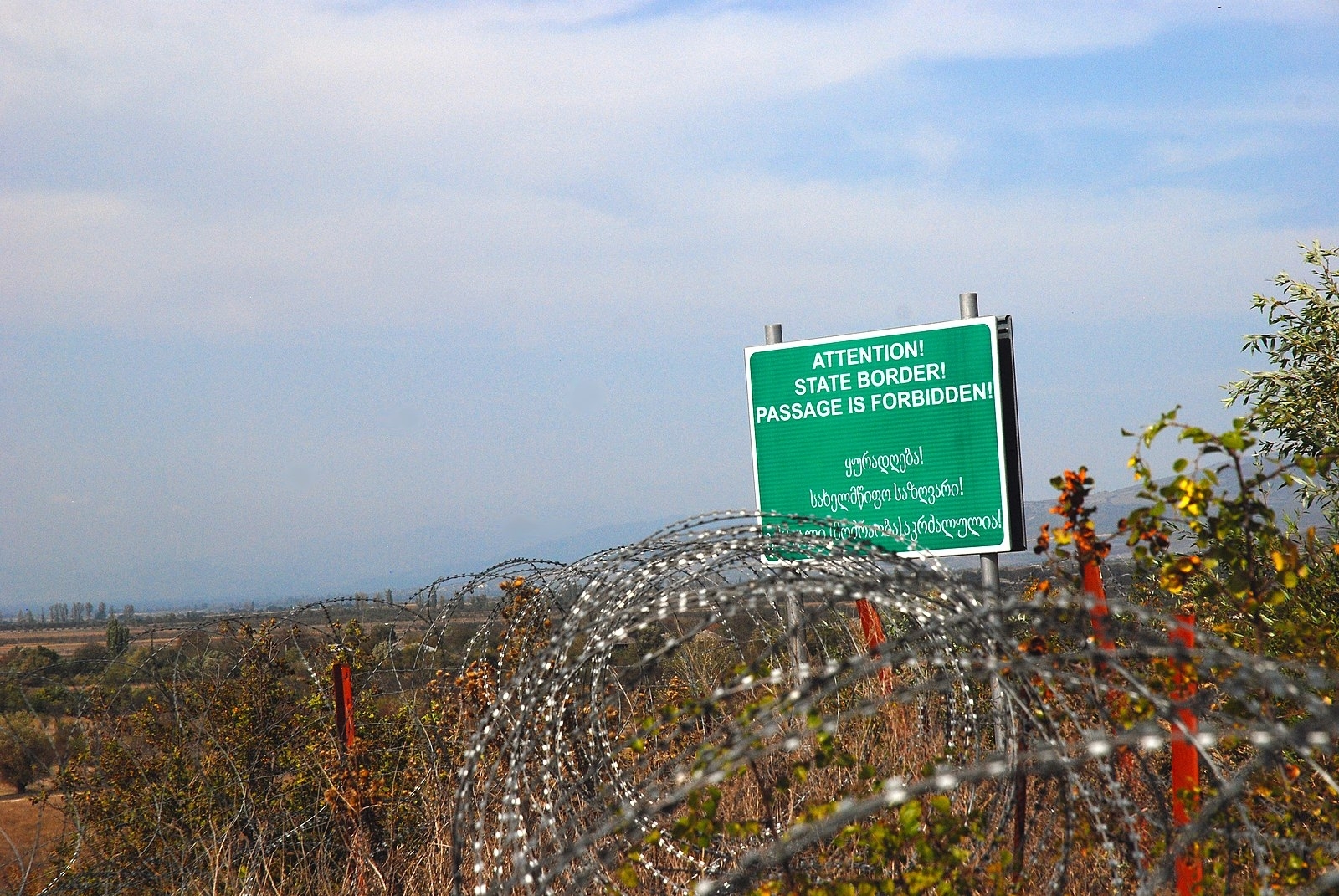
In Georgian opposition circles, the construction of the trade terminal in occupied Gali and the possible restoration of transit are viewed as part of Russia’s annexation plan aimed at using the occupied territories to bypass international sanctions. According to politicians, moving the customs-monitoring infrastructure from Psou to Enguri signifies the legalization of the occupation line as a state border and the indirect recognition of the separatist regime.
This logistical chain, which also connects the Ochamchire port and Sokhumi airport, lacks real economic potential for Georgia and serves only the Kremlin’s political interests and the artificial creation of “recognition symptoms”.
Politicians point out that the process is managed through informal, shadowy agreements between business circles linked to Bidzina Ivanishvili and Russian special services, which implies the complete ignoring of state institutions and the encouragement of elite corruption.
It is expected that the government will package these dangerous steps with rhetoric of “confidence building” and “economic benefit,” although in reality, these actions, along with the “policy of apology,” aim to sever Georgia from the Euro-Atlantic space and finalize its return to the Russian orbit.
Excluding the country from Western strategic projects and restoring transit on the Enguri will only ensure international isolation and an increase in the vulnerability of the country’s territorial integrity.
Ana Tsitlidze, United National Movement
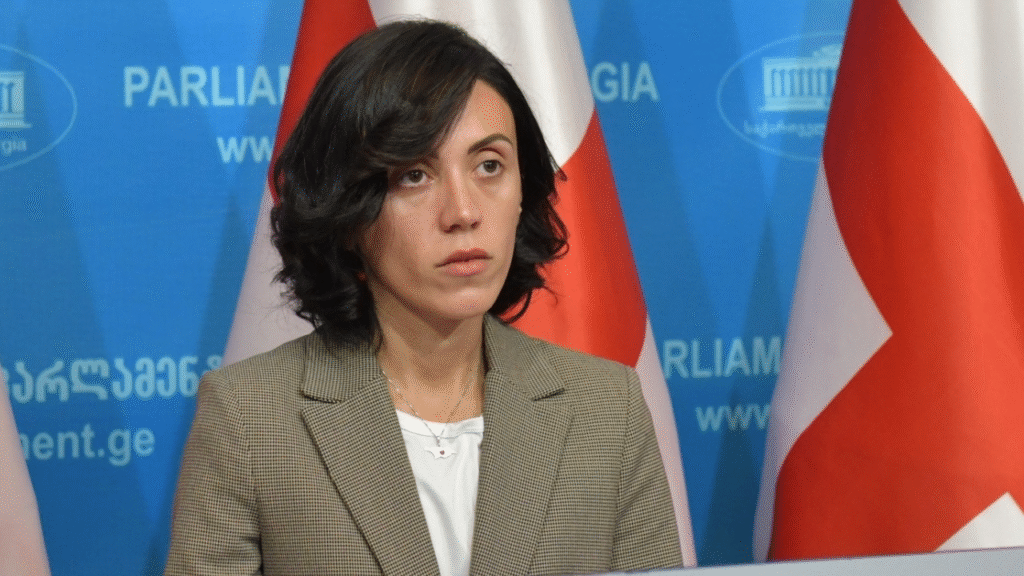
Ana Tsitlidze, considers the construction of the terminal in occupied Gali and the activated transit traffic on the Enguri bridge as part of secret cooperation between the Georgian government and Russian special services.
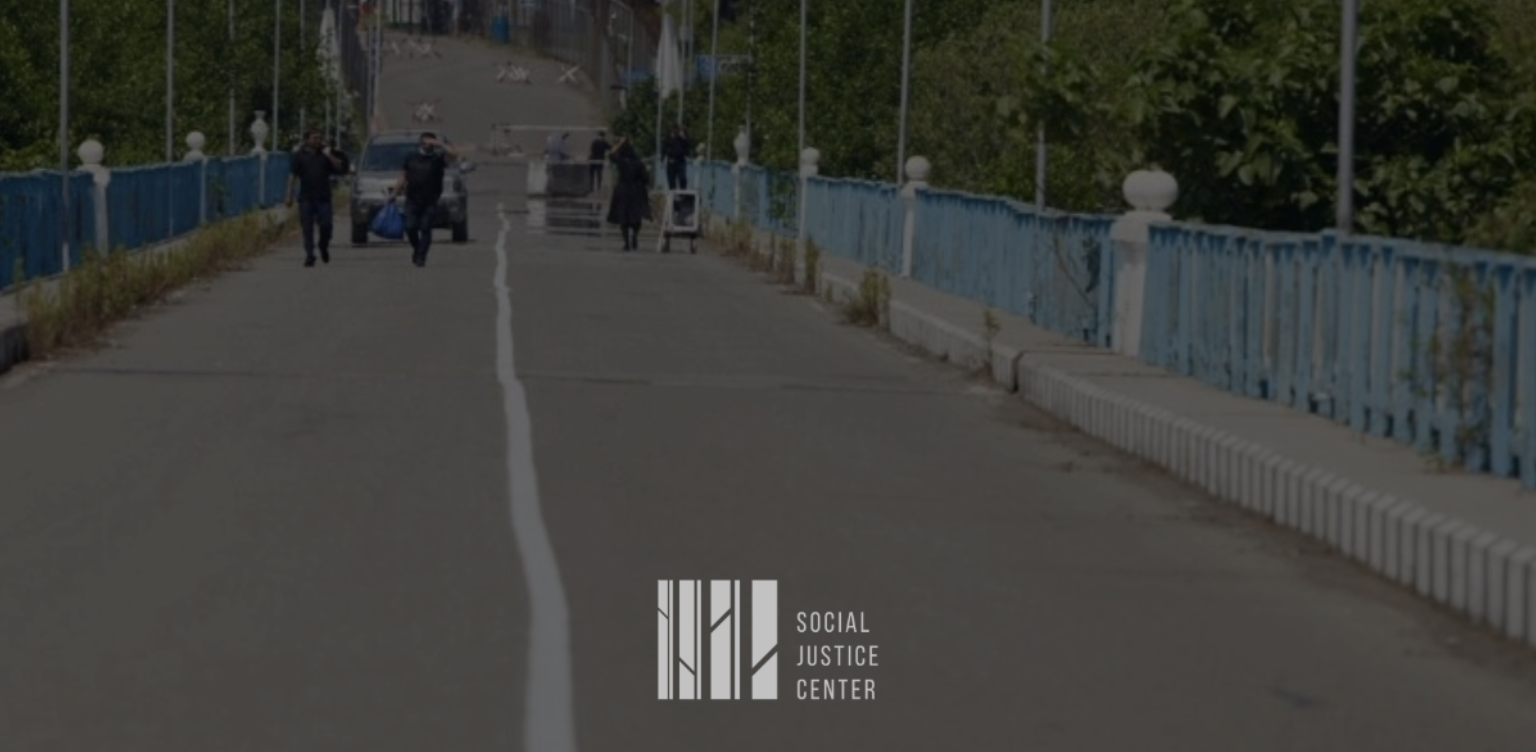
She states it is impossible for infrastructure projects of this scale to proceed without the involvement or at least the knowledge of official Tbilisi, which raises many questions about the government’s true intentions. Tsitlidze emphasizes that over the last two years, following Russia’s full-scale invasion of Ukraine, trailer movement on the Enguri bridge has intensified significantly.
According to her, this process is controlled by representatives of the central and local government through special permits and passes, while the law enforcement structures stationed on the occupation line, instead of protecting security, actually ensure the unhindered movement of cargo.
The politician assesses that the abolition of 14 checkpoints on the occupation line since 2012 has opened the way for smuggling flows, which is an ideal means for Russia to bypass sanctions and use occupied Abkhazia as a “black hole”.
Ana Tsitlidze believes that the Gali terminal, the rehabilitation of Sokhumi airport, Bidzina Ivanishvili’s resonant statement regarding an apology, and the abolition of the temporary administration of South Ossetia are parts of a single process.
She claims these actions point to secret negotiations between Russia, the separatist regimes, and the Georgian government, aiming to revise the status of the occupied territories and take steps toward their de-facto recognition.
According to the politician, under conditions of oligarchic rule, society is in a complete informational vacuum and is deprived of the opportunity to know what concessions the government is making at the expense of national interests.
Giorgi Shaishmelashvili, Tavisuplebis Moedani (Freedom Square)
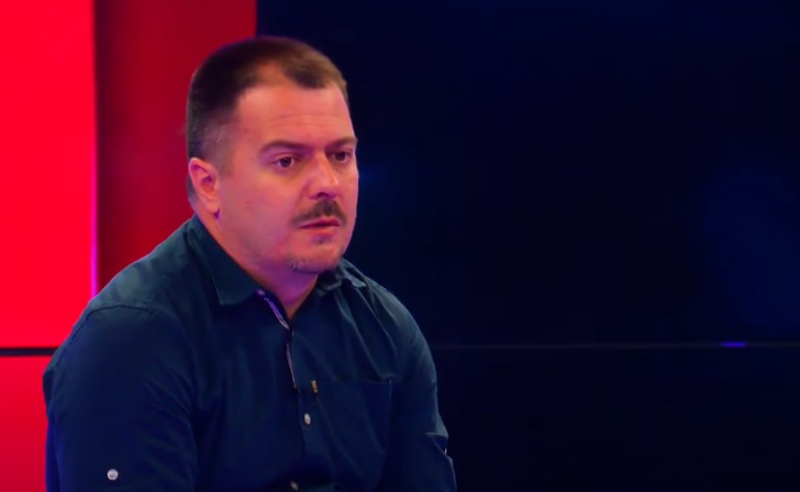
One of the leaders of the “Freedom Square” party, Giorgi Shaishmelashvili, believes that the possible restoration of transit through Abkhazia is a process directed against the country’s national interests, about which the government does not speak openly to the public.
In his assessment, decisions are being made not at the level of state institutions—such as the Ministry of Foreign Affairs, the Ministry of Internal Affairs, or the Security Service – but at the level of informal business groups associated with Bidzina Ivanishvili.
Shaishmelashvili suggests that the investments placed in the Gali terminal point precisely to preliminary agreements reached within these informal circles, where the main motivation is not state benefit, but the financial interests of specific actors and, potentially, corrupt deals.
The politician believes that restoring transit clearly serves Russia’s strategic interests, as it will provide Moscow with a means to bypass Western sanctions and create a new “black hole,” to which Tbilisi will have to turn a blind eye.
To make society accept this process, Shaishmelashvili predicts that the government will resort to a propaganda maneuver, wrapping personal financial gain in the guise of a “step toward restoring territorial integrity”.
Accents are expected on trust restoration, public diplomacy, and the return of IDPs, which in reality will only be rhetoric used to justify the process, as opening transit traffic would be politically difficult without such ideological preparation; meanwhile, there is a risk that “Georgian Dream” may use the 2011 Geneva Agreement for its own purposes, responding to critics with the enforcement of the contract signed during Saakashvili’s government, which stipulated that cargo should be checked in Gali and Psou.
However, in reality, effective monitoring of cargo at Psou will be impossible, and products entering the occupied territory will be distributed to Russia’s internal regions or third countries via unclear routes by sea, air, or land.
Giorgi Shaishmelashvili emphasizes that against the background of multifaceted civil protest, there is a serious risk that the issue of restoring transit through Abkhazia will remain beyond public attention or that the public will lack the resources to express serious protest.
In his conclusion, a party that blames its own country for starting the 2008 war and creates “commissions of betrayal” cannot be a guarantor of the real restoration of territorial integrity. On the contrary, such a non-transparent game with national interests will cause Georgia to finally break away from the Euro-Atlantic space, while territorial integrity will not be restored.
Gakharia for Georgia

The “Gakharia for Georgia” party believes that the operation of the Gali terminal threatens Georgia’s territorial integrity and strengthens occupation processes. Furthermore, if “Georgian Dream” agrees to allow cargo to enter this so-called terminal through Georgian territory, it will also threaten the legal foundations of the country’s territorial integrity, and such a step would be a betrayal of national interests.
The party believes that the Gali trade terminal may, in this case, acquire the function of a border-crossing point, which in perspective means that gradually the term “occupation line” will be replaced by “state border,” and the annexation of these ancestral Georgian territories will be finalized through “Georgian Dream”.
Aleksandre Rakviashvili, Girchi
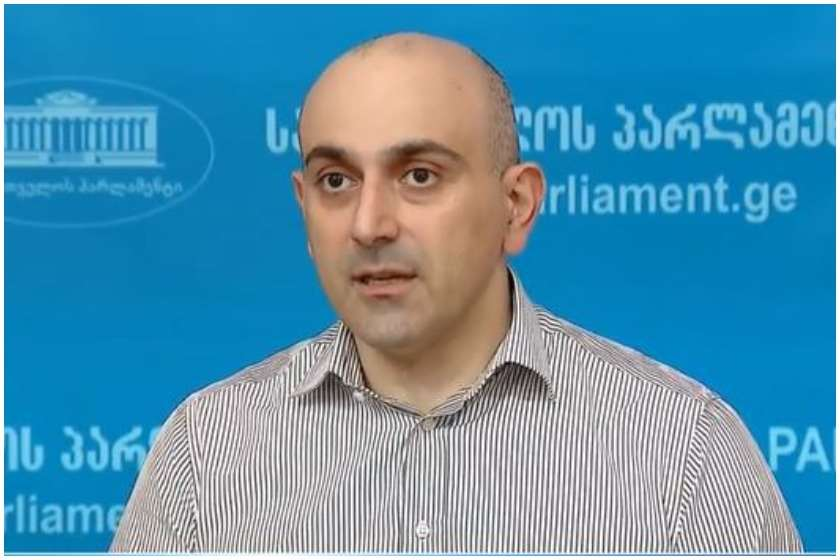
One of the leaders of the “Girchi” party, Aleksandre Rakviashvili, considers the prospect of restoring transit traffic through Abkhazia to be unrealistic at this stage. He says that taking this step by the government would be equivalent to the de-facto recognition of Abkhazia’s independence, and this issue is painful for Georgian society and consequently creates a political problem for the government.
Although the terminal built in the occupied territory might not have required massive investments, in Rakviashvili’s view, the fact that specific funds were spent in this direction raises serious doubts and risks, requiring special attention and an immediate reaction from society.
The politician emphasizes that creating a cargo inspection point at the administrative boundary by opening a transit route turns this line into a state border, which will ultimately form a type of relationship with Abkhazia that serves as a precedent for recognizing the occupied region.
Aleksandre Rakviashvili is skeptical of the idea that developing trade with Russia might prompt the Kremlin to recognize Georgia’s territorial integrity; in his assessment, by restoring transit through Abkhazia in this form, Georgia indirectly recognizes Abkhazia, which will subsequently bring irreparable political damage to the country.
Furthermore, he believes that transit trade on the Abkhazian section does not possess enough economic potential to justify such high political risks, especially since no beneficiary group exists within the country whose interest would compel the government to embark on such a dangerous adventure.
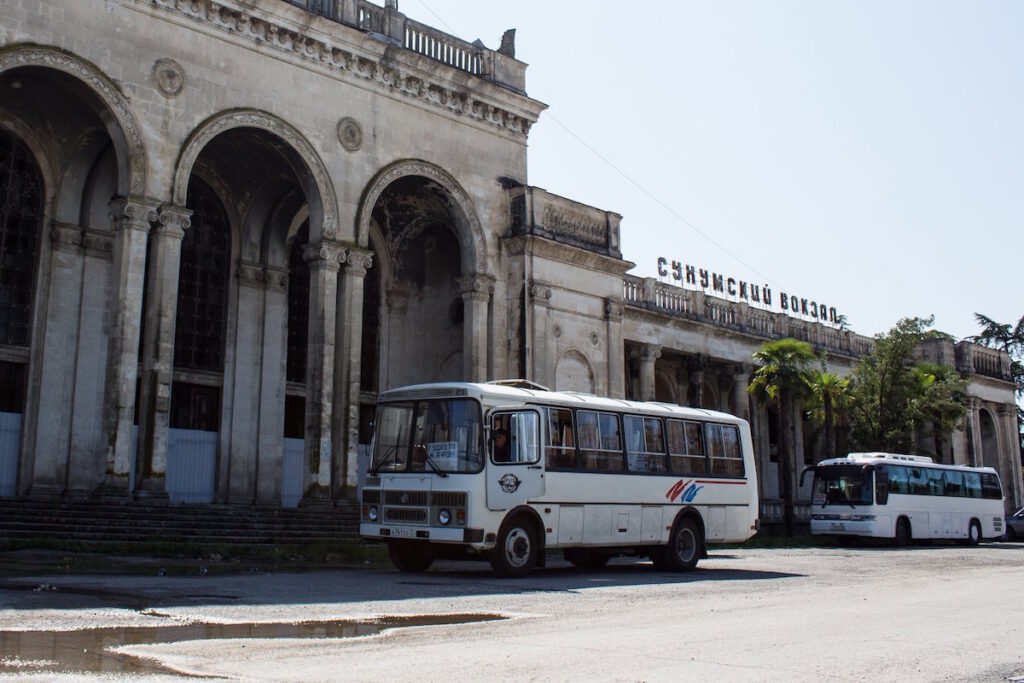
According to Rakviashvili’s analysis, Russia’s strategy is aimed at artificially creating “recognition symptoms,” such as recognitions of Abkhazia by various small countries, the rehabilitation of Sokhumi airport, and the repair of the railway.
The attempt to restore transit traffic is also an attempt to create this symptom so that the illusion of Abkhazia’s independence is established step-by-step. Ultimately, the politician believes that restoring transit is unacceptable, as this process will create serious risks for the country.
Teona Akubardia, Independent Politician and Former Deputy Secretary of the National Security Council
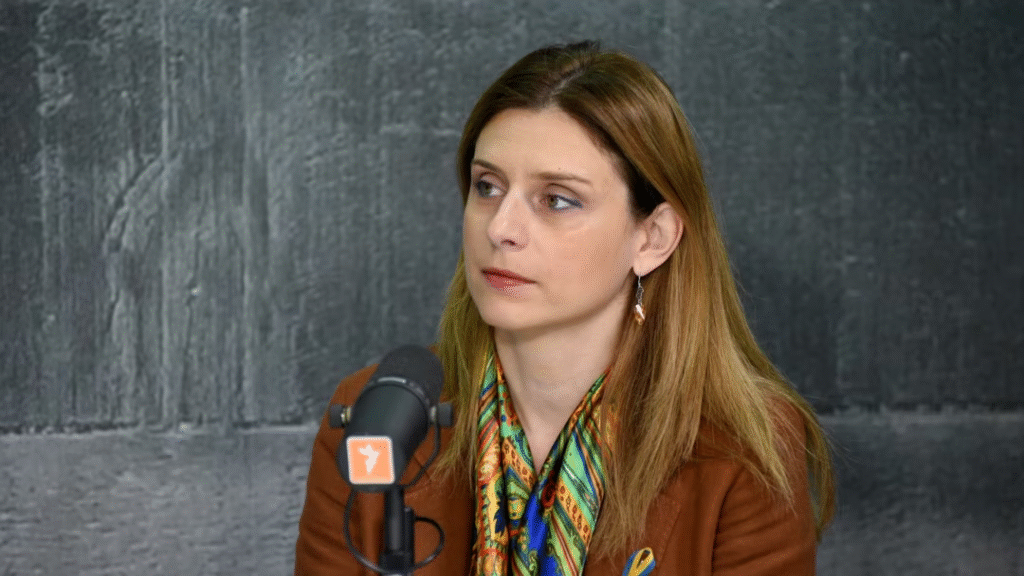
In Teona Akubardia’s assessment, the construction of the terminal in occupied Gali is a clear expression of a move by Russia to bypass international sanctions and another attack on Georgia’s sovereignty. The politician emphasizes that the construction of the terminal was not a secret, as many already knew about this process, including through video footage; however, the main problems remain political status and possible secret guarantees with the Kremlin.
Akubardia explains that the terminal fundamentally contradicts Georgia’s national interests because, unlike the 2011 Geneva Agreement—which provided for cargo monitoring in Psou and Zugdidi—arranging customs infrastructure in Gali means moving the de-facto border from Psou to the Enguri.
This process directly serves Russian-Abkhazian interests and, if operational, primarily threatens the country’s territorial integrity.
The situation is further exacerbated by the prospect of restoring railway infrastructure from Ochamchire to Gali, which, if connected to the rest of Georgia, would allow Russia to open additional transit routes to Iran and several other countries. Akubardia recalls that activating the Abkhazian railway was one of Bidzina Ivanishvili’s early initiatives, which was considered by bypassing the issue of Abkhazia’s political status.
Now, after Ivanishvili’s parliament falsely confirmed the accusation that Georgia started the August 2008 war following the Kremlin’s lead, it is not unbelievable that this is intended to fulfill another of the Kremlin’s demands, which involves signing a so-called “non-use of force agreement” and is the beginning of recognizing so-called independence.
The politician believes that Ivanishvili’s regime might expect financial benefits from this path, though the price will be leading the country toward the de-jure recognition of de-facto occupation. On the international stage, Georgia faces growing isolation.
While regional stability and the maintenance of Western influence depend on the “Middle Corridor” project, Georgia has turned out to be the only country excluded from these processes—the lack of communication with President Trump and the ignoring of the country at important meetings held under the auspices of the EU on the Middle Corridor issue are proof of this.
In Teona Akubardia’s conclusion, a Georgia weakened by internal confrontation and left without international partners allows Russia to finally complete its strategic goal: transforming democracy into authoritarianism, forcing the abandonment of European aspirations, and returning the country to its sphere of influence by splitting it into three parts.
However, as long as resistance against Ivanishvili’s regime remains strong, there is hope, just as there is hope that Russia will not achieve its desires in this great war, neither in Ukraine nor in Georgia.
Medea Turashvili, Movement for Social Democracy

Medea Turashvili, representative of the Movement for Social Democracy, believes that the Gali terminal should not be considered in isolation and is linked to the Sokhumi airport, the Ochamchire port, and their functioning.
The movement believes it is highly likely that secret negotiations are ongoing between the Georgian and Russian sides, and it was during this process that certain political guarantees were issued, without which no one would have taken the financial risk of building the Gali terminal.
Transit traffic on the Enguri and the operation of the Gali terminal will encourage a shadow economy. For Russia, this scheme will be a means of bypassing Western sanctions, while on the Georgian side, businesses merged with the government will benefit from this process, and elite corruption will increase.
As for ordinary citizens, Georgians and Abkhazians, Turashvili believes that the benefit from this process for them will be minimal. The Movement for Social Democracy believes that due to political risks, the restoration of transit traffic will not happen ceremoniously, and the Georgian government, to avoid extra problems, will start this process slowly, initially with a small-scale turnover of goods.
One result of this economic activity will be that Georgia will drift further from the European integration process, isolation from the European economy will increase, and at the same time, Georgia’s dependence on the Russian economy will grow.