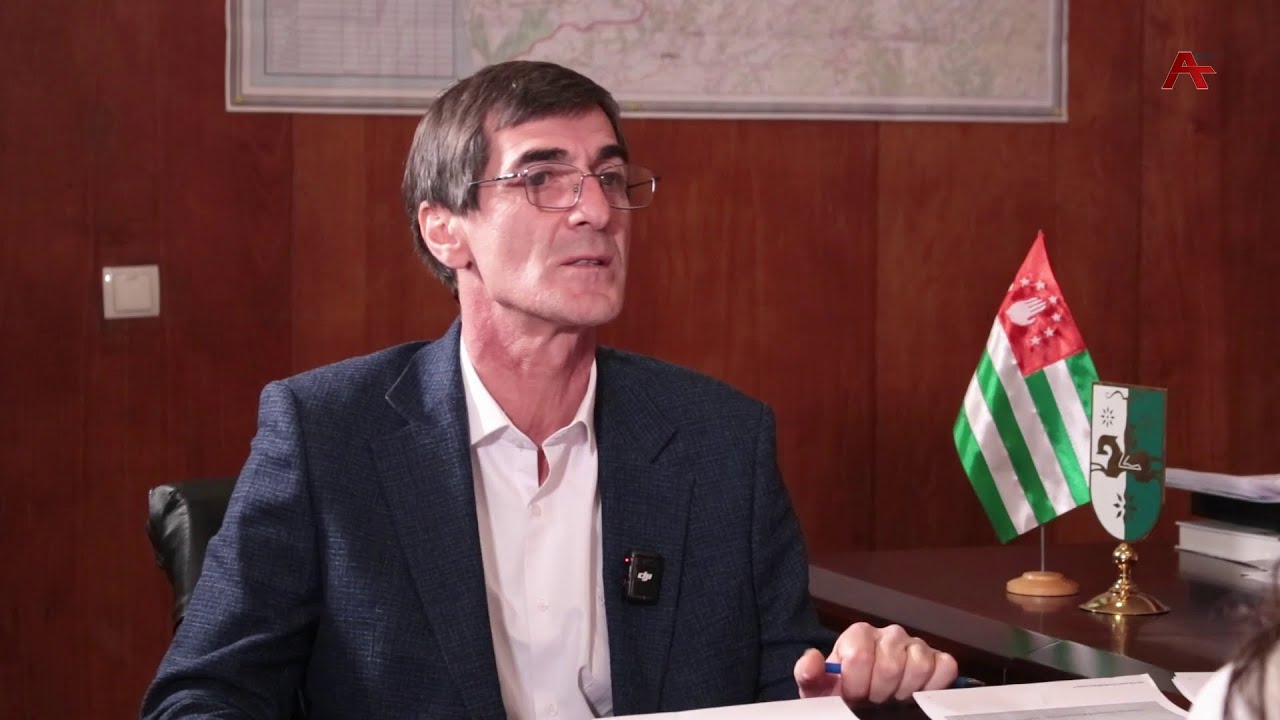








Political crisis in Abkhazia
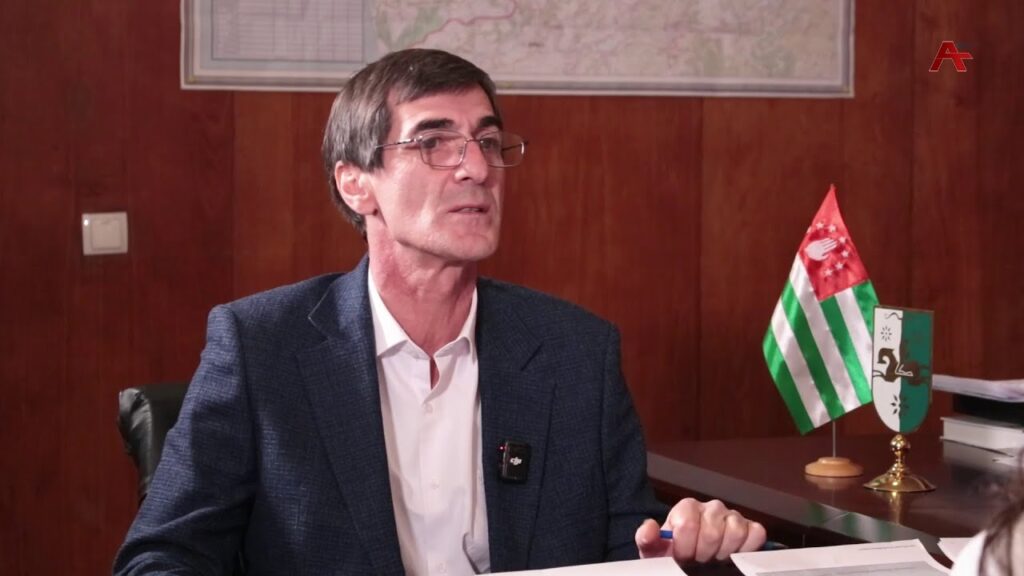
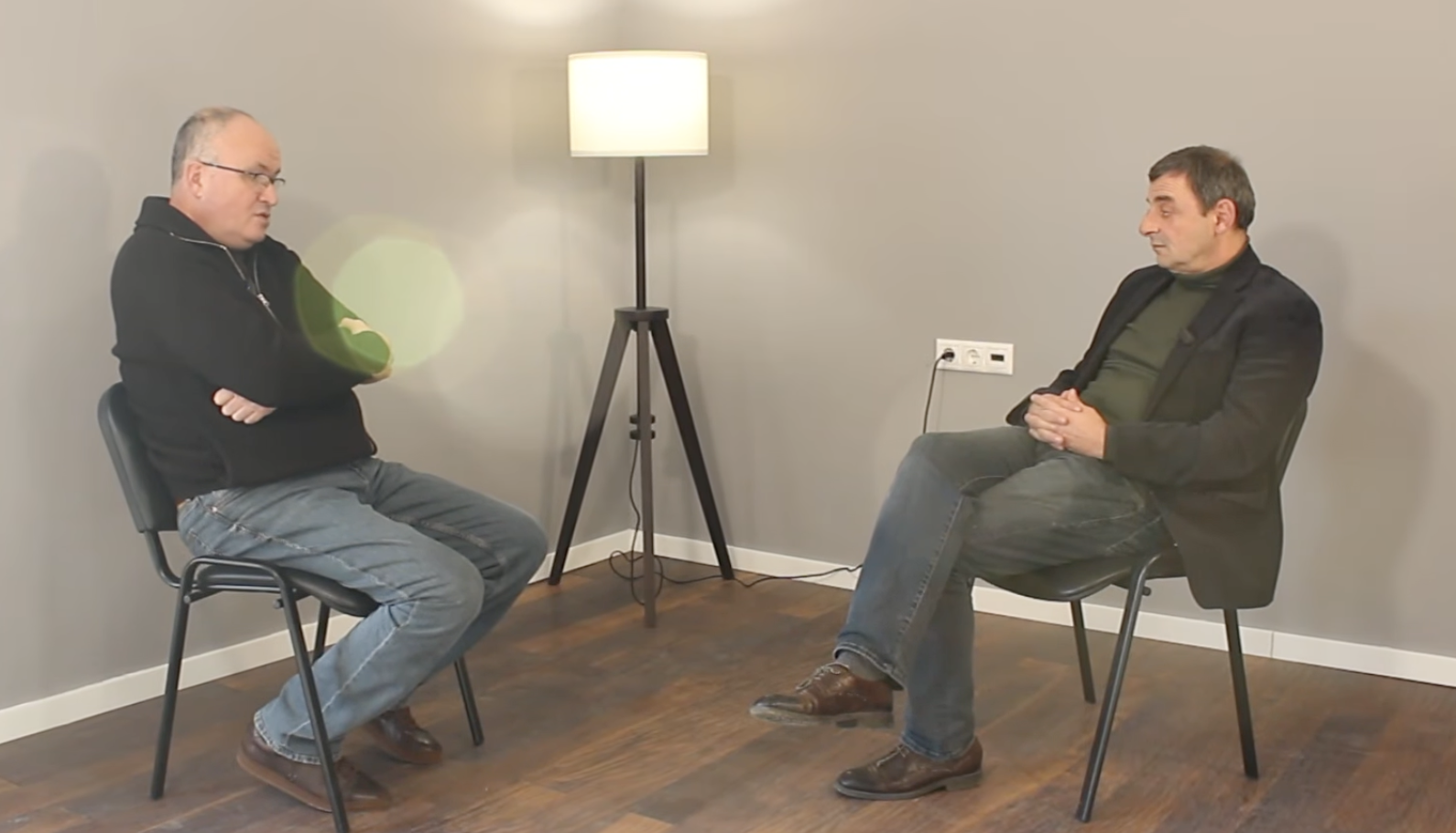
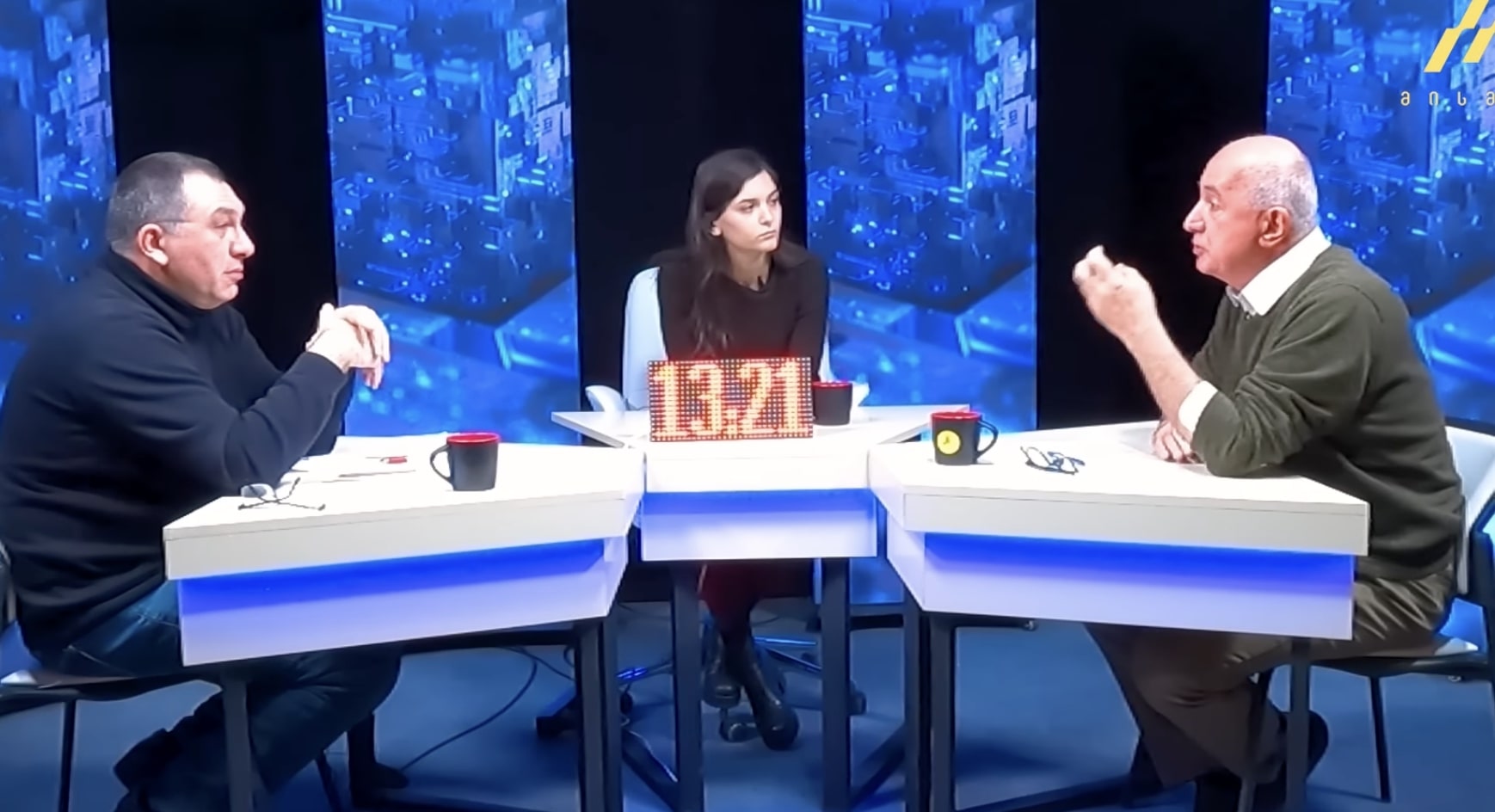
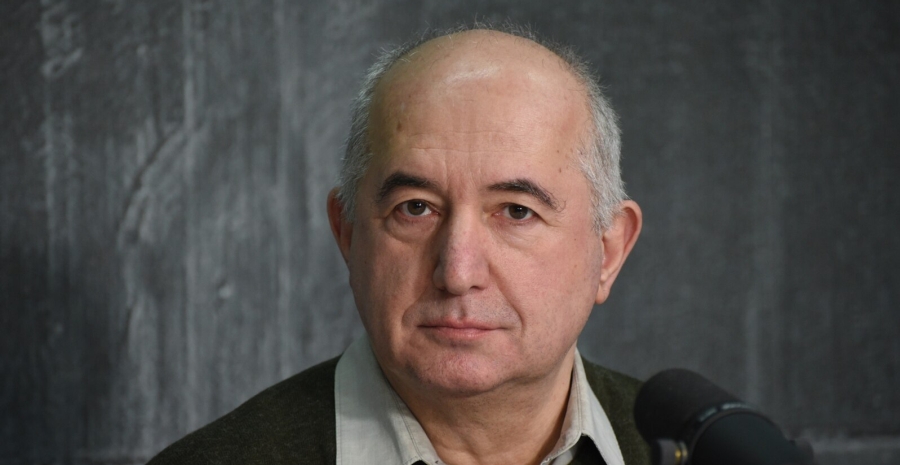
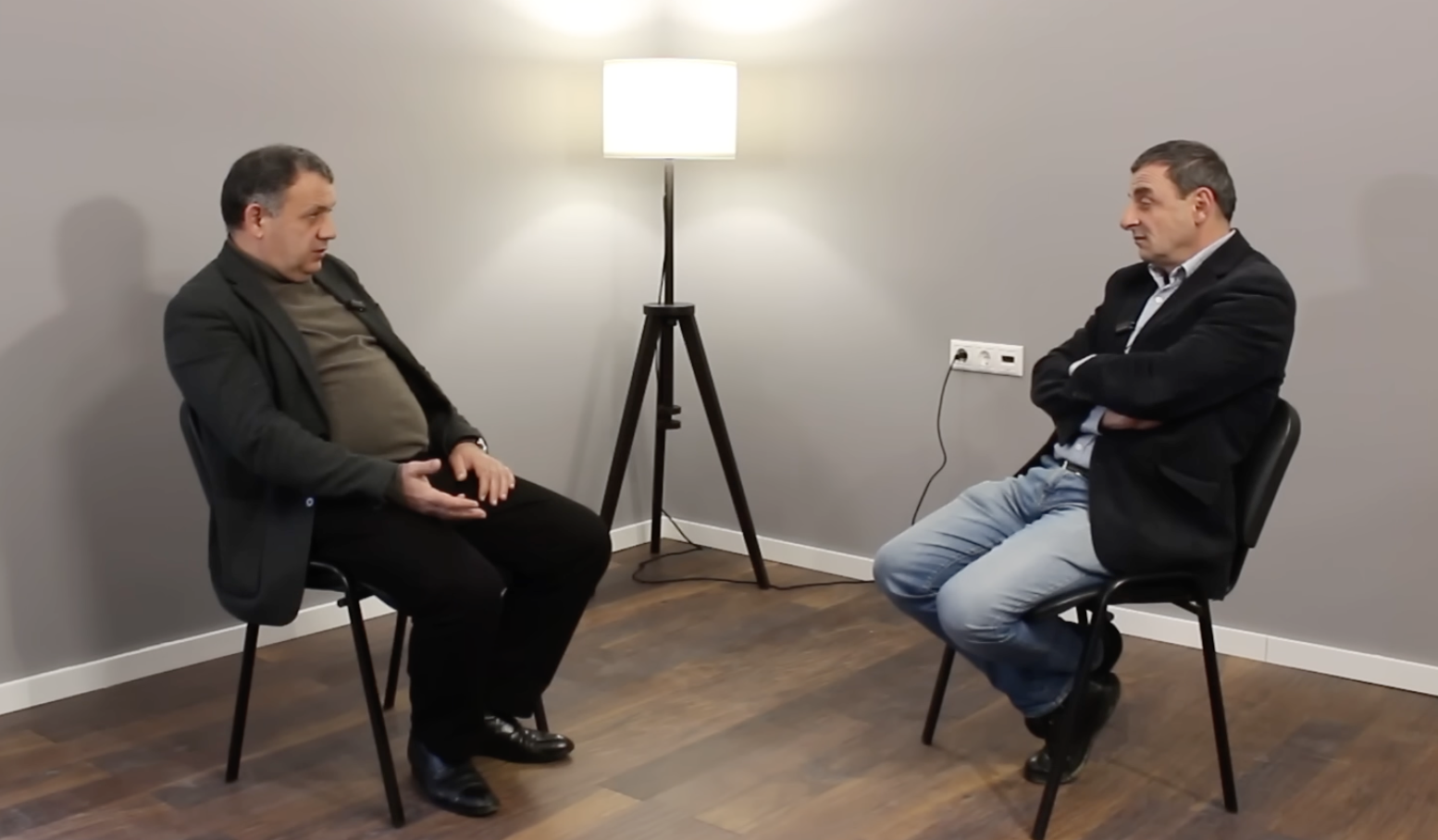
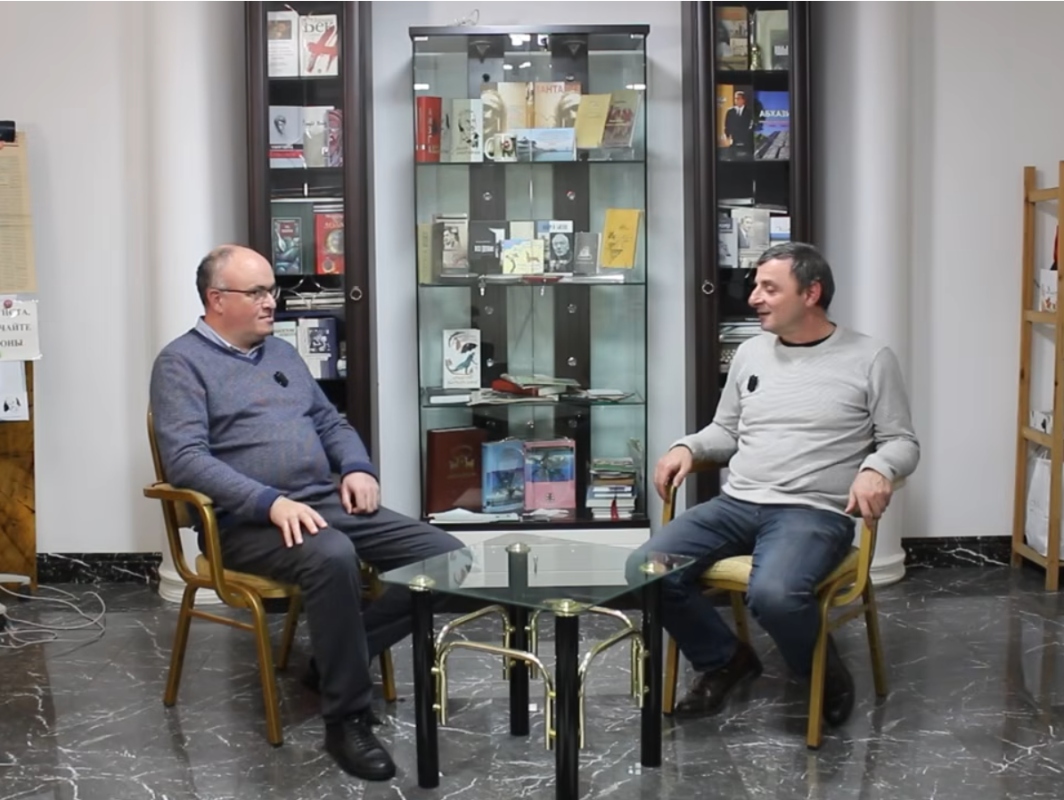
The confrontation between the government and the opposition is escalating in Abkhazia. Inal Khashig, editor of the Chegemskaya Pravda newspaper, discusses with historian and political scientist Astamur Tania how to resolve this crisis. Another topic of discussion is whether a regional rail link from Russia to Georgia via Abkhazia could be opened.
1.Politicization of the Russian passport issue
There is a dispute between the government and the opposition over two issues: 1) criminal cases against opposition members, 2) Moscow’s cancellation of the previously existing opportunity to obtain Russian passports while in Abkhazia.
Astamur Tania believes the solution is simple: everything should be resolved solely through the law and the courts.
Local residents, especially pensioners, would very much like to obtain Russian passports while in Abkhazia.
The cancellation of this opportunity has come to be seen as political pressure, but this would not have happened if the system had been properly organized.
2.Abkhazia and Russia
Abkhazia is heavily dependent on Russia for security and communications with the outside world.
However, Abkhazia refuses to resolve even the issues it can independently, leading to constant political crises in the republic.
It needs to develop its own economy and state institutions.
It is important to proceed cautiously in relations with Russia.
3.A normal domestic political dialogue is needed
The old political elites are leaving, and the new ones are much weaker.
Parliament is more concerned with minor economic issues than with state matters.
A normal political dialogue is needed, not a “who’s against whom” struggle.
A new idea – the “Civil Forum” – could help publicly present different opinions to society.
4. Railroad connection through Abkhazia
The situation in the region is changing, and new transport corridors are emerging.
If Abkhazia is involved, this will lead to economic development and greater security.
It is important to be more actively involved in deciding our future and in regional projects.
Full text version of the interview:
Inal Khashig:
Hello, this is Chegemskaya Pravda on air. Today we will talk about both domestic and foreign affairs.
Our guest today is our regular political expert, Astamur Tania.
Astamur, good afternoon.
I’ll start with the conflict that is currently at its peak
It concerns the confrontation between the authorities and the opposition over a criminal case and the issue of passports
Even opposition members I speak with, who actively raise this issue, understand that some kind of compromise needs to be found and the situation somehow needs to be calmed down
How do you see the development of this conflict in a more positive scenario?
Astamur Tania:
There is a very simple formula: when you don’t know what to do, act according to the law
We say that we are an independent, sovereign state
Such a state has the appropriate authorities and law-enforcement institutions
I think we should follow the legal procedure
Since the case is already in court, it seems to me that everyone should be interested in strengthening the legitimacy and effectiveness of these institutions, including the courts
Why try to predict in advance whether the court’s decision will be fair or unfair?
I read various statements, but the trial is public
It is possible to use that platform to present arguments and speak about all the circumstances of the case
It seems to me this is the only way forward
If we try to resolve these issues through street politics, it will not lead to anything good
We know that our society is vulnerable and the context is very difficult. I don’t see any other option that would lead us to the results we hope for
We probably hope to emerge from this situation not in a half-ruined state, but standing stronger and on a lawful foundation
Because a state is built on the rule of law.
Inal Khashig:
On the other hand, because this story has been unfolding for several months, it has become too high-profile
Accordingly, any action will be interpreted in different ways
And high-ranking officials will also interpret it in different ways
I listened to the president’s interview, where he called for not politicizing this case
But it seems to me that it was politicized from the very beginning
If the law had been applied in time, this situation might not have arisen in the first place
Astamur Tania:
This isn’t the first time we’ve discussed this problem
We’ve talked about it before
There was a delayed reaction from the authorities
We discussed that as well
Inal Khashig:
Let’s talk not only about the criminal case itself, but also about how to get out of this situation
In our experience, no one is ever identified as responsible when mistakes are made
Whose miscalculation was this?
Take the issue of issuing Russian internal passports on the territory of Abkhazia, more precisely, in the offices of the Interior Ministry
There is a strong demand for this among people, especially those of retirement age who rarely travel anywhere
They have to change their passports every five years, wait, and pay money to obtain this document
Of course, for them it is much easier to receive an internal passport once and not have to change it again for the rest of their lives
On the other hand, there seems to have been an agreement at the highest level, but then the institutions should have done their part
What needed to be done to legitimize all of this?
The executive branch should have presented its proposal to parliament, and parliament would then have made a decision.
Astamur Tania:
There are always a lot of emotions in our politics, and that’s a good thing
Because politics without emotion is like cold mamalyga (porridge)
It’s important that there is public debate, that different views clash, and so on
But it seems to me that we do not exist in isolation
If Abkhazia were in the same position as other post-Soviet republics that have full international recognition, that would be one situation
But many of the processes taking place here are linked to the fact that our only connection to the outside world and our main source of security is the Russian Federation
De facto, it is difficult to call us a state equal to the countries of Europe
In fact, we are a protectorate
This is partly our own fault as well
For decades, many issues that we should have resolved ourselves were not addressed
Instead, we shifted that responsibility onto the shoulders of a friendly state
But we should not forget that it is another state
We probably need to define the scope of the work that we ourselves can do
We cannot constantly put forward demands while at the same time avoiding responsibility ourselves
People are saying it’s a crisis
Honestly, I don’t consider these episodes to be any kind of crisis
We have been living in a state of permanent crisis for a long time
It is caused precisely by the fact that we declare demands and desires, but we do very little to make them happen
Life around us is moving forward
Life inside Abkhazia is also moving forward
Economic processes are developing
One can’t stay in a static state for long
We need to define our own program
We say that we are a sovereign state
Where is the front line of our responsibility?
Yes, we are closely connected with Russia, we are in its security interest zone, in the ruble zone, and so on
We have special relations
We are under the protection of Russia
Within that framework, we can still do something
Otherwise, we will constantly face situations where we are told, ‘This is not allowed’
Then there will be nothing at all
So let’s just do it ourselves
Here, a fair question is being raised
We have a contractual framework with Russia regarding the recognition of our documents
But this issue still needs attention
When Russia made some decisions, they were not directed against Abkhazia
They apply to all countries neighboring Russia, regarding driver’s licenses and other matters
Probably, this issue should have been raised earlier
It’s not too late to raise it now
We can work on this issue without turning it into some kind of conflict
We are not in a situation where starting a conflict makes sense
Because people can interpret it in different ways
We always need to keep that in mind
Over the past 25 years, Abkhazia has generally enjoyed a friendly attitude from Russia
But I want to remind you that in any large country, there are always different players, different political views – toward the region and so on
In the 1990s, we constantly had to navigate between Scylla and Charybdis of Russian politics itself, not just international politics
There were friends, and there were those who were not very sympathetic to Abkhazia
And our task as a small state is to make sure that the line of your friends works
So that other options are not activated
We have to take into account our actual situation
If we talk about sovereignty, we have to work for it
What is sovereignty, first of all?
It’s the economic foundation that ensures the existence of the state
It includes everything – energy, transport, taxes
Second is security
It’s clear that a state like ours cannot survive on its own in a global conflict
But a state still needs its own security tools to be able to take part (in political affairs)
We have the relevant agreements with Russia
But we ourselves need to be part of a security system, face modern challenges, and have our own security forces
These are basic things
We don’t meet these basic requirements yet, we just talk about them
And one can’t achieve this all at once
It requires a lot of work
The opposition should criticize the government
The government must – whether it likes it or not – maintain a dialogue with the opposition
So far, I hear at least a verbal willingness for this
At this point, no red lines have been crossed where dialogue becomes impossible
We need to try to guide it into some agenda, into some channel
After all, we can’t ignore what’s happening in the world, including in our region
These are, in the long run, very complex events, containing both opportunities and dangers
Here, the situation must be managed
There must be a political elite doing collective work, at least in this temporary period,
so that we can navigate the world around us
I think this basic necessity exists
And it applies not only to the opposition but also to the government
Goals that we face need to be publicly stated
There are some problems that can be raised publicly
We can’t jump above our heads right away
We need to go through certain stages
Too much time has been lost, and not very constructively
We must keep this in mind
Inal Khashig:
In reality, both sides talk about the need for these political forces to interact closely, to get in contact, to meet
As far as I know, there are occasional behind-the-scenes meetings now
But again, they are behind-the-scenes meetings
Astamur Tania:
These behind-the-scenes meetings have already been made public
Inal Khashig:
Yes, they’ve been made public
Astamur Tania:
How “behind-the-scenes” they really are, I don’t know
Inal Khashig:
But in any case, the secrecy has always bothered me
Astamur Tania:
But you can’t always discuss certain issues live on air
Inal Khashig:
Of course
Astamur Tania:
If you meet, discuss certain things, and reach some understanding, then probably some steps need to be coordinated
Inal Khashig:
This should be a parallel track
On one hand, there should be behind-the-scenes meetings where it’s easier to make agreements without cameras or witnesses
But on the other hand, it’s also important what we see on screens
People on one side make statements saying the others are undermining the foundations of the state
And the other side that same evening points fingers at the first side, saying, ‘If it weren’t for those villains, we would have long been living under real communism’
Astamur Tania:
They don’t actually say that word
Inal Khashig:
Well, I’m speaking figuratively
Meaning, communism and complete idyll would have come
This puzzle of normal political dialogue in society doesn’t fit together
It’s very bad that at one time President Aslan Bzhania made [such a decision]
But even before him, it was already being considered that in our parliament, there should be an absolutely quiet political environment, which only makes itself known during major crises
Astamur Tania:
In my opinion, even if such ideas existed, nothing came of them
Inal Khashig:
Nothing came of them, but still, this political culture, where the parliament would become a platform for political discussions, never developed
Astamur Tania:
Maybe this has been a problem in our society in recent years?
Inal Khashig:
You know, some things still need to be controlled.
Astamur Tania:
You know what I think is happening?
The political elite that was trained during the Soviet period and up to the early 1990s is naturally leaving active politics
My view of the political elite of the current generation:
They have not developed in a way that allows them, even to the same extent as their predecessors, to meet the challenges of today
This is also a question for our society
When people go to vote, for example, for an MP, what task do they see in front of them?
Is it just, “We need to fix a road”?
That’s important, of course, but those are the responsibilities of municipal MPs
That’s the problem
The parliament is supposed to address major state issues
But unfortunately, there are fewer and fewer people in parliament who are even capable of discussing these issues
I seriously doubt that the elections we will have next year will radically change the situation
It’s understandable that both the government and the opposition will focus on certain individuals
However, at the very least, they should consider – this may be a useless appeal, but still, I would like them to do it – whether a person can actually engage in legislative work
What field is the person a specialist in?
From this mosaic of specialists with different backgrounds, temperaments, and political views, the so-called “golden parliament” that we once talked about is formed
Again, this is a question of how well we ourselves can manage the situation in the country
And how we can confirm in practice what we declare every day and what is written in the Constitution
But this requires taking certain steps, at least the basic ones
Inal Khashig:
At the beginning of March, a civic forum will take place, which the Public Chamber has been preparing for several months
According to the plan, all political forces and all public organizations will be represented there
Perhaps some consolidated opinion or agenda will be developed as a result of this forum
Astamur Tania:
It’s very good that such public forums are being held
It should be made as representative as possible
So that some kind of outcome is produced – something we could use as a starting point
Inal Khashig:
In general, it would be good, but this is the first civic forum in many years of internal political confrontation
It is not tied to either the parliament or the executive branch
And all political forces will be represented
That is, the people carrying this idea will make sure the forum follows this formula
So that it’s not “one thing on paper, and something completely different behind the scenes”
But I wouldn’t want this to be a one-time event
I would like communication in this format within the political forces of civil society to happen periodically
Once a year wouldn’t hurt, just to check in and see where we stand
Or at least gather everyone in one place and talk openly about the problems facing the state and society
Astamur Tania:
I think the forum’s agenda is set up the right way
Inal Khashig:
I’m just saying we need to make sure this forum doesn’t happen only once
Astamur Tania:
We don’t really know yet
Inal Khashig:
I’m just talking about my hopes
Astamur Tania:
I see it as a step in the right direction
It’s not clear yet what it will turn into, or whether it will be, like you said, just a one-time decorative event – of which we’ve already had plenty
Of course, we don’t want that
So far, the points I see are relevant for different political groups in Abkhazia
It gives a chance to those who actually want to reach agreements
We need to move away from constant confrontation, but that doesn’t mean getting rid of political competition
Competition is necessary
But it should focus on things that actually move us forward
Things that let us take the next step in strengthening our state
I know I’m saying obvious things, but the lack of this is really felt
Inal Khashig:
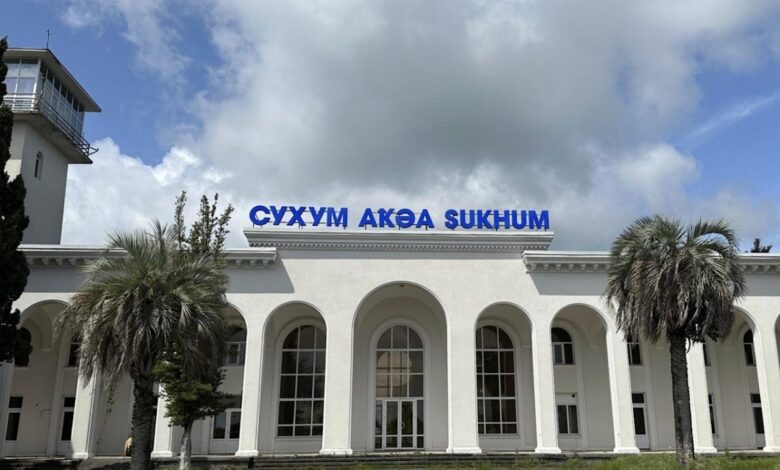
Last week, Russian media were discussing the topic of opening through-railway traffic across Abkhazia
There was a reaction in Tbilisi saying that, there are no agreements on this, and they haven’t even discussed it with Moscow
Although, Russian media presented it with a hint that there were some kind of agreements on this with Tbilisi
How do you see this situation?
Astamur Tania:
This is our favorite topic
Inal Khashig:
Our favorite topic
Astamur Tania:
7 or 8 years we’ve been talking about transit
Inal Khashig:
We’ve been talking about it even longer. Just less on air
Astamur Tania:
We’ve been talking about this publicly for quite a long time
Why have we been talking about it for so long?
Because we need to think about how to build a long-term model of stability and security, and how we will participate in it
This is especially relevant after the end of the Karabakh conflict
Everyone is talking about it
These processes have been happening slowly, gradually gaining momentum
And now, dialectically speaking, quantity is turning into quality
That is, the world order is changing
The balance of power in our region is shifting
The status quos that were familiar over the last 30 years are breaking before our eyes
We can see what’s happening in Armenian-Azerbaijani relations, it is unprecedented
There was a sharp ethno-political conflict there
It still exists on a mental level, but despite that, these processes are moving forward
This, of course, raises even sharper questions for Abkhazia and for Georgia
And with the old rhetoric, it’s difficult to enter this new world
Inal Khashig:
And to remain in it
Astamur Tania:
We have to accept some sacrifices and compromises, because geopolitics is built around communication
I’ve heard Georgian experts and government representatives say, “We will integrate into the Zangezur corridor”
That option is, of course, possible
But on the other hand, in the long term, it would mean that Armenia and Georgia come under Turkey’s protectorate
Alternative paths give the chance to expand the room for maneuver and take a more or less independent position
Inal Khashig:
A balanced one.
Astamur Tania:
A balanced one
Of course, there’s a lot of myths, a lot of grudges, and so on
But I think the thoughtful part of society – the political elites – still need to look at the long-term perspective
Not just geopolitics, but also things like demographics
Take Karabakh, for example – how did the population there change?
Or the population balance between Armenia and Azerbaijan?
Or how did their economic potential shift over time?
These changes happened gradually, building up over the years, and led to the results we see now
We’re not in a strong position – not just us, we’re quite weak in this sense, but also Armenia and Georgia
Their populations are declining
Armenia is mono-ethnic; Georgia is multi-ethnic and multi-religious
By the way, you can’t deny that the Georgian elites are skilled
They have to maneuver carefully to protect their country’s interests
People like to throw labels at them, saying they’re “pro-this” or “pro-that,” but that doesn’t really explain the situation in Georgia
A pragmatic approach is needed
For us, the main benefit if these communications were unblocked would be joining an international project that creates conditions for security
That’s our basic interest
Where large projects like this exist, the risk of armed conflict is lower
That’s the first point
Economic benefits could also come from it
Right now, people say, “Their system doesn’t recognize us, and we won’t accept their territorial integrity – our positions are completely different”
But we have past experience
Before 2008, we considered ourselves an independent state
Our independence existed even before Russia recognized us
Back then, we didn’t recognize Georgia’s territorial integrity either, and they didn’t recognize our statehood
Inal Khashig:
But documents were signed.
Astamur Tania:
Still, there was a negotiation platform where we participated as parties to the conflict and could sign documents on the areas that were important to us and of mutual interest
And it wasn’t only about security, by the way
Humanitarian and economic issues, confidence-building measures, and various other matters were discussed
If such a platform existed now, we would have a buffer through which we could negotiate on transit, on the issues of the Gal district population, and other matters as well
Exchanging outdated statements on this topic only delays things and could create new challenges that we are currently completely unprepared for
We must participate, even in this small area, in shaping our own future
This is probably where our agency should show itself
Inal Khashig:
On the other hand, in the context of Russian media activity about Russia’s desire to restore through-railway traffic, doesn’t this seem like a kind of signal or food for thought to other major players, especially the Americans?
(It can be seen as a signal) that if the goal is stable operation of the Zangezur corridor and regional stability, Russian interests should be considered
Russia’s interest is to have access through Abkhazia, Georgia, Armenia, and Iran
Russia sees it as a balancing factor, which it is offering primarily to the Americans
Astamur Tania:
I think it’s impossible to do this without the Americans, because the solution to this issue lies beyond our region
There are major regional players – Russia, Turkey, Iran
And there are external players – the European Union and the United States
The United States is especially active right now
The EU’s influence in the region is weakening
This is caused by internal problems and other realities
The EU is facing a crisis
If all communications were functioning, if the Transcaucasus and South Caucasus worked as a communication corridor, I think it would help reconcile the interests of different players
Because today you have the advantage, and tomorrow your competitor might
And when the situation changes like that, it can lead to armed conflicts
But if basic conditions are created, where interests are considered and a new balance in the region is formed, then we can say that in the long term there will be peace, stability, economic development, and opportunities for investors
Geopolitics should bring dividends
It should be beneficial from different perspectives – technological, economic, and political.
I think, if we look a bit more broadly – this may sound strange right now – it shouldn’t be about dividing spheres of influence
It should be about a formula for interaction, for conflict-free cooperation
That’s what we need to think about
We should offer some ideas on this
Inal Khashig:
You say we can offer some ideas
But it’s not you or me who should be proposing ideas
Astamur Tania:
Who’s stopping us?
Inal Khashig:
These ideas need to be gathered and managed by the authorities, proposed at a completely different level
This shouldn’t be happening in a studio of a newspaper like Chegemskaya Pravda
I think that when such topics arise, our authorities should be able to respond, already have an opinion on the matter, or even some vision of how it could all work
Complete silence is poorly perceived in Abkhazian society
When the authorities stay silent, it always seems like there’s another conspiracy going on
Recently, when the opposition was meeting, someone asked why our authorities haven’t said anything about the railway project
Even if it’s obviously a good project, if they stay silent, others can attach all sorts of unintended interpretations or twists to it, completely different from what we would want
Astamur Tania:
Honestly, I haven’t been focusing on the railway and so on
The discussion should be about how we participate in communication projects in general, so that our position can be integrated into the interests of different participants
After all, this is a matter of compromise
We need to develop a compromise that doesn’t harm our interests, but rather advances them, while also being acceptable to the other participants
Right now, there’s just another wave of noise around this topic
Maybe it will settle again and nothing will happen
I think we need to use this wave of interest to promote what you’re talking about
Of course, there should be a public position from the authorities, from different branches of government
Maybe the MPs will say something, the executive branch, naturally
We could organize a discussion on this topic with experts and government representatives, and maybe involve the press
That would be interesting
First of all, it’s an important topic
We’ve been focused on just two or three issues
Inal Khashig:
It’s already getting boring
Astamur Tania:
It feels like, apart from this, nothing important is happening in the world for Abkhazia, as if everything revolves around it
This needs to be stimulated
The initiative should primarily come from the executive branch
Because, first of all, it is the one that will make certain decisions
You can’t assume that society will be thrilled, or that it fully understands what will happen
You need to make your position clear to society, show where you are leading
Show that you’re not just a rudderless ship, but that you have some ideas for managing this process
At least within our small zone of responsibility
I think this is something that absolutely needs to be done.
Inal Khashig:
I’ll start wrapping up our small zone of responsibility with Astamur
Our authority is limited to the bounds of our broadcast
But still, I want everyone in their place to have clearly defined areas of responsibility, and to fill those areas with concrete content
With that, I’ll say goodbye to you, Astamur. Thank you very much. Goodbye, until next time.