







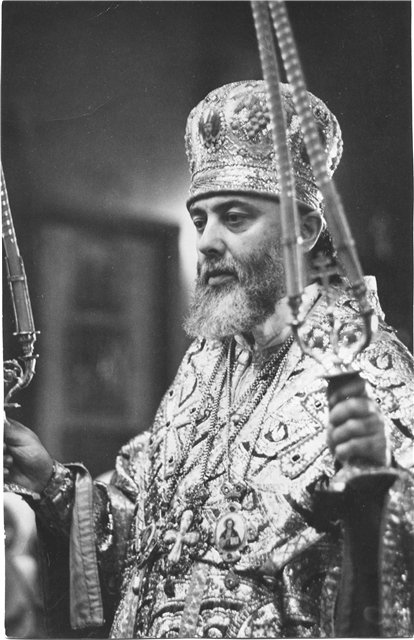
Paata Zakareishvili on the Late Patriarch
Catholicos-Patriarch of All Georgia Ilia II passed away late in the evening of March 17, 2026, at the age of 93. He led the Georgian Orthodox Church for 48 years and was laid to rest on March 22 at the Sioni Cathedral in Tbilisi. Most experts agree that Ilia II possessed exceptional authority within society. For decades, various polls consistently identified him as the most respected figure in the country. This influence remained steadfast despite his advancing age and the sharp polarization of Georgian society.
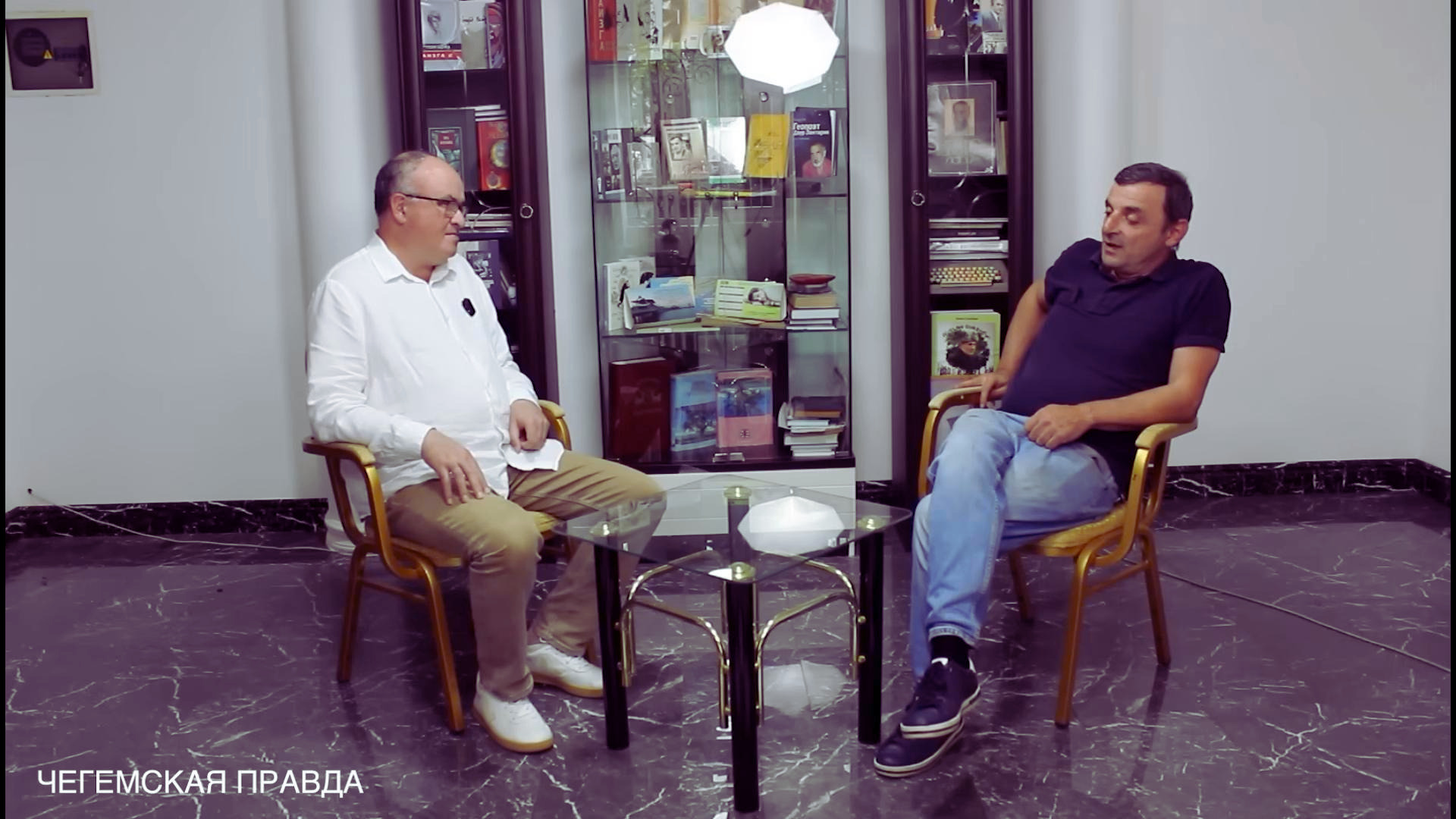
An interview with Georgian conflict studies specialist Paata Zakareishvili regarding the following themes:
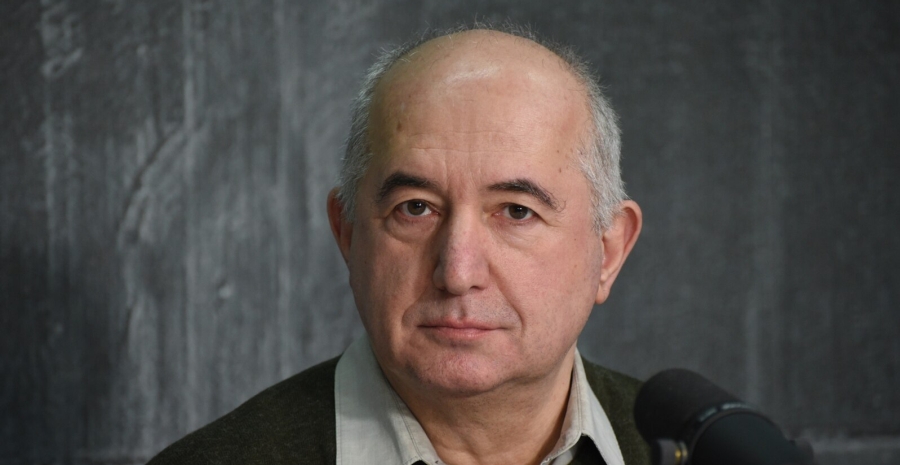
Paata Zakareishvili: During the Soviet era, the Church did not wield significant influence in Abkhazia, contrasting with other parts of Georgia. Few people were familiar with Patriarch David, the predecessor of Ilia II.
An ordinary person might not have even known who the Patriarch was at the time. However, within the narrow circles of those active in the church, we knew one another. Within that context, people knew who the bishops were, and even that small circle knew who attended services.
We were aware that, at the time, the young Metropolitan of Abkhazia was Ilia Shiolashvili.
During that period, more prominent bishops served in other dioceses; they were the ones in the spotlight.
Ilia was invisible.
He deserved more sympathy. In Abkhazia itself, the Abkhaz did not know who their Metropolitan was. Later, toward the end of the 1980s, the situation shifted. The Church became more prominent alongside the strengthening of the national movement. By then, many locals knew, for example, that David Chkadua was the Metropolitan of Abkhazia.
While a large portion of the Abkhaz population recognized Chkadua, many were unaware that Ilia II had held that seat before him. This was the landscape leading up to the war.
The Abkhaz knew Ilia primarily as the Patriarch of Georgia, rather than as the former Metropolitan of Abkhazia.
This was the general picture because church activity was neither popular nor widespread at the time. For the Abkhaz, the image of their first bishop is personified by David Chkadua, not Ilia.
Question: What was the role of the Church during that period?
Paata Zakareishvili: For the Abkhaz, the Georgian Church was viewed negatively; they believed it was clouding the regional situation. This was the Perestroika period, when active grassroots processes were beginning. There was no direct aggression toward Chkadua.
Chkadua himself clearly attempted to be a conciliatory figure, striving to remain moderate and balanced. However, the negative sentiment toward the Georgian Church was directed specifically at the Patriarch. In the eyes of the Abkhaz, the Patriarch was a negative figure, even if Chkadua managed to calm the local situation. Still, it would be incorrect to say the Abkhaz paid the Church much attention.
Their criticism remained largely focused on the national movement. However, regarding the Georgian Church, the picture is this: negativity accumulated around the name of Ilia, while locally, there was no such negativity or aggression toward Chkadua.
The Georgian Church was not a leading force in political processes until April 9, 1989. After that day, a completely new history began.
Two episodes from that period are linked to Ilia’s name. He visited Abkhazia once before the war. He traveled to New Athos and tried to reach Gudauta, but the Abkhaz blocked his passage.
I do not know exactly what caused such irritation toward Ilia. It may be linked to another instance in late October 1990, when the Patriarch threatened to anathematize any Georgian who shed Georgian blood. The statement—”A killer of Georgians will not be spared”—was a specific declaration.
The Ossetians did not react strongly, but many Abkhaz interpreted this to mean that while a Georgian could not be killed, an Abkhaz could! They misinterpreted his words.
I believe these events led to the protests and tensions surrounding his arrival in Abkhazia in the autumn of 1990. These two episodes fostered a negative attitude toward Ilia.
Question: Was the Georgian Church active in any way during the war itself?
Paata Zakareishvili: During the war, the Metropolitan of Abkhazia was Daniel Datuashvili. He remained in the region constantly, frequently visiting the front lines and managing to conduct prayers and services in danger zones. He was not characterized by aggression toward the Abkhaz; he was not anti-Abkhaz. However, the Church did not participate in negotiations or formal relations with the Abkhaz side. Abkhaz had distanced themselves from the Georgian Church.
The situation changed when Daniel later moved to another diocese. In 2010, the Patriarch took the title of Metropolitan of Tskhum-Abkhazia. Apparently, Ilia feared that Russia might recognize the autocephaly of the Abkhazian Church and took steps to prevent this. During liturgy, Patriarchs must be addressed by their official titles, and it is notable that the Russian side still refuses to do so. Even at the time of the Patriarch’s death, his full title was not acknowledged by them.
Question: How did the Church handle Abkhazian issues after the war?
Paata Zakareishvili: The peace process, whether political or civil, took place without the Church’s involvement. During this time, the Church focused on ecclesiastical matters and its jurisdiction over Abkhazia. This is why they attempted to settle relations with Moscow – to ensure the latter had no claims to Abkhazia or grounds for such claims.
In my view, Moscow blackmailed the Georgian Church using the Abkhazian Church issue.
They officially recognized the Georgian Church’s jurisdiction but constantly created the impression that this was a precarious position that could soon change.
I believe the main friction in the relationship between the Georgian and Russian Churches stemmed precisely from the Abkhaz context. The Patriarchate’s primary fear during this period was that Russia would annex Abkhazia ecclesiastically as a diocese or support its secession. While autocephaly is absurd from a canonical standpoint, the real risk was seizure and appropriation.
Question: What was Ilia’s personal attitude toward these issues? Did he have plans he couldn’t realize? What did he obstruct, or did he simply not pay attention? What was the role of his personality?
Paata Zakareishvili: He was always interested in Abkhazia. He always acknowledged and reminisced about the fact that he spent the precious years of his youth there.
Even during my own service as a State minister for reconciliation, I visited him regularly to discuss ongoing events in Abkhazia. One of our last meetings took place in 2017, two days before Bishop Shio was appointed as co-rector. I was invited, and we spoke about developments in Abkhazia. A meeting of similar substance occurred in 2019.
The Patriarch constantly asked, “What should we do to find a common language with the Abkhaz? How can I participate in this matter?”
He wanted the Church to play a more significant role in the peace processes. The Patriarch was ready and interested. He often said, “Abkhazia is my pain, my love.”
He constantly strived to maintain a connection to the Abkhazian problem and sought to play a positive role.