







Georgia’s unresolved conflicts | View from Tbilisi
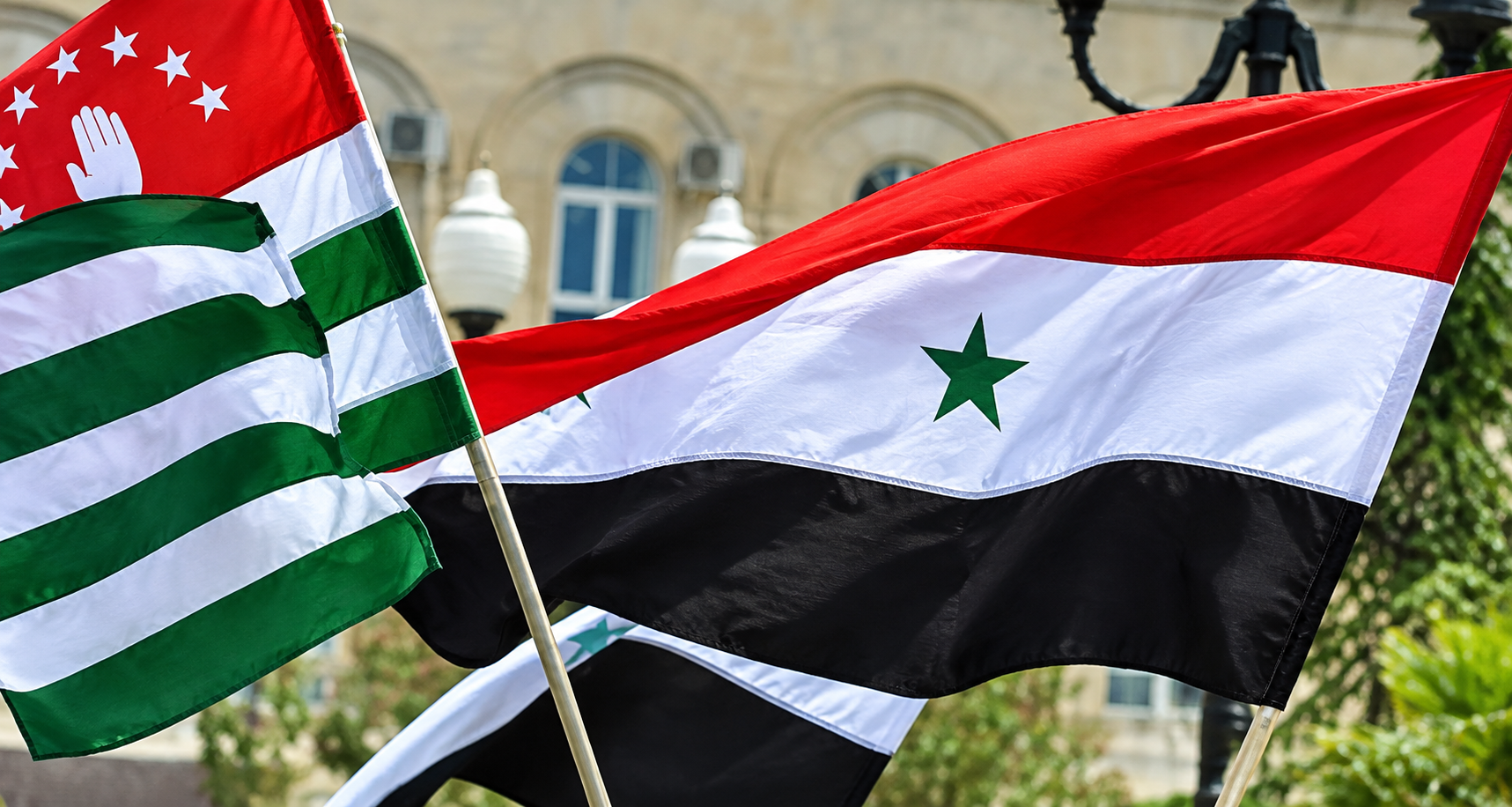
For over thirty years, territorial conflicts have remained the primary challenge for the Georgian state. These disputes have existed in multiple dimensions since their inception, each exerting its own influence on the broader political process.
Over these three decades, the Georgian-Abkhaz, Georgian-Russian, and international layers of these conflicts have shifted periodically rather than remaining static; however, the transformations in international relations following the war in Ukraine are unprecedented in scale.
These changes are not confined to a single region but are truly global. The war in Ukraine is merely one manifestation of these shifts. The world order, which rested on state sovereignty and the inviolability of borders, has been in crisis for at least two decades. The economic rise of China and the ambitions of regional powers—including India, Pakistan, Brazil, and Russia—have established independent centers of gravity and poles in international politics, ultimately shaping this volatile environment.
Ambitious international actors are now projecting diverse political ideologies and economic interests. The hegemony of democratic systems on the world stage is gradually waning, and we see authoritarian regimes emerging as competitive powers. At first glance, this is nothing entirely new—the international system has always been subject to change—and we are simply observing the end of a world order that lasted only a brief historical moment.
For many, it remains unclear what kind of changes are truly unfolding before us and where the general process is heading. It is not yet evident which state or political system, carrying which ideology, will manage to secure global or regional dominance.
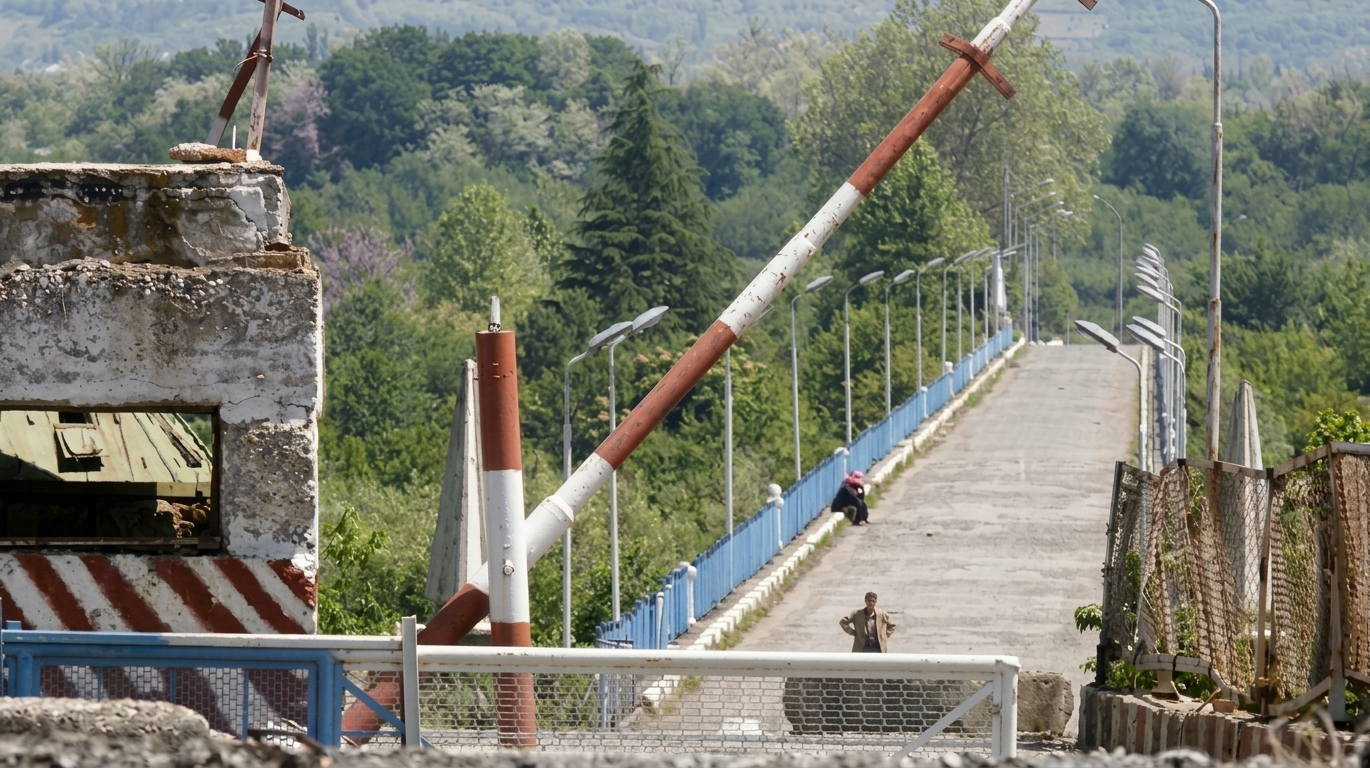
How the Georgian-Abkhaz conflict will exist in this “new world” and what place it will occupy in the new global order are likely the primary questions occupying minds on both sides of the Enguri River.
To discuss these questions and find answers, it is necessary to consider the international actors who exert direct or indirect influence on these conflicts, their historical attitudes toward Georgia’s territorial issues, and the current transformations in their foreign policies. These external players can be categorized into several groups: Caucasus regional powers, the United States, and Europe.
Regarding Georgia’s conflicts, Armenia and Azerbaijan possess the least influence within the Caucasus. The interests and resources of these nations have not changed significantly in this regard, and their policy toward Georgia’s territorial integrity has remained constant over the last thirty years.
This stance persisted even after the revolution in Armenia and the Second Karabakh War. However, there are two major states in the region that not only possessed and still possess the power to influence these conflicts but also have a direct interest in being involved in these processes: Turkey and Russia. To understand their foreign policy and envision future processes, it is necessary to separately review the primary internal and external challenges Moscow and the Kremlin have dealt with over the past three decades.
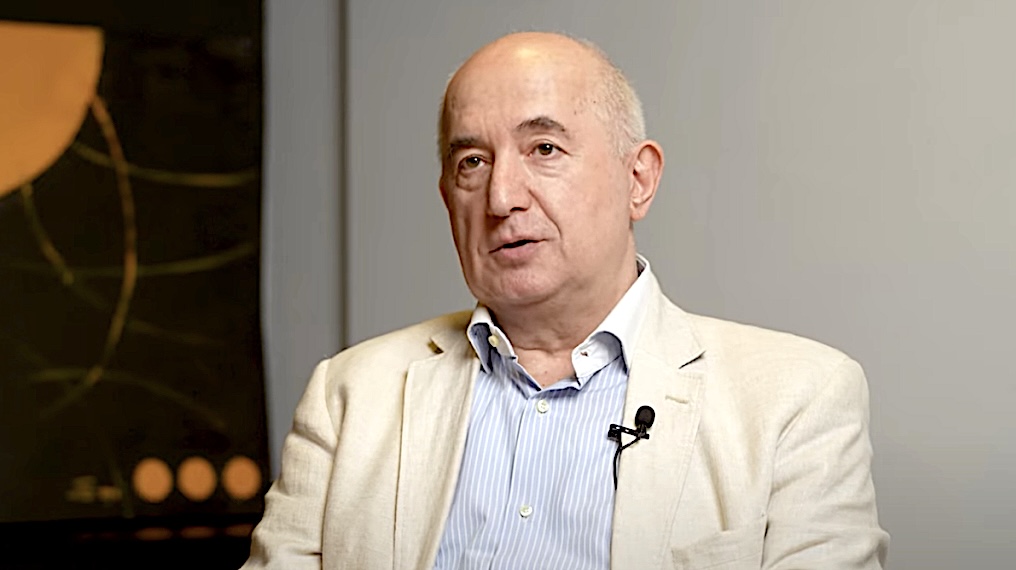
Turkey is traditionally a state that supports Georgia’s territorial integrity; however, behind its firm position, one must not overlook the significant changes the country has undergone over the last thirty years. Historian David Bragvadze notes that at the end of the 20th century, Turkey chose a course of modernization, economic growth, and development as a regional state.
This was accompanied by traditional Kemalist approaches toward greater secularization. However, in the process of becoming a regional power, the country’s relations with almost all its neighbors became strained. Due to a heavy infusion of Islam into political life and democratic backsliding, it significantly retreated from its path toward EU integration. Turkey remains a loyal supporter of Georgia’s territorial integrity, and there have never been questions in this direction.
While representatives of the Abkhazian separatist authorities periodically visit Turkey to meet with municipal leaders or low-ranking officials, such activities are linked to the influence of the powerful Abkhazian diaspora present in Turkey since the 19th century. Regarding the country’s political agenda, this issue has never been publicly raised at a high level. Bragvadze believes that no extraordinary changes are expected in Turkey’s attitude toward Georgia’s conflicts; he predicts Turkey will continue to support Georgia’s territorial integrity while maintaining certain activities regarding Abkhazia.
The Russian influence and role in the Abkhazian conflict are clear to many. However, this analysis focuses on the systemic transformation Russia has undergone in recent decades, which may largely dictate its foreign policy behavior and strategy. One of Russia’s main strategic challenges after the collapse of the Soviet Union was maintaining its weight and influence on the world stage, which was unsuccessful as a clearly unipolar world formed in the 1990s.
Today, there is much talk that this period has ended, yet no one—including the United States—considers Russia a second pole, viewing China as their only real potential competitor. David Bragvadze emphasizes that a major democratic retreat occurred within Russia: the vertical of power was strengthened, and media, civil society, and political activity were restricted.
The military aggression launched against Ukraine in 2022 changed the world’s attitude toward the Putin regime. Today, Russian revisionism is no longer perceived as harmless rhetoric, particularly in Europe. Stuck in the Ukrainian war and stifled by sanctions, Russia is trying to save face and ensure internal political and economic stability. Against the backdrop of these processes, Bragvadze sees no expectation of positive changes in Russia’s policy toward Georgia’s occupied territories.
In the context of the Ukraine war, various “integrative” directions may strengthen, ultimately serving the full assimilation of these two regions into the Russian Federation. This process negatively impacts the local population, and it is not ruled out that Russia may increase the scale of Abkhazian and Ossetian involvement in the Ukraine war if necessary.
Despite the silence of the Georgian government, Russia does not intend to concede anything. Russia’s position has always been contrary to Georgia’s interests, despite periods where it attempted to play the role of a neutral peacemaker. Since the 2008 war and the recognition of these territories as independent states, the Kremlin has shown no readiness even at a verbal level to withdraw this decision; conversely, it emphasizes that this decision is not subject to review and that Georgia must adapt to the “new reality.” Bragvadze notes that this situation was not changed by the Georgian government’s recent anti-Western rhetoric.
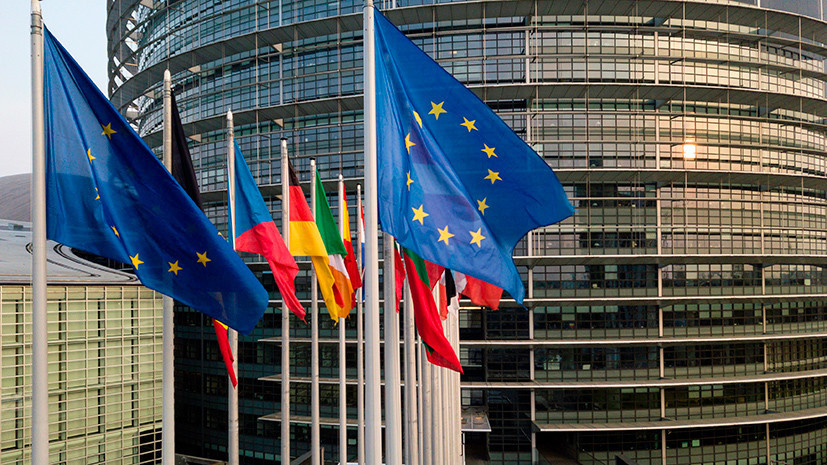
The war that began in Ukraine in 2022 turned Europe into the epicenter of total war for the first time since World War II. The European Union, which for years carried the ideas of economic relations and democratic peace, was forced to respond to the threat of war at both the collective and individual state levels.
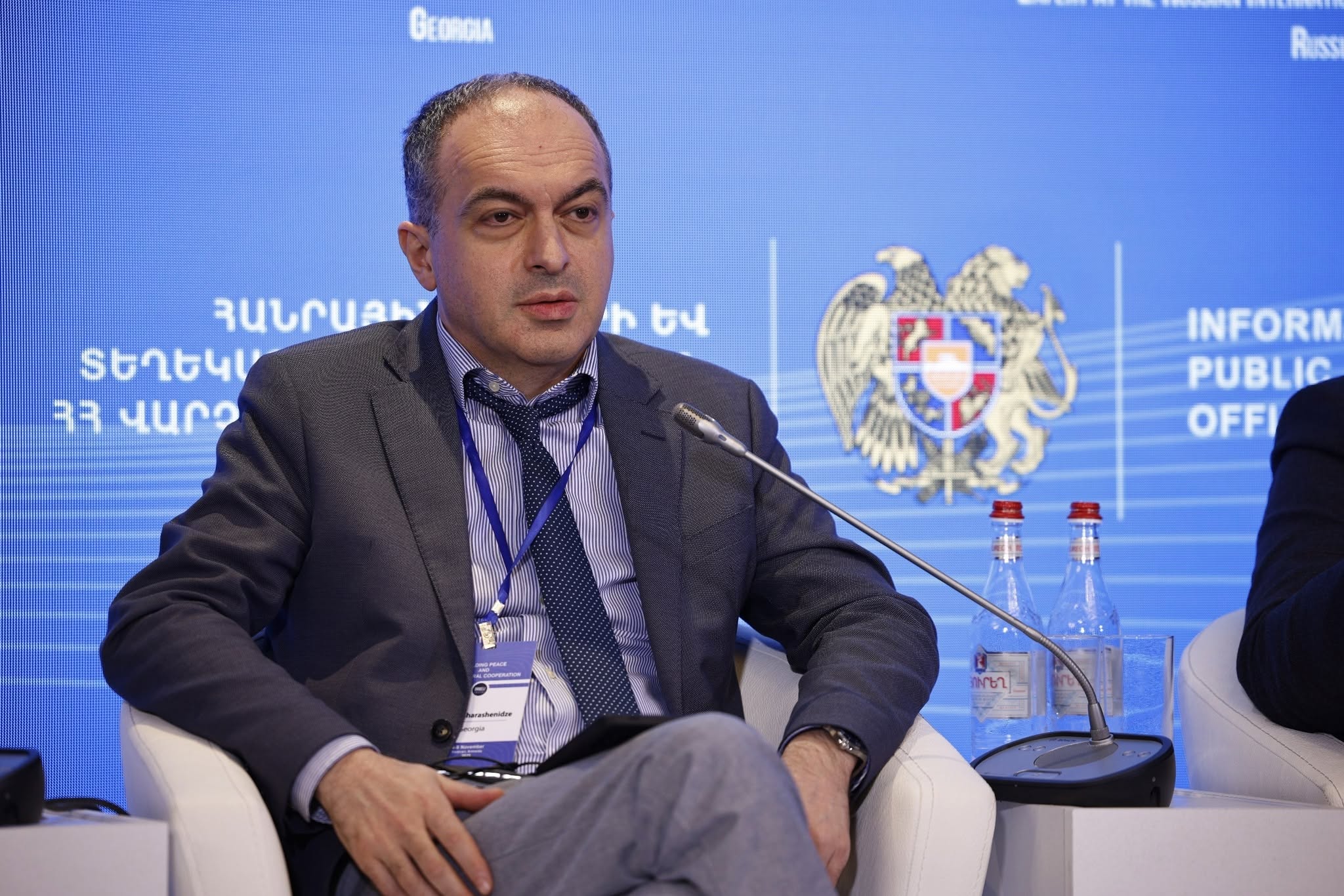
Naturally, the war in Ukraine has had a massive impact on European foreign policy, and it is not yet clear what kind of changes to expect, especially regarding Georgia’s conflicts. Thornike Zurabashvili, PhD of political science, notes that when discussing EU foreign policy in recent decades, two main processes are vital: eastward expansion and internal institutional integration.
The European community met the collapse of the Soviet Union with 12 member states; today, the EU counts 27. Expansion proved to be a difficult political, economic, and administrative issue, particularly during the 2004 and 2007 waves when 12 countries joined simultaneously.
This necessitated fundamental changes to the organizational structure. Parallel to this, for the last 35 years, there has been a consistent delegation of member state powers to EU structures. Despite the growing role of the EU, foreign policy remains dependent on consensus among member states. Regarding Georgia, EU interest emerged after 2004 as the shifting of borders eastward necessitated a more active policy toward post-Soviet countries.
Soon after the August War, the EU developed a new policy toward the occupied territories called “Engagement without Recognition.” Under this policy, EU institutions would maintain contact with the population living in occupied territories for humanitarian and economic cooperation without recognizing their independence.
Dr. Zurabashvili believes the end of the Ukraine war will have a decisive impact on EU foreign policy. Additionally, the relationship between Washington and Brussels is crucial, as the future of the rules-based international order depends on it. At the same time, a painful process of re-evaluating the EU’s own identity is underway internally.
While there is a need for deeper integration to handle problems effectively, there is also a dynamic of strengthening anti-European forces in many countries. Consequently, there are so many variables that reliable forecasting is impossible.
However, Dr. Zurabashvili observes that EU interest in Georgia has currently diminished. Against the backdrop of undemocratic steps taken by Tbilisi and a warming of policy toward Russia, Brussels is in the process of re-evaluating its approach. While Georgia formally remains a candidate country, keeping it on the “radar,” it is unlikely Brussels will initiate or support any new initiatives regarding the conflicts in the short term.
The United States has exerted the most influence on world politics in recent decades, and the future of Georgia’s conflicts will largely be determined by Washington’s foreign policy—whether through action or inaction. The U.S. has not been immune to changes over the last thirty years, evolving from the unipolar hegemon of the 90s into a power heavily involved in Middle Eastern conflicts.
To maintain global dominance, Washington often did not assign global significance to local conflicts, as seen after the 2008 war or the 2014 annexation of Crimea. However, after the 2022 full-scale invasion of Ukraine, the U.S. could not ignore the challenge, leading the West in providing active support to Ukraine. Nevertheless, the clearest shifts in American foreign policy are observed following the political changes in Washington.
Criticism of NATO and EU members, the open declaration of the Western Hemisphere as an American sphere of influence, and the designation of China as the primary competitor are signs for many that the world is changing based on how America behaves.
U.S. interest in Georgia was expressed through support for Tbilisi since independence. Although the U.S. entered the Caucasus region gradually, its role grew immensely in the early 2000s. Regarding the conflicts, the U.S. has shared Georgia’s interests and maintains that position today, even though it has not been a prominent party actively involved in negotiations or conflict resolution.
It is noteworthy that as the U.S. began exiting the Middle East a decade ago and shifted focus to Ukraine in 2022, even the Ukrainian problem has seemingly become secondary to the main target: competition with China. Unilateral steps and the open use of military force, appealing more to national interests than international law, suggest the Caucasus may become a zone of political and economic competition rather than ideological struggle.
In such conditions, Georgia’s value lies in its transit function, but territorial problems could become an obstacle that leads the U.S. to avoid confrontation with Russia. The main threat Georgia may face is a revival of “spheres of influence” and the “handover” of conflict issues to Russia, giving the Kremlin a free hand. Furthermore, after the wars of 2008 and 2020, regional conflicts have either been resolved by force or preserved.
Escalation currently serves the interests of neither Tbilisi nor Moscow, creating an atmosphere of uncertain peace. As U.S. isolationism grows, Georgia’s conflicts are becoming more a matter of fading attention than a problem expected to be actively resolved.
As the review of ongoing global shifts demonstrates, making any serious or reliable forecast is currently a daunting task. We may well be in the earliest stages of a transformation where not only the final outcome is unknown, but the very direction of future processes remains obscured.
At this juncture, while traditional problems persist, we must also focus on emerging risks. Central to these is the war between Russia and Ukraine; its conclusion will ultimately define the place of the Caucasus and Georgia’s specific conflicts within the global political landscape.
The end of this war will also largely dictate Russia’s future foreign policy. Depending on the success or failure of its campaign, the Caucasus could once again become a primary arena for confrontation, signaling that the conflicts in Abkhazia and the Tskhinvali region will regain their former strategic urgency.
For Georgia, it is vital to look beyond Russian objectives and critically analyze the evolving perspectives of the West—specifically Europe and the United States. In Europe’s case, the primary challenge remains the internal European crisis and a subsequent shift in focus toward domestic stability.
Should this trend continue, the Caucasus and Georgia risk remaining a periphery where Europe is either unwilling or unable to invest significant time and resources. Meanwhile, a drift toward American isolationism and the revival of “spheres of influence” carries the risk that the Caucasus, or Georgia specifically, could be relegated to a Russian sphere or left in a neutral “gray zone.” In such a scenario, the interests of major global players would likely prioritize maintaining the existing status quo rather than achieving fundamental breakthroughs, such as the resolution of Georgia’s territorial integrity.
Georgia’s unresolved conflicts | View from Tbilisi