Aslan Bzhania scolds the West
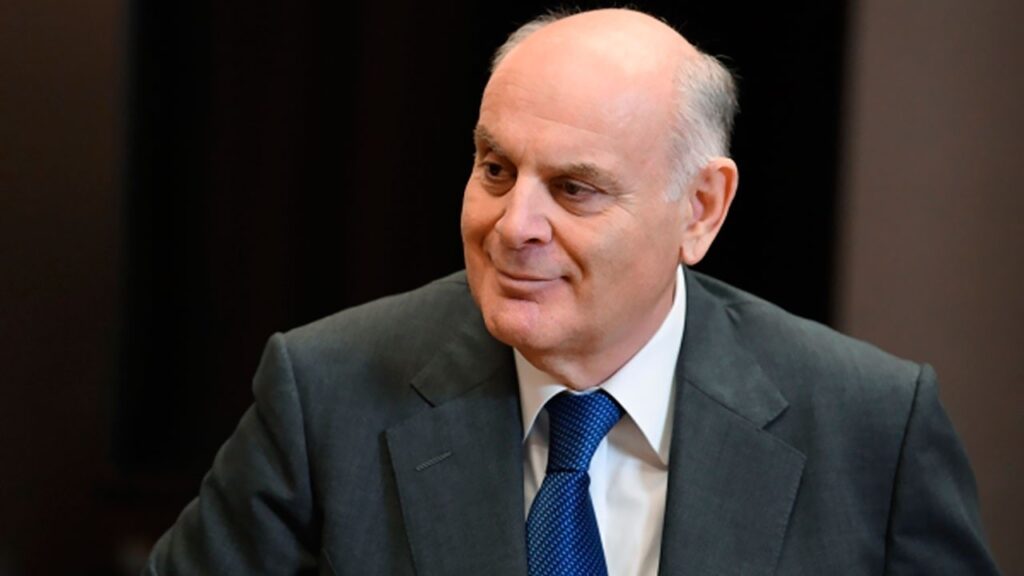
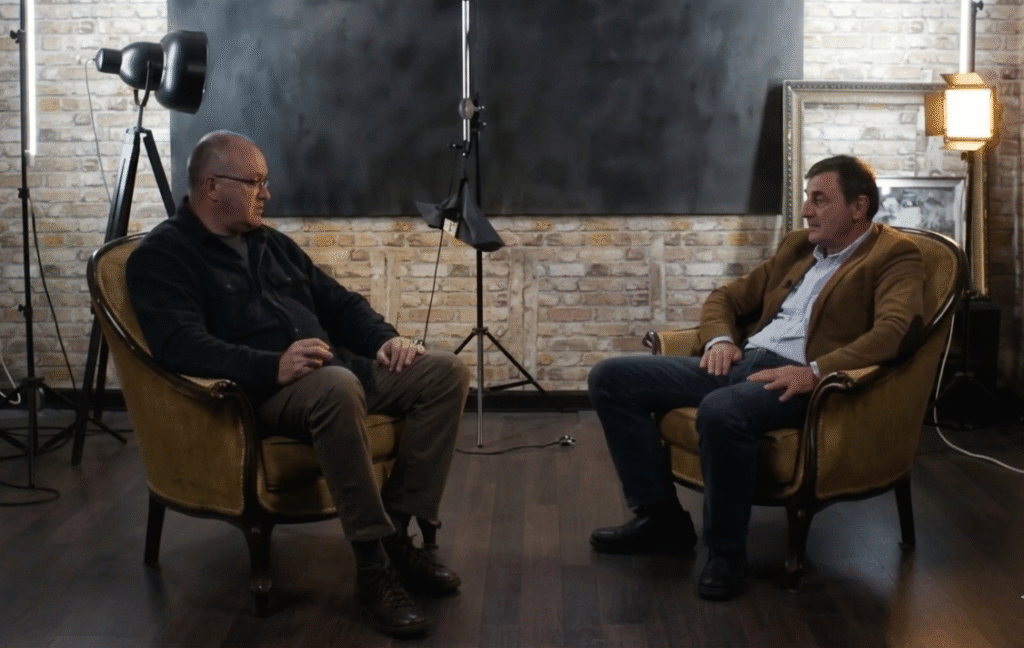
The recent visit of Abkhazian President Aslan Bzhania to the parliament of the republic, during which he criticized the collective West, many observers called “duty”. And they are partly right. Indeed, Bzhania periodically meets with deputies and not “for the sake of ticking boxes”.
Bzhania is in urgent need of realization of three projects that are fundamentally important to him:
- transfer of the Pitsunda estate to Russia;
- denationalization of the energy sector and admission of Russian investors;
- mass construction of apartments along the entire coastal zone, the main buyers of which would be Russians.
Aslan Bzhania has been trying to implement these projects almost since he came to power in 2020. However, every time he is faced with a “wall” of parliamentary misunderstanding. Deputies do not want to meet the President and support his initiatives.
So, Bzhania once again came to the parliament with the sole purpose – to persuade the deputies to vote in favor of the projects he’d been lobbying for. But this time he used not only his usual argument – that “we have a lot of problems, and we cannot solve them on our own with our own resources without the support of Moscow”, but also a new, geopolitical, one. And this is what made the visit of the president to the parliament not quite ordinary.
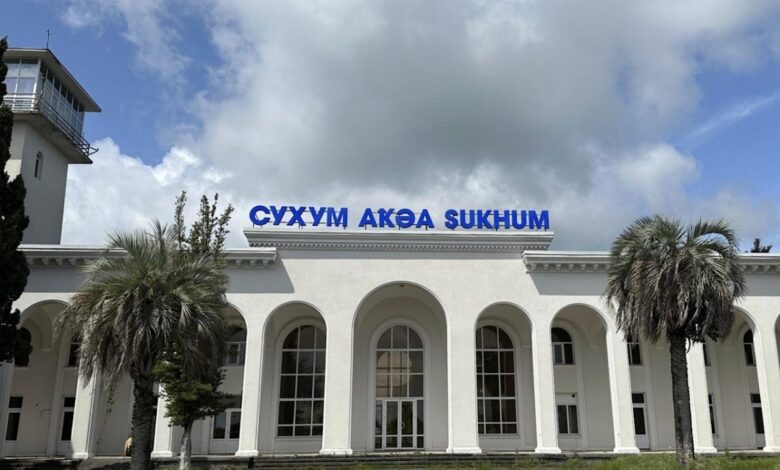
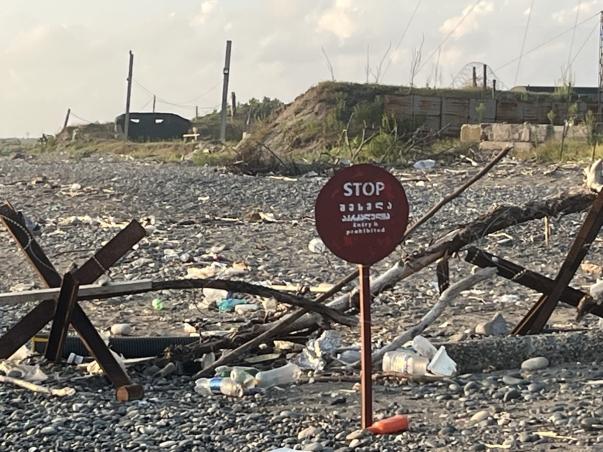
Bzhania declared: “Abkhazia is one of the pain points of the current global confrontation. The West, represented by the US and European countries, is doing everything possible to keep us out. They do not want to see our right to be ourselves, they do not want to see our passports, they do not want to see Abkhazia as part of the world. They want to talk to us through an intermediary in Tbilisi, they want our capital to be in Tbilisi, not Sukhum, and they are systematically working to make this happen.
They need this in order to show the world the insignificance of recognition of our sovereignty by the Russian Federation, as well as to show Georgia and other countries of the region that the key to solving problems lies in their pockets. They are doing everything possible and impossible so that Abkhazia stops to exist.”
Never before, under any president, even in the most difficult times for the republic, has geopolitics been used so emphatically to solve internal problems. But now, apparently, this moment has come. It seems to be the last trump card for Aslan Bzhania. And it is very dubious.
Moreover, if, for example, one listens more carefully to the phrase “the West represented by the U.S. and European countries is doing everything possible to make sure Abkhazia isn’t around any more”, then another associative series with the opposite effect will surely emerge.
If Washington and Brussels have been doing everything possible to bury Abkhazian statehood for 30 years around the clock, as Bzhania claims, and they have failed so far, it means one of two things:
Abkhazia is beyond the teeth of the collective West, and, accordingly, the Abkhazian people, who have withstood such pressure, will cope with any challenges, including those that Bzhania considers “impossible”.
Abkhazia is not the center of the universe for the West to constantly think about it and build intrigues. It is just a beautiful little periphery, with not very developed democratic institutions. That is why elected rulers are in fact bad managers and they are trying to compensate their inefficiency in only one way – blatant propaganda.