







2025 in Abkhazia
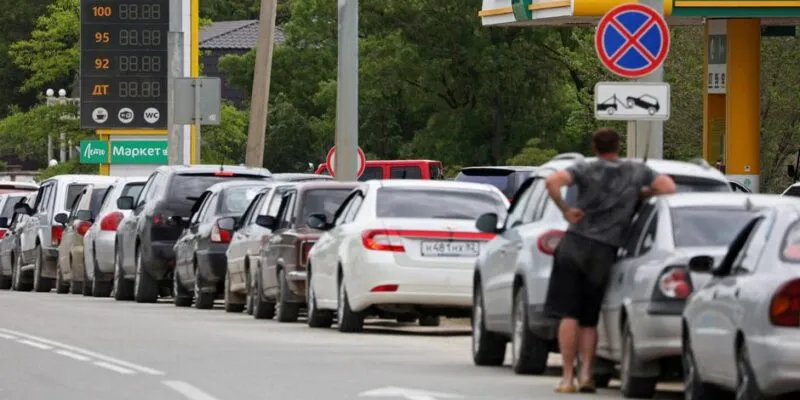
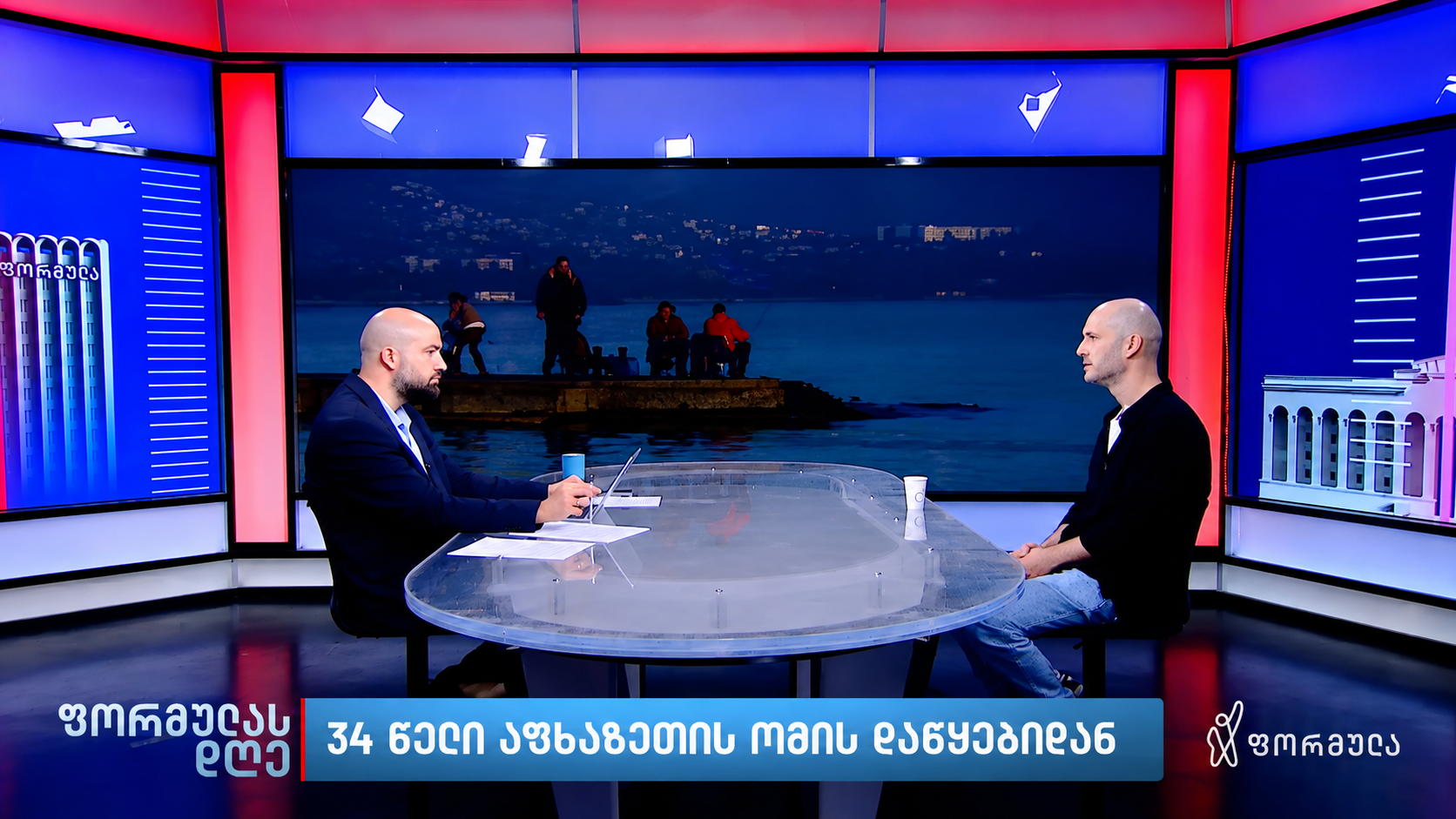
The year 2025 was politically significant in Abkhazia. Below, we present the five most important events that Abkhazian society experienced last year.
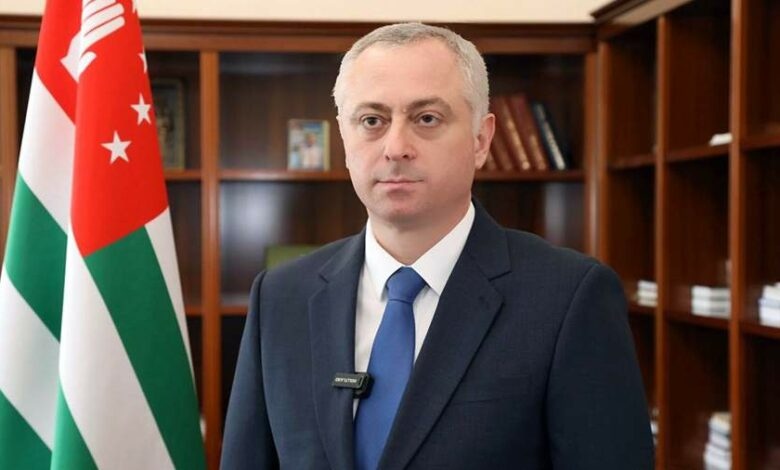
Following the results of the second round held on March 1, 2025, Badra Gunba became the new President of Abkhazia. Voter turnout in the runoff reached a record 70%, representing just over 100,000 people. Gunba secured 55.6% of the vote, while his opponent, opposition leader Adgur Ardzinba, received 42.3%.
Gunba’s campaign was marked by unprecedented support from the Kremlin – Moscow spared neither financial nor administrative resources to ensure his victory. Simultaneously, Russian media actively attempted to discredit Ardzinba, portraying him as an anti-Russian element, “pro-Western,” and a figure under the patronage of Ankara.
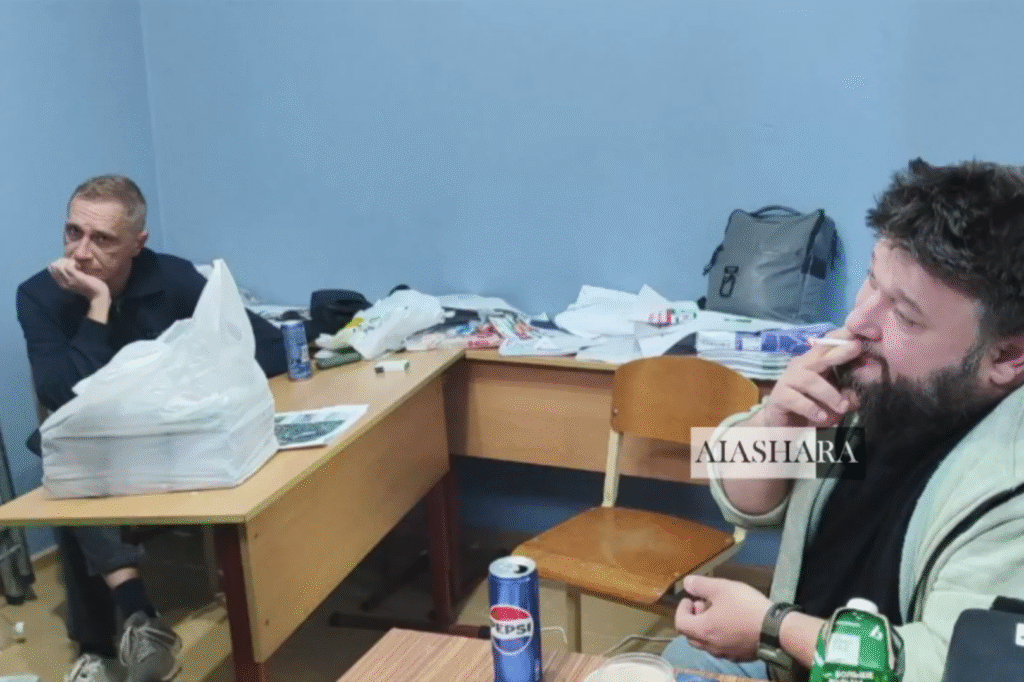
On November 8, 2025, local elections were held in Abkhazia. More than 280 party and independent candidates competed for over 160 local mandates. Candidates supported by the current President succeeded in almost every district except for Gagra and Gudauta.
On the eve of the elections, opposition politicians discovered an office where Russian political technologists were coordinating the campaigns of Gunba-backed candidates. The detained Russian citizens were physically assaulted before being handed over to the State Security Service. Shortly, all three individuals were transferred to Russia by the Abkhaz security services, though no legal proceedings or investigations were initiated against them.
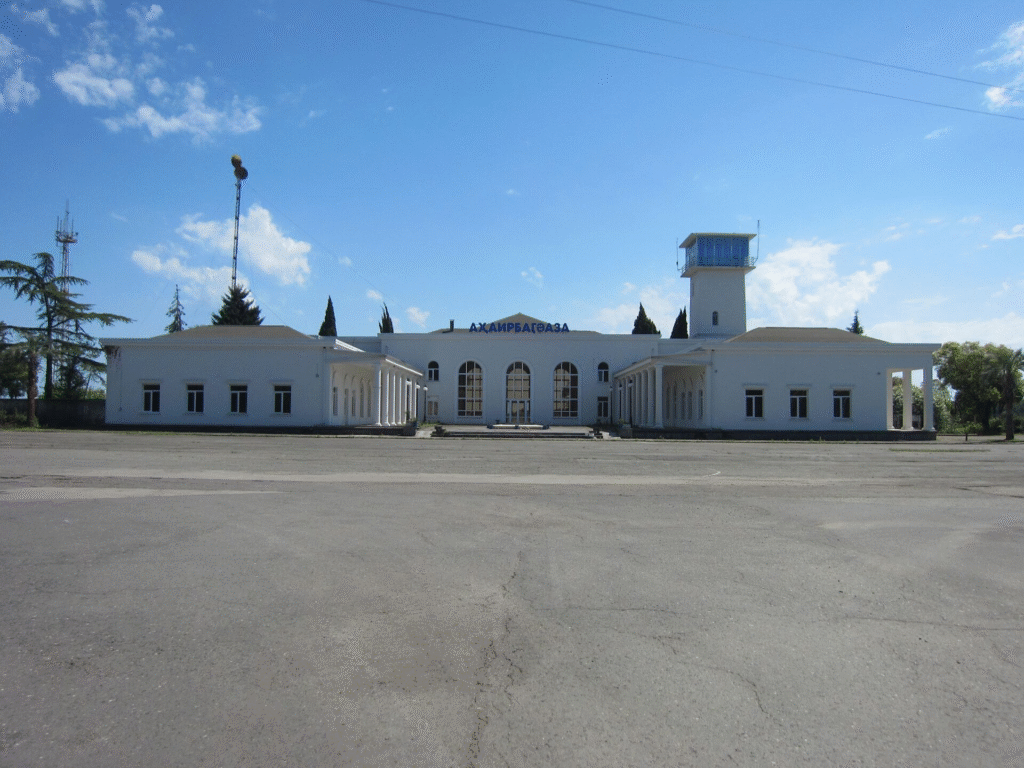
Sukhumi Airport resumed operations in test mode on February 7, 2025. The primary passenger on the first test flight from Moscow to Sukhumi was the then-presidential candidate, Badra Gunba.
“Today, a very important event took place. After more than 30 years, Sukhumi Airport received the aircraft we have waited for so long. I am confident that the geography of air routes with Russia will expand,” Gunba stated during the opening ceremony.
The airport became fully operational on May 1. It had been inactive since the end of the 1992-93 war in Abkhazia. However, in 2023, Russia and Abkhazia signed an agreement on the airport’s reconstruction. Since Abkhazia is not internationally recognized, the airport lacks the necessary international licenses, meaning airlines from other countries cannot operate flights there.
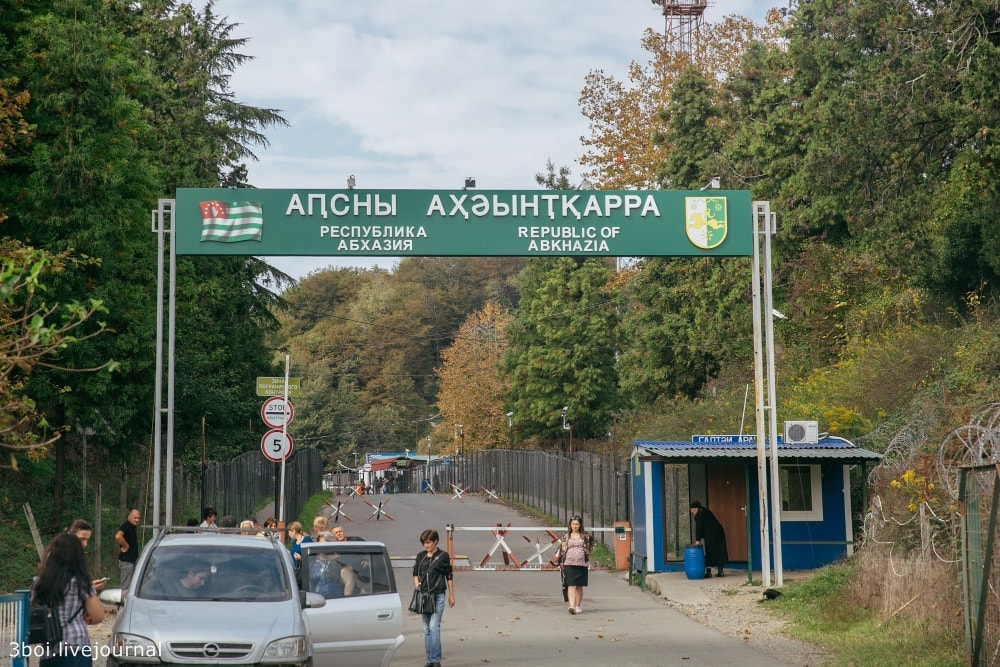
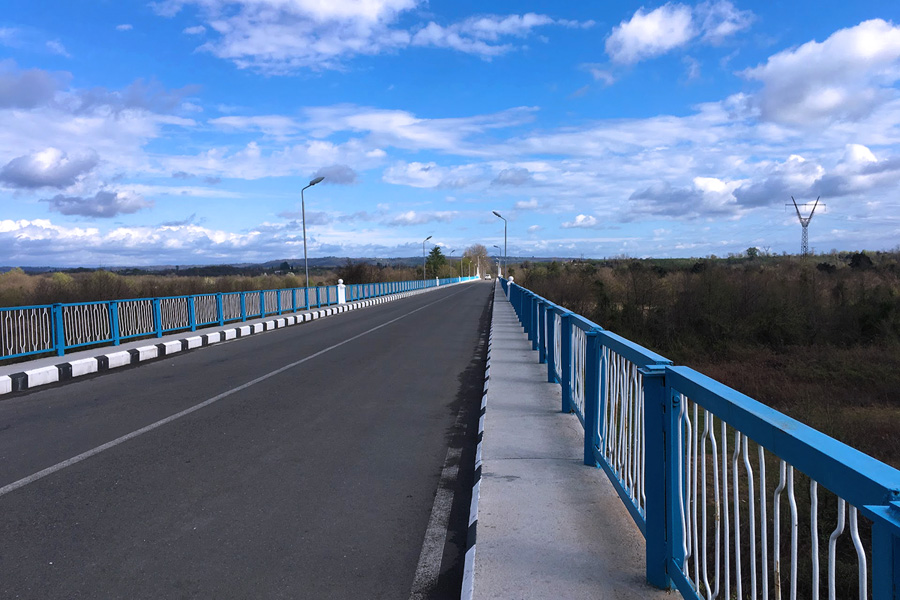
In the first half of December, it became known that the construction of a trade terminal near the Enguri Bridge in Gali is nearing completion and is practically ready for operation. The terminal belongs to a private transit and logistics company.
Notably, at the beginning of 2025, a container terminal connected to the main railway line – capable of storing 1,200 containers – became operational at the Ochamchire port. This followed the reopening of Sukhumi Airport in May of the same year.
Official Tbilisi denies any involvement in these processes. Prime Minister Irakli Kobakhidze dismissed the restoration of transit through Abkhazia as “speculation.” Conversely, Georgian opposition circles argue that moving customs and monitoring infrastructure from Psou to Enguri signifies the legitimation of the occupation line as a state border and an indirect recognition of the separatist regime. They contend that this logistical chain, which also links the Ochamchire port and Sukhumi airport, holds no real economic potential for Georgia and serves only the Kremlin’s political interests.
Criticism also resonates from Sukhumi. Public figures, opposition members, and experts believe that only the Georgian and Russian sides will benefit from this scheme, while Abkhazia will gain neither economic nor political dividends.
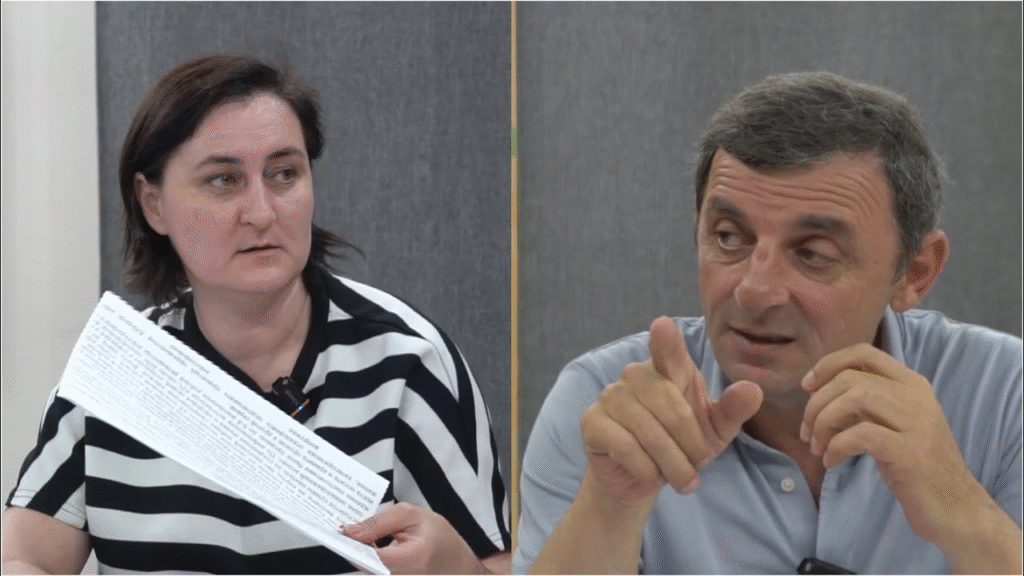
In January 2025, Russia revoked the citizenship of two Abkhaz opposition politicians, Kan Kvarchia and Levan Mikaa. Later, in November 2025, criminal cases were initiated against Kan Kvarchia, Esshou Kakalia, and Khina Dumaa regarding the assault and violence against Russian citizens.
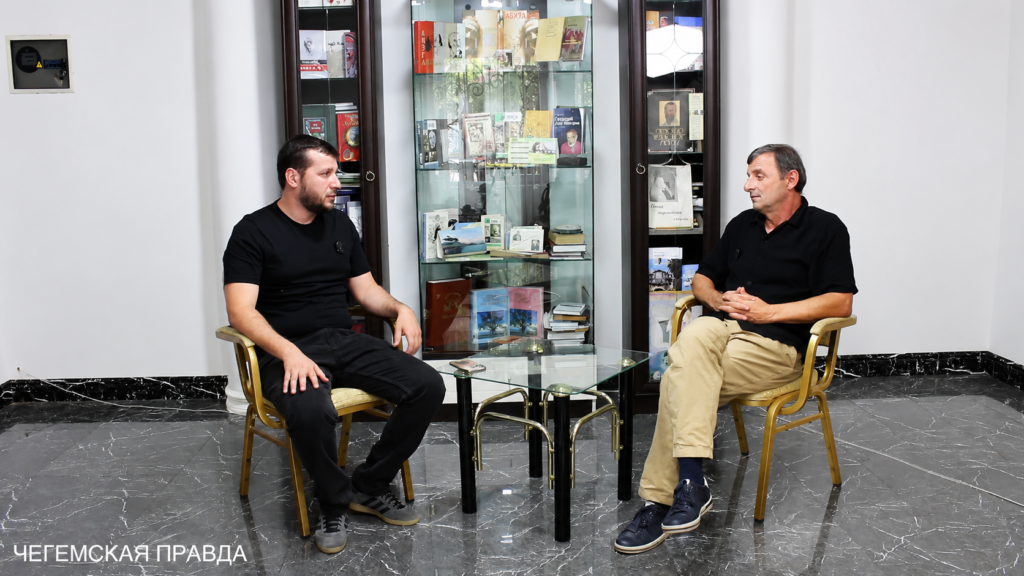
In March 2025, Russia designated three Abkhaz journalists as “foreign agents.” These include Inal Khashig (editor of Chegemskaya Pravda), Izida Chania (editor of Nuzhnaya Gazeta), and journalist Nizfa Ashba (author of the Telegram channel Alashara).
These sanctioned individuals are known for their critical and oppositional stance toward the local de-facto government, leading to speculation that de-facto Abkhaz leaders may have had a hand in these Russian decisions.